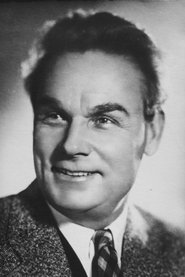
Sergei Stolyarov
Actor
Born: March 24, 1911 in Nizhny Novgorod, Russian Empire Died: August 7, 1969 Active: 1934-1967 Birth Name: Sergei Dmitrievich Stolyarov
Films
9 films

About Sergei Stolyarov
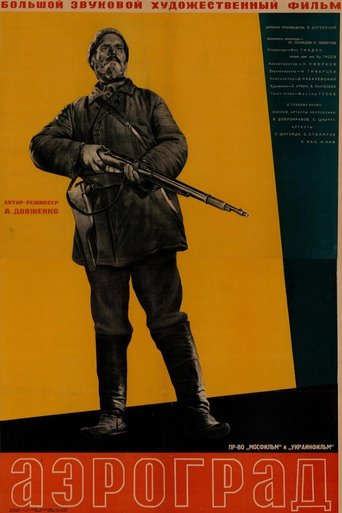
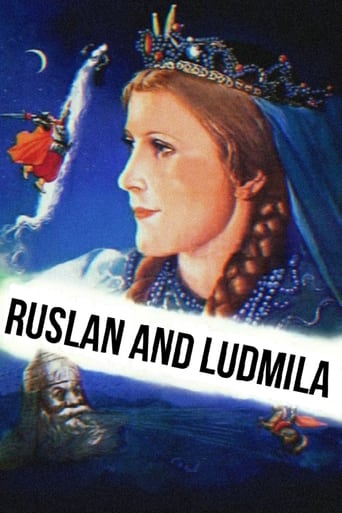
Sergei Dmitrievich Stolyarov was actors of Soviet cinema during the Stalinist era, known for his portrayals of heroic characters that embodied socialist ideals. Born into a working-class family, he discovered his passion for acting while working in a factory and eventually enrolled at the State Institute of Cinematography (VGIK). His breakthrough came in the mid-1930s when he caught the attention of prominent Soviet directors, leading to his starring role in Vsevolod Pudovkin's 'Aerograd' (1935). Stolyarov became the quintessential Soviet hero, often playing pilots, explorers, and revolutionary figures who exemplified the virtues praised by Soviet ideology. His performances in 'Vassilisa the Beautiful' (1939) and 'Ruslan and Ludmila' (1939) showcased his versatility beyond political roles, demonstrating his talent in fantasy and folklore adaptations. During World War II, he actively participated in front-line entertainment units, performing for soldiers and contributing to the war effort through his art. In the post-war years, he continued to be a prominent figure in Soviet cinema, though his career gradually declined as new generations of actors emerged. His legacy remains that of a symbol of Soviet cinematic heroism, representing the idealized Soviet man during politically charged periods in Russian history.
The Craft
On Screen
Stolyarov's acting style was characterized by his powerful physical presence, clear diction, and earnest delivery that perfectly suited the requirements of Socialist Realism. He embodied the ideal Soviet hero with his tall, athletic build and handsome features, creating characters that were both aspirational and relatable to Soviet audiences. His performances were marked by a straightforward, unambiguous approach that emphasized moral clarity and revolutionary zeal, avoiding psychological complexity in favor of clear ideological messaging. Despite these constraints, he managed to bring warmth and humanity to his roles, particularly in fantasy films where his natural charm and heroic stature made him perfect for fairy tale protagonists.
Milestones
- Breakthrough role in 'Aerograd' (1935)
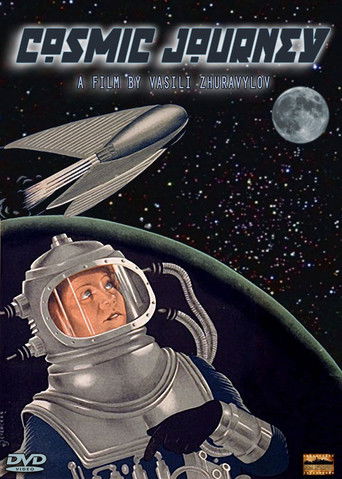
- Starring role in 'Cosmic Journey' (1936) - one of the first Soviet science fiction films
- Iconic performance in 'Vassilisa the Beautiful' (1939)
- Leading role in 'Ruslan and Ludmila' (1939)
- Awarded Stalin Prize for his contributions to Soviet cinema
- Named People's Artist of the RSFSR in 1947
Best Known For
Iconic Roles
Must-See Films
Accolades
Won
- Stalin Prize (1941)
- Order of the Red Banner of Labour (1948)
- Order of the Red Star (1945)
- Medal 'For the Victory over Germany in the Great Patriotic War 1941–1945'
Nominated
- Nominated for Best Actor at the Venice Film Festival for 'Vassilisa the Beautiful' (1939)
Special Recognition
- People's Artist of the RSFSR (1947)
- Honored Artist of the RSFSR (1940)
Working Relationships
Worked Often With
Studios
Why They Matter
Impact on Culture
Sergei Stolyarov became the face of Soviet heroism during the 1930s and 1940s, embodying the physical and moral ideals promoted by Socialist Realism. His performances helped shape the Soviet cinematic language of heroism, influencing how generations of Soviet actors would approach heroic roles. His work in fantasy films like 'Vassilisa the Beautiful' demonstrated how traditional Russian folklore could be adapted to serve contemporary ideological purposes, creating a template for future Soviet fantasy productions. During World War II, his front-line performances helped maintain morale among Soviet troops, making him a cultural hero beyond the silver screen. His image appeared on posters, in magazines, and was used in propaganda materials, making him.
Lasting Legacy
Stolyarov's legacy is complex, representing both the artistic achievements and ideological constraints of Soviet cinema during the Stalin era. He is remembered as. His performances in fantasy films continue to be appreciated for their artistic merit and entertainment value, transcending their political context. Film historians recognize him as a crucial figure in understanding how cinema was used to shape Soviet identity and values. His career serves as a case study in the relationship between art and politics in authoritarian societies, while his best performances remain examples of how artistic excellence can emerge even under restrictive conditions.
Who They Inspired
Stolyarov influenced generations of Soviet actors through his embodiment of the heroic archetype, establishing a model for how to portray idealized characters with both conviction and humanity. His technique of combining physical prowess with emotional accessibility became a standard for Soviet action and adventure films. Directors who worked with him often cited his professionalism and dedication as setting standards for the industry. His success in bridging political requirements with popular appeal influenced how subsequent Soviet productions approached the challenge of creating entertainment that served ideological purposes. Younger actors studying his work learned how to navigate the demands of Socialist Realism while maintaining artistic integrity within the system's constraints.
Off Screen
Stolyarov married actress Valentina Serova in 1936, though their marriage was tumultuous and ended in divorce in 1939. He later married actress Svetlana Kharitonova, with whom he had two children. His personal life was often complicated by his intense dedication to his craft and the political pressures of working in Soviet cinema during Stalin's regime. He was known for his modest lifestyle despite his fame, maintaining connections with his working-class roots throughout his career.
Education
State Institute of Cinematography (VGIK), graduated 1934
Family
- Valentina Serova (1936-1939)
- Svetlana Kharitonova (1940-1969)
Did You Know?
- Was originally a factory worker before discovering acting
- His role in 'Cosmic Journey' made him one of the first science fiction stars in cinema history
- During WWII, he performed over 500 concerts for Soviet troops at the front
- His divorce from Valentina Serova was scandalous in Soviet society at the time
- He was personal friends with Marshal Georgy Zhukov
- Stalin reportedly personally approved his casting in several major films
- He spoke out against the persecution of some artists during the Great Purge, risking his career
- His height (6'2") made him one of the tallest leading men in Soviet cinema
- He performed many of his own stunts, including dangerous horse riding sequences
- After his death, a street in Moscow was named in his honor
- His film 'Aerograd' was banned in the West during the Cold War
- He was considered for the role of Ivan the Terrible in Eisenstein's film but was passed over
In Their Own Words
In every role, I try to find the human being behind the ideological symbol
Cinema is not just entertainment, it is the education of the soul
To play a hero, one must first understand what makes ordinary people extraordinary
The camera never lies, but it also never tells the whole truth
Art must serve the people, but it must never lose its heart
Even in the most fantastic stories, there must be truth
My greatest reward is seeing the faces of children watching my films
Frequently Asked Questions
Who was Sergei Stolyarov?
Sergei Stolyarov was. He became the face of the ideal Soviet man, appearing in classics like 'Aerograd,' 'Vassilisa the Beautiful,' and 'Ruslan and Ludmila.' His active years covered from the mid-1930s until his death in 1969, during which he received numerous state honors and awards.
What films is Sergei Stolyarov best known for?
When was Sergei Stolyarov born and when did he die?
Born March 24, 1911; died August 7, 1969.
What awards did Sergei Stolyarov win?
Stolyarov received the prestigious Stalin Prize in 1941, was named People's Artist of the RSFSR in 1947, and was honored with the Order of the Red Banner of Labour and Order of the Red Star. He also received the Medal 'For the Victory over Germany' for his wartime service. These honors reflected both his artistic achievements and his service to Soviet ideology.
What was Sergei Stolyarov's acting style?
Stolyarov's acting style was characterized by powerful physical presence, clear diction, and earnest delivery that perfectly suited Socialist Realism requirements. He embodied the ideal Soviet hero with his athletic build and handsome features, creating characters that were both aspirational and relatable. Despite ideological constraints, he brought warmth and humanity to his roles, particularly excelling in fantasy films where his natural charm shone through.