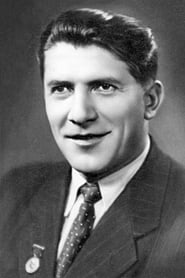
Nikolay Kryuchkov
Actor
Born: January 6, 1910 in Moscow, Russian Empire Died: April 13, 1994 Active: 1933-1988 Birth Name: Nikolay Afanasyevich Kryuchkov
Films
20 films
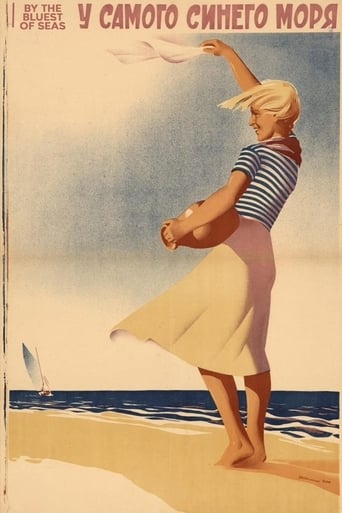
By the Bluest of Seas
1936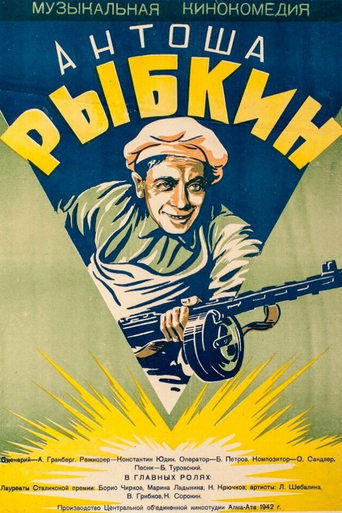
Antosha Rybkin
1942No Poster
Collection of Films for the Armed Forces #6
1941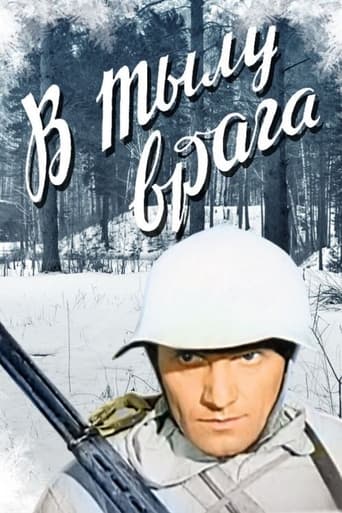
В тылу врага
1941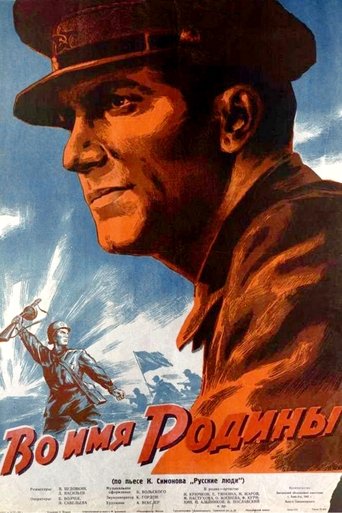
In the Name of the Motherland
1943
Tractor Drivers
1939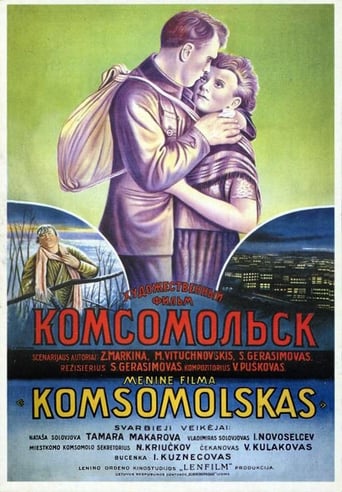
Komsomolsk
1938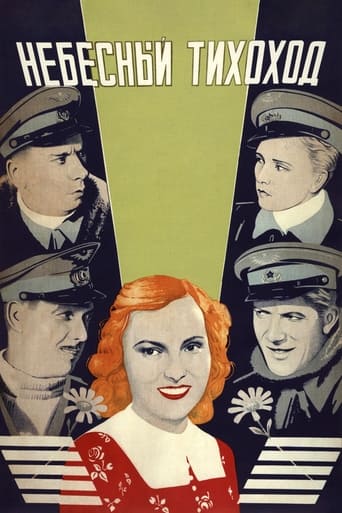
The Sky Slow-Mover
1945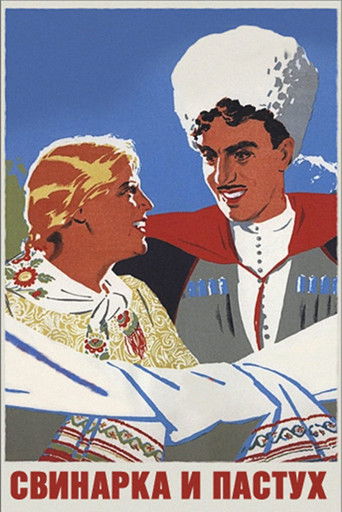
Swineherd and Shepherd
1941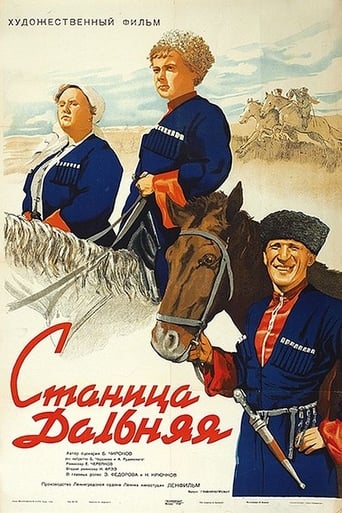
Станица Дальняя
1939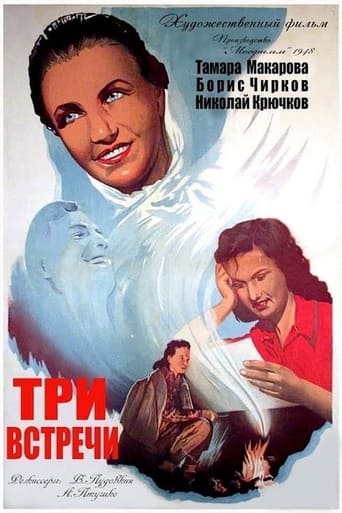
Three Encounters
1948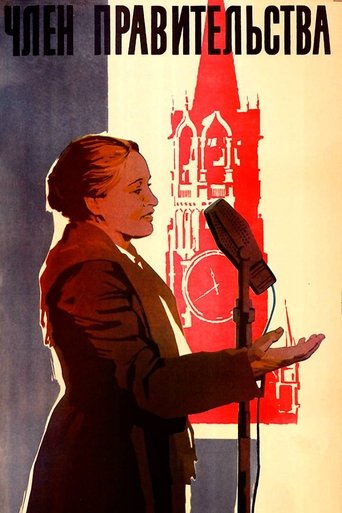
Member of the Government
1939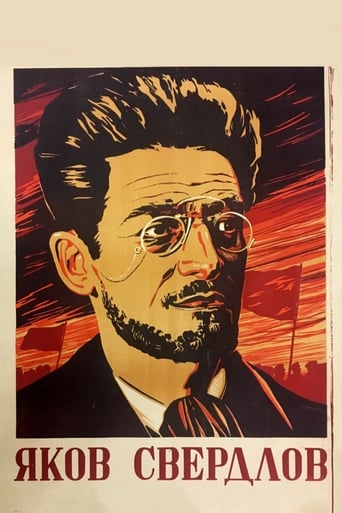
Yakov Sverdlov
1940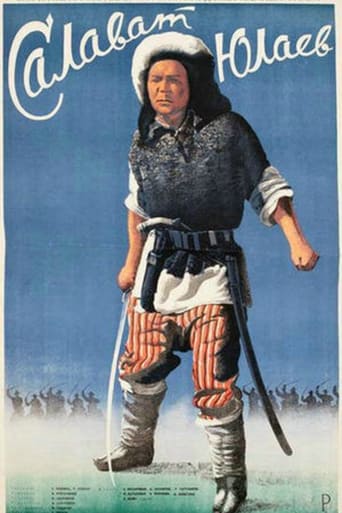
Salavat Yulayev
1941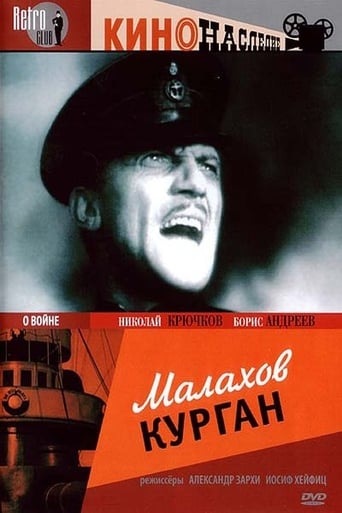
Malakhov Kurgan
1944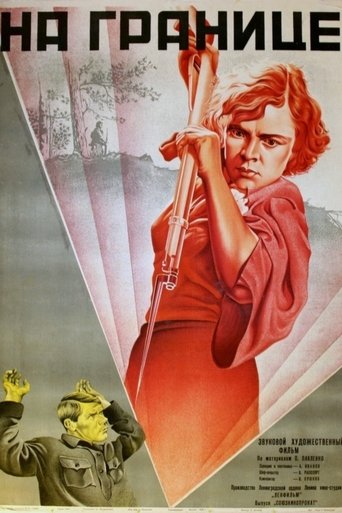
Soviet Border
1938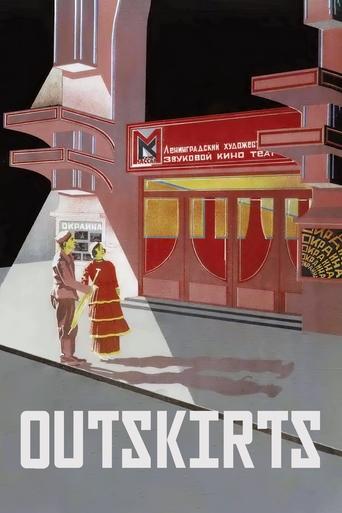
Outskirts
1933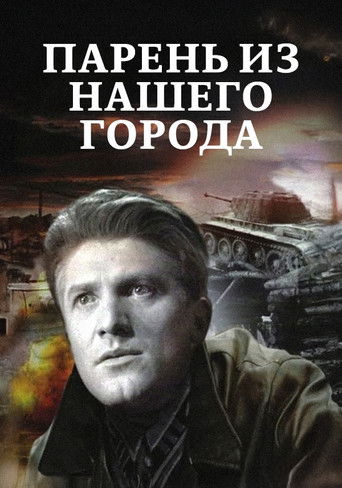
Lad from Our Town
1942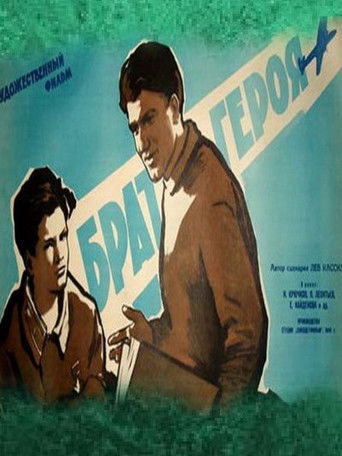
Brother of a Hero
1940About Nikolay Kryuchkov
Nikolay Kryuchkov was beloved and prolific actors of Soviet cinema, active from the early 1930s through the 1960s. He began his film career in 1933 with a small role in Boris Barnet's 'Outskirts,' which would become a Soviet classic. Kryuchkov quickly established himself as the quintessential 'everyman' of Soviet cinema, specializing in portraying honest, hardworking, and charismatic characters that resonated with Soviet audiences. His breakthrough came with starring roles in films like 'By the Bluest of Seas' (1936) and 'Tractor Drivers' (1939), where he perfected his trademark blend of humor, warmth, and authenticity. During World War II, he became popular actors appearing in patriotic films that boosted morale on the home front. After the war, he continued to be a dominant force in Soviet cinema, appearing in dozens of films and becoming one of the few actors to successfully navigate the changing political and artistic landscape of the Stalin and post-Stalin eras. His final decades saw him transition to character roles while maintaining his status as a beloved cultural icon until his death in 1994.
The Craft
On Screen
Kryuchkov was known for his naturalistic, understated acting style that emphasized authenticity and emotional honesty. He specialized in portraying the 'common man' with warmth, humor, and dignity, often using subtle facial expressions and body language rather than theatrical gestures. His performances were characterized by a genuine charm and likability that made audiences immediately connect with his characters, whether he was playing a sailor, farmer, or soldier.
Milestones
- Film debut in 'Outskirts' (1933)
- Breakthrough role in 'By the Bluest of Seas' (1936)
- Starring role in 'Tractor Drivers' (1939)
- Awarded Stalin Prize (1941)
- Named People's Artist of the USSR (1965)
- Appeared in over 100 films throughout his career
Best Known For
Iconic Roles
Must-See Films
Accolades
Won
- Stalin Prize (1941)
- Order of Lenin (1967)
- Order of the Red Banner of Labour (1970)
- Order of the Patriotic War 2nd class (1985)
- Order of Friendship of Peoples (1980)
Nominated
- Nominated for multiple State Prizes throughout his career
Special Recognition
- People's Artist of the USSR (1965)
- People's Artist of the RSFSR (1950)
- Honored Artist of the RSFSR (1942)
- Vasilyev Brothers State Prize of the RSFSR (1971)
Working Relationships
Worked Often With
Studios
Why They Matter
Impact on Culture
Nikolay Kryuchkov became the embodiment of the ideal Soviet citizen on screen - honest, hardworking, and devoted to the collective good. His characters represented the aspirations and values of ordinary Soviet people, making him. During World War II, his films served as powerful propaganda tools that boosted morale and reinforced national unity. In the post-war years, his continued popularity demonstrated his ability to adapt to changing political climates while maintaining his connection with audiences. Kryuchkov's influence extended beyond cinema into Soviet popular culture, where his image was used in posters, stamps, and other media as a symbol of Soviet virtue and authenticity.
Lasting Legacy
Nikolay Kryuchkov's legacy as one of Soviet cinema's most beloved actors endures through his extensive filmography and the lasting impact he had on Russian acting traditions. He pioneered a naturalistic style that moved away from the theatrical acting common in early Soviet films, influencing generations of Russian actors. His films continue to be studied in film schools and shown in retrospectives as examples of classic Soviet cinema. The 'Kryuchkov type' - the honest, charming everyman - became an archetype in Russian cinema that continues to influence casting and character development. His name remains synonymous with the golden age of Soviet cinema, and he is remembered not just as an actor, but as a cultural icon who helped shape the Soviet national identity through film.
Who They Inspired
Kryuchkov's naturalistic acting style influenced the development of Soviet and Russian cinema, moving it toward greater realism and emotional authenticity. His approach to character portrayal - emphasizing the dignity and complexity of ordinary people - became a model for subsequent generations of Soviet actors. Directors like Andrei Tarkovsky and Nikita Mikhalkov cited the performances of actors like Kryuchkov as foundational to their understanding of cinematic acting. His success in balancing commercial appeal with artistic integrity provided a template for actors working within state-sponsored film industries.
Off Screen
Nikolay Kryuchkov was married three times and had two children. His first marriage was to actress Nonna Mordyukova, though this union was brief. He later married actress Alla Larionova, with whom he had a daughter, Ekaterina. His third marriage was to Valentina Kryuchkova. Despite his fame, Kryuchkov was known for his modest lifestyle and remained connected to ordinary Soviet citizens throughout his life.
Education
Graduated from the State Institute of Cinematography (VGIK) in 1935, where he studied under renowned acting teachers of the Soviet era.
Family
- Nonna Mordyukova (1950s)
- Alla Larionova (1955-1970)
- Valentina Kryuchkova (1970-1994)
Did You Know?
- Was originally a construction worker before being discovered for films
- Served in the Red Army during World War II while continuing to act in films
- Was one of the highest-paid actors in the Soviet Union during his peak years
- His likeness appeared on Soviet postage stamps in 1975
- Spoke several languages including English and German, which helped him in international film festivals
- Was a close friend of Soviet leader Nikita Khrushchev, which occasionally protected him from political purges
- Continued acting well into his 70s, appearing in films until 1988
- Was offered roles in Hollywood but declined to remain in the Soviet Union
- His film 'Tractor Drivers' was one of the first Soviet films to achieve international success
- Received fan mail from millions of Soviet citizens throughout his career
In Their Own Words
Acting is not about pretending to be someone else, but about finding the truth within yourself and sharing it with others.
The camera doesn't lie - it shows who you really are, so you must be honest in every performance.
I never played heroes - I played ordinary people who became heroes through their actions.
Cinema is the most powerful art form because it can make millions of people feel the same emotion at the same time.
Frequently Asked Questions
Who was Nikolay Kryuchkov?
Nikolay Kryuchkov was. He became the face of Soviet cinema's golden age, specializing in honest, charismatic characters that resonated with millions of viewers.
What films is Nikolay Kryuchkov best known for?
Titles linked here include By the Bluest of Seas (1936), Tractor Drivers (1939).
When was Nikolay Kryuchkov born and when did he die?
Born January 6, 1910; died April 13, 1994.
What awards did Nikolay Kryuchkov win?
Kryuchkov received numerous prestigious awards including the Stalin Prize in 1941, was named People's Artist of the USSR in 1965, and received multiple Orders including the Order of Lenin and Order of the Red Banner of Labour. These honors recognized his contributions to Soviet cinema and culture.
What was Nikolay Kryuchkov's acting style?
Kryuchkov was known for his naturalistic, understated acting style that emphasized authenticity and emotional honesty. He specialized in portraying ordinary people with warmth and dignity, using subtle expressions rather than theatrical gestures, which made his characters relatable and beloved by Soviet audiences.
How did Nikolay Kryuchkov influence Soviet cinema?
Kryuchkov pioneered a naturalistic acting style that moved Soviet cinema away from theatrical performances toward greater realism. His portrayal of the 'everyman' became an archetype in Russian cinema, influencing generations of actors and helping establish the emotional authenticity that characterized the best of Soviet film.
Was Nikolay Kryuchkov married?
Yes, Kryuchkov was married three times - first to actress Nonna Mordyukova, then to actress Alla Larionova with whom he had a daughter Ekaterina, and finally to Valentina Kryuchkova, who remained his wife until his death in 1994.