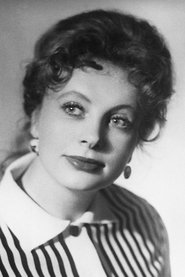
Alla Larionova
Actor
Born: May 19, 1931 in Moscow, Russian Soviet Federative Socialist Republic, USSR Died: April 25, 2000 Active: 1953-1990s Birth Name: Alla Nikolaevna Larionova
Films
1 film
About Alla Larionova
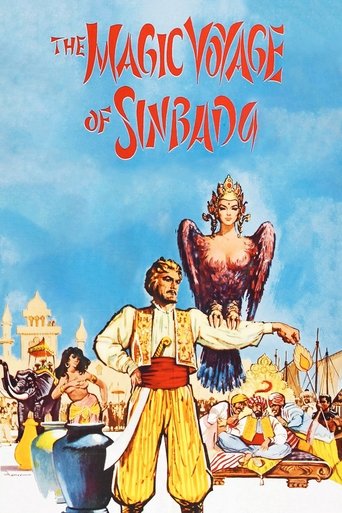
Alla Nikolaevna Larionova was actresses of Soviet cinema during the 1950s and 1960s, known for her striking beauty and versatile performances. Born into a theatrical family in Moscow, she developed an early passion for performing arts and graduated from the prestigious Moscow Art Theatre School in 1953. Her career launched immediately with her debut in Aleksandr Ptushko's epic fantasy 'Sadko' (released internationally as 'The Magic Voyage of Sinbad'), where she played the role of Princess Ilmeny. Throughout the 1950s, she became a household name across the Soviet Union, starring in numerous popular films that showcased her ability to portray both dramatic and comedic roles with equal skill. Her performance in 'The Rumyantsev Case' (1956) established her as a serious dramatic actress, while 'The Girl with a Guitar' (1958) highlighted her musical talents and charm. By the 1960s, she had transitioned into more mature roles, with her performance in 'The Hussar Ballad' (1962) being particularly memorable. Her over four decades, during which she appeared in more than 30 films and became a cultural icon of Soviet cinema. She continued acting into the 1990s, though her most significant contributions were during the golden era of Soviet film.
The Craft
On Screen
Larionova was known for her naturalistic yet expressive acting style, combining classical theatrical training with cinematic authenticity. She possessed a remarkable ability to convey deep emotion through subtle facial expressions and body language, making her particularly effective in both dramatic and romantic roles. Her performances were characterized by a graceful presence and a distinctive voice that could shift from playful to profound within moments. She had a special talent for portraying strong, independent female characters while maintaining an underlying vulnerability that audiences found compelling. Her training at the Moscow Art Theatre School provided her with a solid foundation in Stanislavski's method, which she adapted brilliantly for the screen.
Milestones
- Graduated from Moscow Art Theatre School in 1953
- Starred in international hit 'Sadko' (The Magic Voyage of Sinbad) in debut role
- Became one of Soviet cinema's most popular actresses in the 1950s-1960s
- Received recognition as People's Artist of the RSFSR in 1978
- Married to prominent director Vladimir Basov, creating a cinematic power couple
Best Known For
Iconic Roles
Must-See Films
Accolades
Won
- People's Artist of the RSFSR (1978)
- Honored Artist of the RSFSR (1965)
- Order of the Badge of Honour (1971)
- Vasilyev Brothers State Prize of the RSFSR (1967) for 'The Chairman'
Nominated
- Nominated for various Soviet film awards throughout her career
Special Recognition
- People's Artist of the RSFSR (highest artistic honor in Soviet Russia)
- Honored Artist of the RSFSR
- Featured on Soviet postage stamps commemorating cinema
- Star on the Russian Walk of Fame posthumously
Working Relationships
Worked Often With
Studios
Why They Matter
Impact on Culture
Alla Larionova became a cultural icon in the Soviet Union during the 1950s and 1960s, representing the ideal Soviet woman - beautiful, talented, and dedicated to her art. Her films were seen by millions across the USSR and Eastern Bloc countries, making her. She helped define the aesthetic of Soviet cinema during the Khrushchev Thaw, a period of cultural liberalization that allowed for more nuanced and humanistic portrayals in film. Her international recognition through 'The Magic Voyage of Sinbad' helped bridge Soviet cinema with Western audiences, demonstrating the artistic quality of Soviet filmmaking to the world. Larionova's style and image influenced generations of Soviet actresses who followed, establishing a template for combining artistic integrity with popular appeal.
Lasting Legacy
Alla Larionova's legacy endures through her extensive filmography, which continues to be celebrated in Russian cinema retrospectives and film festivals. She is remembered as one of the defining actresses of the Soviet era, whose work captured the spirit and aspirations of post-war Soviet society. Her films, particularly 'Sadko' and 'The Hussar Ballad,' have become classics of Russian cinema that are regularly shown on television and studied in film schools. The artistic dynasty she created with Vladimir Basov continues through their sons, who have made significant contributions to contemporary Russian film and television. Her performances remain influential in Russian acting pedagogy, with her work often cited as exemplary of the Stanislavski method's application to cinema. Posthumously, she has been the subject of documentaries and retrospectives that celebrate her contribution to Soviet and Russian cultural heritage.
Who They Inspired
Larionova influenced subsequent generations of Russian actresses through her naturalistic acting style and her ability to portray complex female characters with depth and authenticity. Her success demonstrated that actresses could maintain artistic integrity while achieving widespread popularity, a balance that many Russian actresses have since sought to emulate. Her work in historical and fantasy films helped establish conventions for period acting in Soviet cinema that influenced filmmakers for decades. Through her teaching at the Moscow Art Theatre School, she directly influenced young actors, passing on the traditions of Russian theatrical acting adapted for the screen. Her international success paved the way for other Soviet actors to gain recognition abroad, contributing to the global appreciation of Soviet cinema as an art form.
Off Screen
Alla Larionova's personal life was deeply intertwined with Soviet cinema's artistic elite. She married director Vladimir Basov in 1955, creating. Their marriage lasted until Basov's death in 1987 and was considered one of the strongest and most stable relationships in the Soviet film industry. The couple had two sons, Vladimir and Alexander, both of whom followed in their parents' footsteps to become actors and directors. Despite her fame, Larionova maintained a relatively private personal life, rarely giving interviews about her family. She was known for her dedication to her craft and often chose roles that challenged her artistically rather than those that would maximize her celebrity status. After her husband's death, she continued acting but gradually reduced her workload, focusing more on family and mentoring young actors.
Education
Graduated from Moscow Art Theatre School (MKhAT) in 1953, where she studied under prominent Soviet acting instructors and mastered the Stanislavski system of acting.
Family
- Vladimir Basov (1955-1987, until his death)
Did You Know?
- Her debut film 'Sadko' was heavily edited for its American release as 'The Magic Voyage of Sinbad,' with new footage added by Roger Corman
- She was discovered while still a student at the Moscow Art Theatre School
- Her beauty was so renowned that she was often called 'the Soviet Grace Kelly' by Western journalists
- She turned down several Hollywood offers in the 1960s to remain in the Soviet Union
- Her performance in 'The Girl with a Guitar' required her to sing, though she was not a professional singer
- She was a favorite actress of Soviet Premier Nikita Khrushchev
- Despite her fame, she never owned a car and preferred using public transportation in Moscow
- She was fluent in English, which was rare for Soviet actors of her generation
- Her final film appearance was in 1991, shortly before the collapse of the Soviet Union
- A crater on Venus was named 'Larionova' in her honor by Soviet astronomers
In Their Own Words
Acting is not about pretending, it's about finding the truth within yourself and bringing it to the character.
In Soviet cinema, we had a responsibility not just to entertain, but to uplift and inspire our audience.
The camera doesn't lie, so an actor must be completely honest in their performance.
I never sought fame, I only sought good roles that challenged me as an artist.
My husband Vladimir taught me that cinema is not just art, it's a way of touching people's souls.
Frequently Asked Questions
Who was Alla Larionova?
Alla Larionova was. She was a People's Artist of the RSFSR and became a cultural icon representing the ideal Soviet woman through her film performances.
What films is Alla Larionova best known for?
Titles linked here include Sadko (The Magic Voyage of Sinbad) (1953), The Rumyantsev Case (1956).
When was Alla Larionova born and when did she die?
Born May 19, 1931; died April 25, 2000.
What awards did Alla Larionova win?
She received the highest artistic honors in Soviet Russia, including People's Artist of the RSFSR (1978), Honored Artist of the RSFSR (1965), the Order of the Badge of Honour (1971), and the Vasilyev Brothers State Prize of the RSFSR (1967) for her performance in 'The Chairman'.
What was Alla Larionova's acting style?
Larionova was known for her naturalistic yet expressive acting style, combining classical theatrical training with cinematic authenticity. She used the Stanislavski method to convey deep emotion through subtle expressions and body language, excelling in both dramatic and romantic roles with graceful presence and emotional depth.