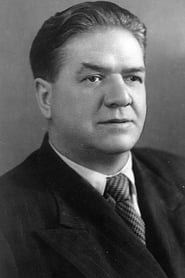
Stepan Kayukov
Actor
Born: August 7, 1898 in Moscow, Russian Empire Died: February 19, 1946 Active: 1935-1946 Birth Name: Stepan Yakovlevich Kayukov
Films
16 films
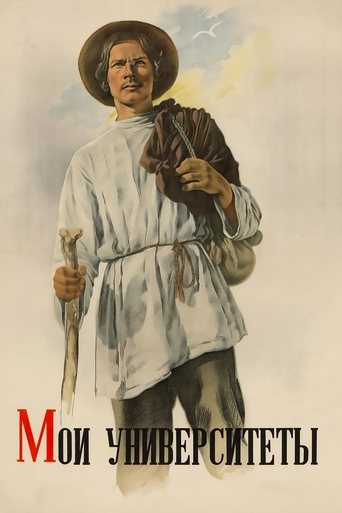
My Universities
1940
The Return of Maxim
1937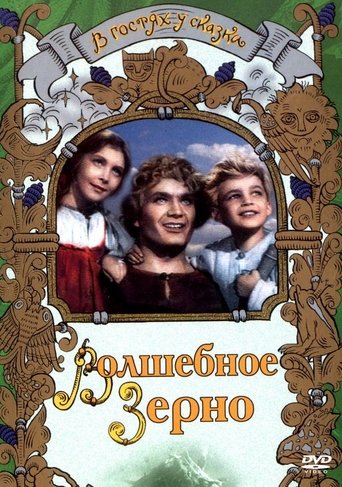
The Magic Seed
1941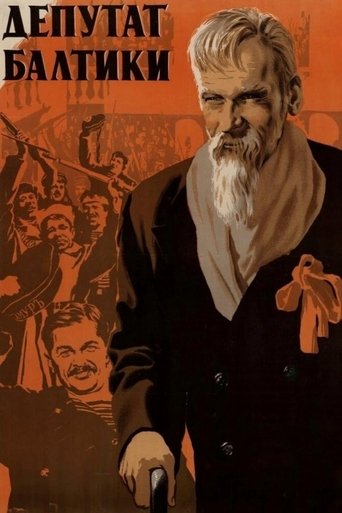
Baltic Deputy
1937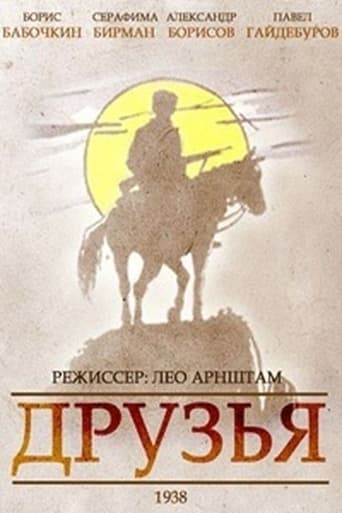
Friends
1938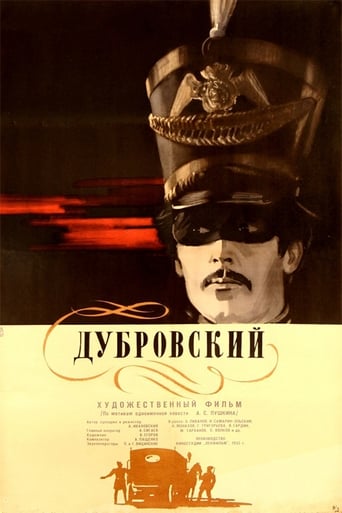
Dubrovskiy
1936
Tractor Drivers
1939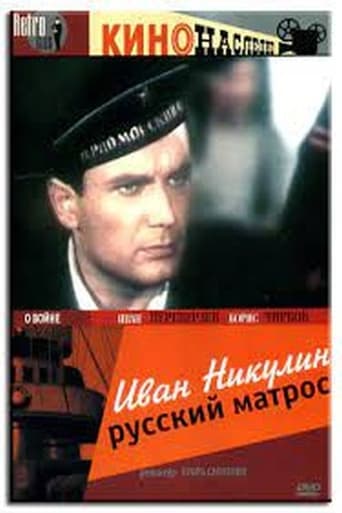
Ivan Nikulin: Russian Sailor
1944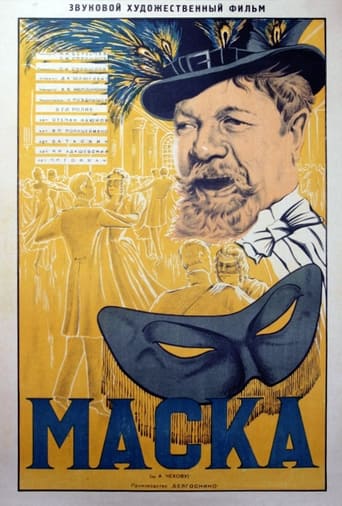
Маска
1938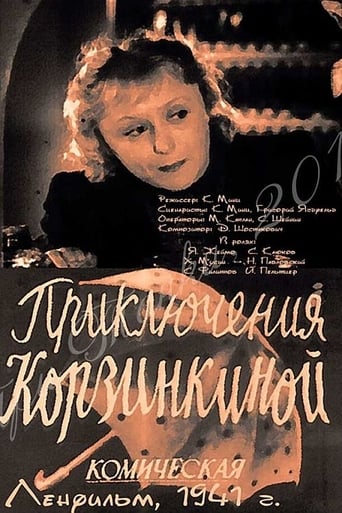
Adventures of Korzinkina
1941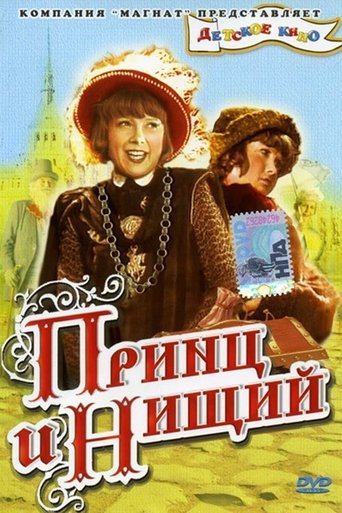
The Prince and the Pauper
1942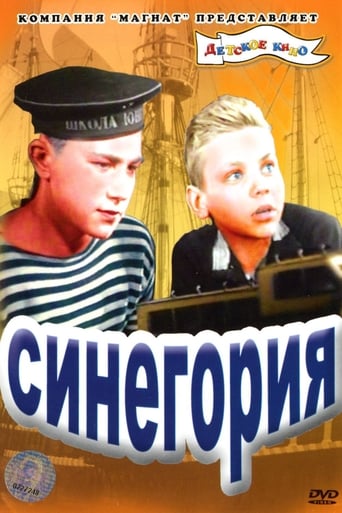
Sinegoriya
1946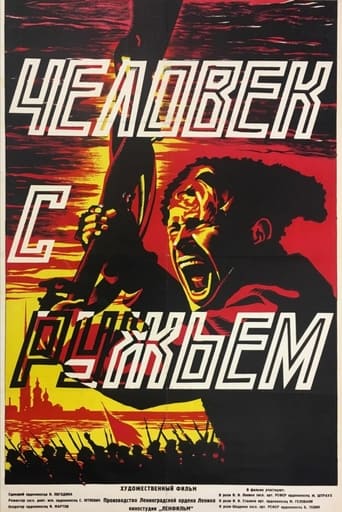
The Man with the Gun
1938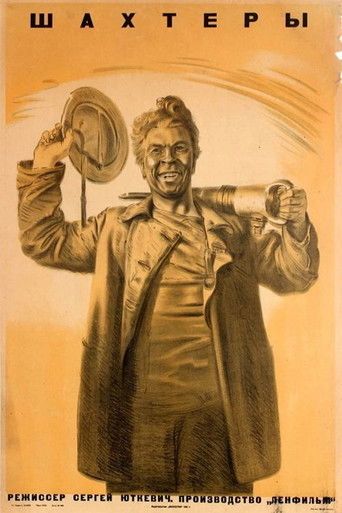
The Miners
1937No Poster
Collection of Films for the Armed Forces #8
1942About Stepan Kayukov
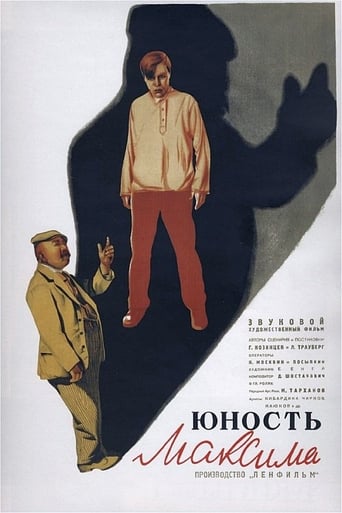
Prominent Soviet actor who rose to prominence during the Stalinist era of Soviet cinema. Born in the early 20th century, he began his film career in the mid-1930s and quickly established himself as a reliable character actor in some of the most significant Soviet films of the period. His breakthrough came with his role in 'The Youth of Maxim' (1935), the first film in the famous Maxim trilogy directed by Grigori Kozintsev and Leonid Trauberg. Kayukov continued to work steadily throughout the late 1930s and early 1940s, appearing in both dramatic films and comedies, often playing working-class characters or minor officials. His career was cut short by his untimely death in 1946, but during his brief decade in cinema, he contributed to several films that would become classics of Soviet cinema. His performances, while often in supporting roles, were noted for their authenticity and naturalistic style that helped define the aesthetic of socialist realism in film.
The Craft
On Screen
Kayukov was known for his naturalistic and understated acting style, which aligned well with the principles of socialist realism. He specialized in portraying authentic working-class characters and minor officials with a sense of dignity and realism. His performances were characterized by subtle facial expressions and a restrained emotional approach that made his characters feel genuine and relatable to Soviet audiences.
Milestones
- Breakthrough role in 'The Youth of Maxim' (1935)
- Notable performance in 'Dubrovskiy' (1936)
- Appeared in the complete Maxim trilogy
- Role in 'Baltic Deputy' (1937)
- Final film appearance in 'The Great Turning Point' (1945)
Best Known For
Iconic Roles
Must-See Films
Accolades
Won
- Honored Artist of the RSFSR (1939)
Special Recognition
- Order of the Red Banner of Labour (posthumously, 1946)
Working Relationships
Worked Often With
Studios
Why They Matter
Impact on Culture
Stepan Kayukov contributed significantly to the development of socialist realism in Soviet cinema during its formative years. His performances in the Maxim trilogy helped define the archetype of the Soviet worker-hero that would dominate Soviet cinema for decades. Through his work in films like 'Baltic Deputy' and 'Dubrovskiy,' he participated in creating the visual language and character types that would become standard in Soviet historical and revolutionary films. His naturalistic approach to acting influenced a generation of Soviet actors who sought to balance the demands of socialist realism with authentic human emotion.
Lasting Legacy
Though his career was brief, Stepan Kayukov left an indelible mark on Soviet cinema through his memorable performances in some of the most celebrated films of the 1930s. His work in the Maxim trilogy remains a reference point for understanding the evolution of Soviet acting styles. Film historians and scholars continue to study his performances as examples of how actors navigated the artistic and political demands of the Stalinist era. His films are regularly shown in retrospectives of classic Soviet cinema, introducing new generations to his subtle and authentic acting style.
Who They Inspired
Kayukov's naturalistic approach to character acting influenced subsequent generations of Soviet actors who sought to bring authenticity to their roles within the constraints of socialist realism. His ability to portray working-class characters with dignity and without caricature set a standard for character actors in Soviet cinema. Younger actors studying his performances learned how to convey complex emotions through subtle means rather than overt gestures, a technique that became increasingly valued in Soviet acting circles.
Off Screen
Stepan Kayukov led a relatively private life away from the spotlight, focusing primarily on his craft during his decade-long career. He was known among his colleagues as a dedicated and serious actor who took his roles seriously. Like many Soviet artists of his generation, he navigated the complex political landscape of Stalinist Russia while maintaining his artistic integrity. His sudden death in 1946 at the age of 47 cut short a promising career that was still developing.
Education
Graduated from the Leningrad Institute of Performing Arts (formerly known as the Leningrad Theatre School)
Family
- Information not publicly available
Did You Know?
- Died at the relatively young age of 47, cutting short a promising career
- Appeared in all three films of the famous Maxim trilogy
- Was awarded the title of Honored Artist of the RSFSR just seven years after his film debut
- His final film 'The Great Turning Point' was released posthumously
- Worked primarily with Lenfilm studio, one of the two major Soviet film production centers
- His career coincided with the establishment of socialist realism as the official artistic style in the USSR
- Despite his relatively short filmography, he appeared in several films that are now considered classics of Soviet cinema
- Received the Order of the Red Banner of Labour posthumously, recognizing his contributions to Soviet art
In Their Own Words
The actor's greatest responsibility is to bring truth to every character, no matter how small the role
In portraying the working man, one must understand his soul, not just his circumstances
Frequently Asked Questions
Who was Stepan Kayukov?
Soviet with credits in this catalog. He was recognized as an Honored Artist of the RSFSR for his contributions to Soviet cinema.
What films is Stepan Kayukov best known for?
Titles linked here include The Youth of Maxim (1935), The Return of Maxim (1937).
When was Stepan Kayukov born and when did he die?
Born August 7, 1898; died February 19, 1946.
What awards did Stepan Kayukov win?
Kayukov was named an Honored Artist of the RSFSR in 1939 and posthumously received the Order of the Red Banner of Labour in 1946 for his contributions to Soviet cinema.
What was Stepan Kayukov's acting style?
Kayukov was known for his naturalistic and understated acting style, specializing in authentic portrayals of working-class characters. His approach aligned with socialist realism while maintaining genuine human emotion and subtlety.
What was Stepan Kayukov's role in the Maxim trilogy?
In the Maxim trilogy directed by Kozintsev and Trauberg, Kayukov played Vaska, a supporting character who appeared throughout all three films. His performance contributed to the trilogy's success and its status as a classic of Soviet cinema.
How did Stepan Kayukov die?
Stepan Kayukov died on February 19, 1946, at the age of 47. The specific cause of his death is not widely documented in available sources, but his death came at a time when he was still actively working in Soviet cinema.
What is Stepan Kayukov's legacy in Soviet cinema?
Kayukov's legacy lies in his contributions to establishing the acting style of socialist realism in Soviet cinema. His naturalistic portrayals of working-class characters in classic films influenced subsequent generations of Soviet actors and helped define the visual language of Soviet cinema in the 1930s and 1940s.