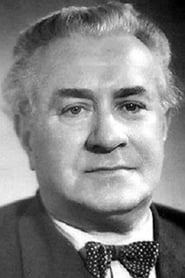
Vladimir Vladislavskiy
Actor
Born: January 7, 1891 in Moscow, Russian Empire Died: October 24, 1970 Active: 1913-1970 (Film: 1937-1953) Birth Name: Vladimir Alexandrovich Vladislavlev
Films
7 films

About Vladimir Vladislavskiy
Vladimir Alexandrovich Vladislavskiy (born Vladislavlev) was a Soviet theater and film actor whose over five decades. After graduating from the Moscow Art Theatre School in 1913, he began his theatrical career at the prestigious Moscow Art Theatre under Konstantin Stanislavski's direction. While primarily known for his stage work during the silent era, he transitioned successfully to film in the late 1930s, becoming one of Soviet cinema's most reliable character actors. Vladislavskiy specialized in portraying authority figures, intellectuals, and historical personages, bringing gravitas and authenticity to each role. His film career peaked during the Stalinist era, where he appeared in several politically significant films that defined Soviet cinema of the period. Despite the political pressures of the time, he maintained artistic integrity and became a respected figure in both theater and film. He continued acting until his final film in 1953, after which he returned to focus on theater work until his death in 1970.
The Craft
On Screen
Vladislavskiy was known for his commanding stage presence and distinctive voice, which made him ideal for authoritative and intellectual roles. His acting technique was rooted in the Stanislavski system, emphasizing psychological realism and emotional authenticity. He often portrayed historical figures, military officers, and educated professionals with a natural gravitas that avoided theatrical excess. His performances were characterized by precise diction, controlled gestures, and an ability to convey complex inner states through subtle facial expressions and vocal modulation.
Milestones
- Graduated from Moscow Art Theatre School (1913)
- Joined Moscow Art Theatre company (1913-1924)
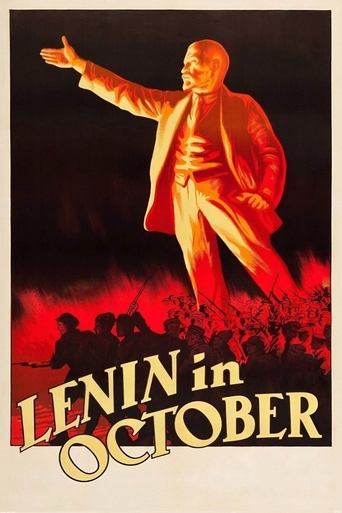
- Film debut in Lenin in October (1937)
- Awarded People's Artist of the RSFSR (1949)
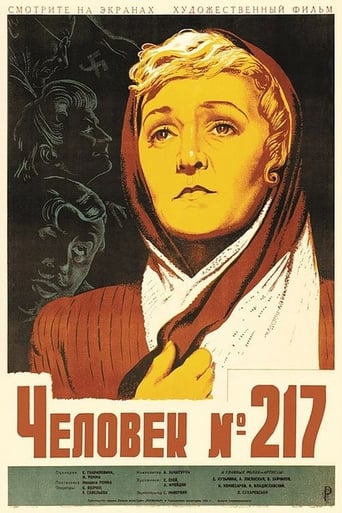
- Starring role in Girl No. 217 (1945)
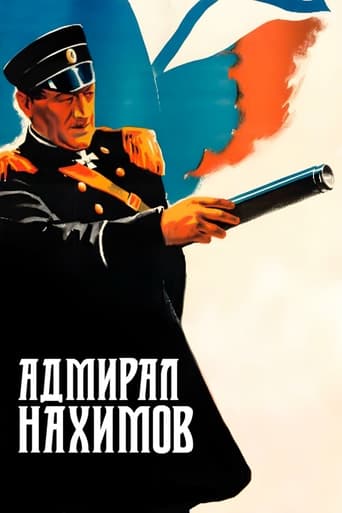
- Performance in Admiral Nakhimov (1946)
- Final film appearance in 1953
Best Known For
Iconic Roles
Must-See Films
Accolades
Won
- People's Artist of the RSFSR (1949)
- Order of the Red Banner of Labour
- Order of the Badge of Honour
Nominated
- Stalin Prize nominations for various film and theater performances
Special Recognition
- Honored Artist of the RSFSR
- Moscow Art Theatre Member
Working Relationships
Worked Often With
Studios
Why They Matter
Impact on Culture
Vladimir Vladislavskiy played a significant role in shaping Soviet cinema's approach to character acting during the Stalinist era. His performances in politically important films like 'Lenin in October' helped establish the visual and dramatic language of Soviet historical cinema. As a bridge between the theatrical traditions of the early 20th century and the emerging film industry, he helped legitimize film acting as a serious art form in Soviet culture. His work in films dealing with World War II, particularly 'Girl No. 217,' contributed to the Soviet war film genre and helped shape public memory of the conflict.
Lasting Legacy
Vladislavskiy's legacy lies in his contribution to both Soviet theater and cinema, particularly in establishing high standards for character acting. His adherence to the Stanislavski system and his ability to adapt theatrical techniques to the medium of film influenced generations of Soviet actors. The films he appeared in, especially those from the 1930s and 1940s, remain important documents of Soviet cultural history and artistic achievement. His career serves as an example of how an artist could maintain artistic integrity while working within the constraints of the Soviet system.
Who They Inspired
Vladislavskiy influenced Soviet cinema through his professional approach to acting and his ability to bring theatrical depth to film performances. Younger actors studied his technique for portraying authority figures with authenticity rather than caricature. His work helped establish a standard for supporting actors in Soviet cinema, demonstrating how character roles could elevate the overall quality of a production. His transition from stage to film also provided a model for other theater actors seeking to work in cinema.
Off Screen
Vladimir Vladislavskiy maintained a relatively private personal life, focusing primarily on his artistic career. He was deeply committed to the theater and was known among colleagues as a dedicated professional who took his craft seriously. His life spanned the entire Soviet period, from the Russian Revolution through the Stalin era and into the Khrushchev thaw, allowing him to witness and participate in the evolution of Soviet performing arts. He was respected not only for his talent but also for his moral character and dedication to theatrical traditions.
Education
Moscow Art Theatre School (graduated 1913)
Family
- Information not publicly available
Did You Know?
- Changed his surname from Vladislavlev to Vladislavskiy early in his career
- Was one of the few actors to successfully transition from silent theater to sound film
- His performance in 'Girl No. 217' as a Nazi officer was particularly praised for its psychological complexity
- Worked with virtually every major Soviet director of his era
- Was known for his meticulous preparation for roles, often spending months researching historical characters
- Survived the political purges of the 1930s despite working in politically sensitive films
- His distinctive voice made him a popular choice for radio dramas and narrations
- Continued teaching at the Moscow Art Theatre School even after retiring from performing
- Was a member of the Communist Party, which was unusual for artists of his generation
- His film career was relatively brief (1937-1953) but highly influential
In Their Own Words
The actor must serve the truth of the character, not the truth of himself
Theater is our temple, but cinema is our window to the world
In every role, I seek not to play a type, but to reveal a human being
The Stanislavski method is not just technique, it is a way of understanding life
Frequently Asked Questions
Who was Vladimir Vladislavskiy?
Prominent Soviet theater and film with credits in this catalog. He was particularly acclaimed for his portrayals of authority figures and intellectuals, bringing psychological depth and authenticity to each role.
What films is Vladimir Vladislavskiy best known for?
Titles linked here include Lenin in October (1937), Girl No. 217 (1945).
When was Vladimir Vladislavskiy born and when did he die?
Born January 7, 1891; died October 24, 1970.
What awards did Vladimir Vladislavskiy win?
Vladislavskiy was awarded the title of People's Artist of the RSFSR in 1949, one of the highest honors for artists in the Soviet Union. He also received the Order of the Red Banner of Labour and the Order of the Badge of Honour for his contributions to Soviet culture.
What was Vladimir Vladislavskiy's acting style?
Vladislavskiy's acting style was rooted in the Stanislavski system, emphasizing psychological realism and emotional authenticity. He was known for his commanding presence, distinctive voice, and ability to portray complex characters with subtlety and depth, avoiding theatrical excess in favor of naturalistic performance.
Did Vladimir Vladislavskiy work in theater as well as film?
Yes, Vladislavskiy was primarily a theater actor who worked at the Moscow Art Theatre from 1913-1924 and continued his stage career throughout his life. His film career was relatively brief (1937-1953) but he remained active in theater until his death in 1970.
What was Vladimir Vladislavskiy's connection to the Moscow Art Theatre?
Vladislavskiy graduated from the Moscow Art Theatre School in 1913 and immediately joined the theatre company, working directly under Konstantin Stanislavski and Vladimir Nemirovich-Danchenko. This foundation in the Stanislavski method profoundly influenced his entire acting career and approach to both theater and film.