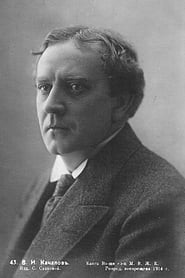
Vasiliy Kachalov
Actor
Born: January 29, 1875 in Vilnius, Russian Empire (now Lithuania) Died: September 30, 1948 Active: 1896-1948 Birth Name: Vasiliy Ivanovich Kachalov (Василий Иванович Качалов)
Films
3 films
About Vasiliy Kachalov
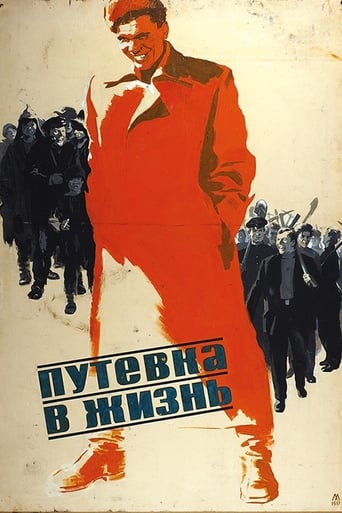
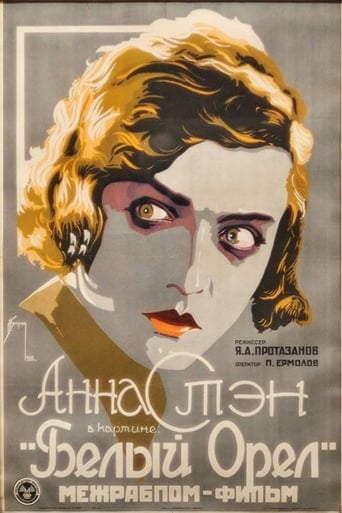
Vasiliy Ivanovich Kachalov was Russian and Soviet theater actors of the early 20th century, whose commanding presence and powerful voice made him a legend of the Moscow Art Theatre (MKhAT). Born in Vilnius in 1875, Kachalov began his career in provincial theaters before joining the prestigious Moscow Art Theatre in 1900, where he would remain for nearly five decades. Under the mentorship of Konstantin Stanislavski, Kachalov developed a revolutionary acting style that combined psychological depth with classical technique, becoming one of the foremost interpreters of Anton Chekhov's and Maxim Gorky's works. While his filmography was relatively small compared to his extensive stage career, his appearances in Soviet cinema during the 1920s-1940s were significant, including memorable roles in 'The White Eagle' (1928) and 'Road to Life' (1931). During World War II, he remained active in performances and was recognized as one of the Soviet Union's most important cultural figures. Kachalov's from the Tsarist era through the Stalinist period, making him a living bridge between different epochs of Russian theatrical art. His final years were marked by continued performances and the receipt of the highest honors the Soviet Union could bestow upon an artist.
The Craft
On Screen
Kachalov was renowned for his powerful, resonant voice and profound psychological depth, embodying Stanislavski's system with exceptional mastery. His approach combined classical Russian theatrical tradition with innovative psychological realism, allowing him to create characters of extraordinary complexity and emotional intensity. He was particularly noted for his ability to convey internal conflict and spiritual struggle through subtle vocal modulations and restrained physical expression. His performances were characterized by intellectual depth, aristocratic bearing, and an almost musical quality to his speech delivery.
Milestones
- Joined Moscow Art Theatre (1900)
- Became leading actor under Stanislavski's direction
- Received title of People's Artist of the USSR (1936)
- Awarded Stalin Prize (1943)
- Performed throughout WWII in besieged Moscow
- Master interpreter of Chekhov and Gorky roles
Best Known For
Iconic Roles
Must-See Films
Accolades
Won
- People's Artist of the USSR (1936)
- Stalin Prize (1943)
- Order of Lenin (1937)
- Order of the Red Banner of Labor (1938)
Special Recognition
- Named one of the greatest Russian actors of all time
- Moscow Art Theatre's stage named in his honor
- Multiple commemorative stamps issued in his memory
- Streets in Moscow and other cities named after Kachalov
Working Relationships
Worked Often With
Studios
Why They Matter
Impact on Culture
Kachalov's impact on Russian theater and cinema was profound, representing the pinnacle of Stanislavski's method and setting standards for psychological realism in acting. His interpretations of Chekhov's characters became definitive, influencing how these roles would be performed for decades to come. During the Soviet era, he embodied the ideal of the cultured, intellectual artist who served both artistic truth and social progress. His work helped establish the Moscow Art Theatre as one of the world's most influential theatrical institutions, and his approach to acting became foundational for both Soviet and international theatrical training.
Lasting Legacy
Vasiliy Kachalov's legacy endures through his recorded performances, the continued influence of his acting methodology, and the generations of actors he trained and inspired. The Moscow Art Theatre's main stage bears his name, ensuring his memory remains central to Russian theatrical culture. His approach to text analysis and character development continues to be studied in acting schools worldwide. Film historians consider his cinematic work, though limited, as important examples of how great stage actors successfully transitioned to the medium of film during the early Soviet period.
Who They Inspired
Kachalov directly influenced the development of the Soviet school of acting and indirectly impacted international theater through the global spread of Stanislavski's techniques. His emphasis on psychological truth and emotional authenticity became standard practice in both theater and film acting. Many of his students and colleagues went on to become master teachers themselves, perpetuating his approach through subsequent generations of Russian and international actors. His recordings of dramatic monologues and poetry readings became educational tools for actors studying vocal technique and text interpretation.
Off Screen
Kachalov was known for his intellectual pursuits and literary interests, maintaining friendships with many prominent Russian writers and artists of his time. He was married twice and had children who also pursued artistic careers. Despite his fame, he maintained a relatively private personal life, focusing intensely on his craft and theatrical work. During the turbulent political periods of Soviet history, he managed to navigate the changing political landscape while maintaining his artistic integrity and status.
Education
Graduated from Vilnius Gymnasium, studied at St. Petersburg Conservatory briefly before pursuing theater training with various mentors in provincial theaters
Family
- Nadezhda Nikolaevna Kachalova (married 1900-1920)
- Nina Nikolaevna Litovtseva (married 1921-1948)
Did You Know?
- His stage name 'Kachalov' was derived from the Polish word 'kaczal' meaning 'duck'
- He was fluent in multiple languages including Russian, Polish, and Lithuanian
- During the 1917 Revolution, he protected the Moscow Art Theatre from damage
- He was one of the few artists allowed to travel abroad during the early Soviet period
- His voice was considered so perfect that radio engineers used it to test equipment
- He performed for Soviet soldiers during the Battle of Moscow in 1941
- Stanislavski considered him his ideal student of the acting system
- He never fully embraced film, considering theater the superior art form
- His final performance was in 'The Lower Depths' just months before his death
- He was known for his photographic memory and could recall entire plays after a single reading
In Their Own Words
The actor must not play, but be. The audience must not see the actor, but the character.
Theater is not entertainment, it is a temple where we purify our souls through art.
Every word must be weighed, every gesture must have meaning, otherwise we betray the author and the audience.
Stanislavski taught us not to act emotions, but to live them truthfully under imaginary circumstances.
The stage is a place of truth, even when we tell lies as characters.
Frequently Asked Questions
Who was Vasiliy Kachalov?
Vasiliy Kachalov was. Though he appeared in several films including 'The White Eagle' (1928) and 'Road to Life' (1931), his primary legacy was in theater, where he was renowned for his interpretations of Chekhov and Gorky plays.
What films is Vasiliy Kachalov best known for?
Titles linked here include The White Eagle (1928), Road to Life (1931).
When was Vasiliy Kachalov born and when did he die?
Born January 29, 1875; died September 30, 1948.
What awards did Vasiliy Kachalov win?
Kachalov received the highest honors available to Soviet artists, including the title of People's Artist of the USSR in 1936, the Stalin Prize in 1943, the Order of Lenin in 1937, and the Order of the Red Banner of Labor in 1938.
What was Vasiliy Kachalov's acting style?
Kachalov was known for his powerful voice, psychological depth, and mastery of Stanislavski's system. His style combined classical Russian theatrical tradition with innovative psychological realism, creating characters of extraordinary complexity through subtle vocal modulations and restrained physical expression.
How did Vasiliy Kachalov influence Russian theater?
Kachalov's influence on Russian theater was immense, as he embodied and perfected Stanislavski's acting system. His interpretations of major roles became definitive standards, and through his teaching and performances at the Moscow Art Theatre, he helped establish the Soviet school of acting that influenced generations of performers worldwide.
Was Vasiliy Kachalov related to any other famous actors?
Yes, Kachalov's children followed in his artistic footsteps. His son Vadim Kachalov and daughter Tamara Kachalova both became actors, continuing the family's theatrical legacy into the next generation.