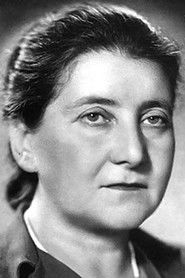
Zinaida Brumberg
Director
Born: August 2, 1900 in Moscow, Russian Empire Died: February 9, 1983 Active: 1928-1972 Birth Name: Zinaida Sergeyevna Brumberg
Films
4 films
About Zinaida Brumberg
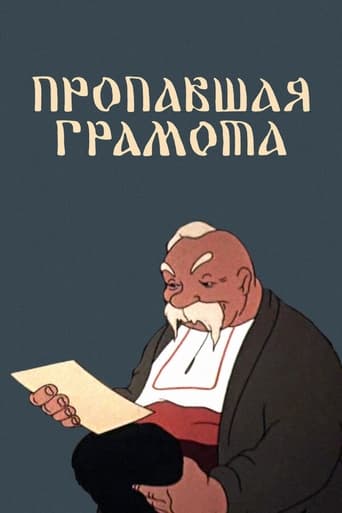
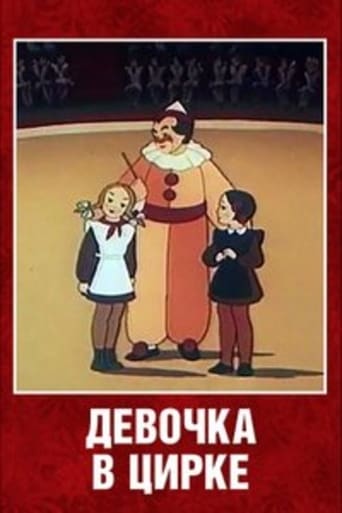
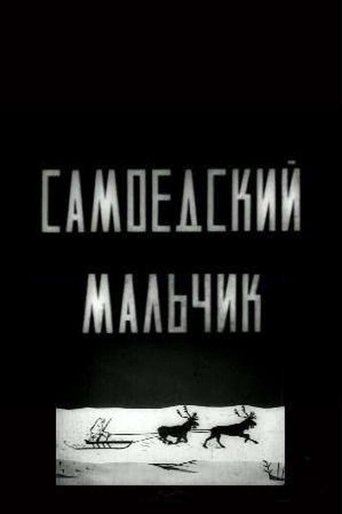
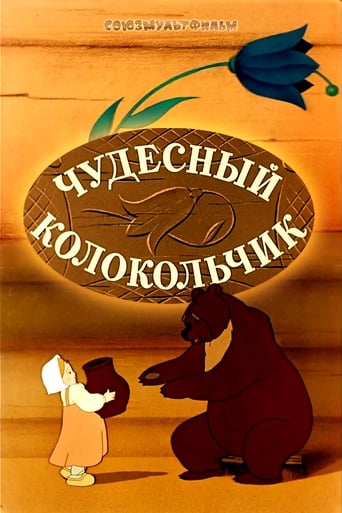
Soviet animation director who, together with her sister Valentina, formed creative partnerships in the history of Russian animation. Born in Moscow in 1900, she began her career in the 1920s during the formative years of Soviet animation, initially working as an artist before transitioning to directing. The Brumberg sisters became known for their sophisticated adaptations of Russian folklore, classical literature, and contemporary stories, bringing a distinctive artistic sensibility to their work. Their 1928 film 'Samoyed Boy' marked their directorial debut and established their reputation for creating visually striking and culturally significant animations. Throughout the 1930s and 1940s, they continued to produce acclaimed works that blended traditional Russian artistic traditions with modern animation techniques, with films like 'The Lost Letter' (1945) showcasing their mastery of narrative and visual storytelling. Their post-war period saw further artistic achievements with 'The Miraculous Bell' (1949) and 'The Girl at the Circus' (1950), cementing their legacy as foundational figures in Soviet animation. Zinaida's over three decades, during which she helped establish the aesthetic and technical standards that would define Russian animation for generations.
The Craft
Behind the Camera
Zinaida Brumberg's directing style was characterized by a sophisticated blend of traditional Russian artistic aesthetics with innovative animation techniques. Her work often featured rich visual storytelling, drawing inspiration from Russian folk art, classical painting, and literature. She emphasized character development and emotional depth, creating animations that appealed to both children and adults. Her direction was marked by meticulous attention to detail, fluid movement, and a distinctive use of color that reflected Russian artistic traditions.
Milestones
- Directed debut film 'Samoyed Boy' (1928)
- Co-directed acclaimed adaptations of Russian literature
- Established animation techniques at Soyuzmultfilm
- Mentored generations of Soviet animators
- Received People's Artist of the RSFSR honor (1976)
Best Known For
Must-See Films
Accolades
Won
- Stalin Prize (1948)
- Order of the Red Banner of Labour
- People's Artist of the RSFSR (1976)
- Order of the October Revolution
Nominated
- State Prize of the RSFSR (multiple nominations)
Special Recognition
- Honored Artist of the RSFSR (1969)
- People's Artist of the RSFSR (1976)
Working Relationships
Worked Often With
Studios
Why They Matter
Impact on Culture
Zinaida Brumberg, together with her sister, fundamentally shaped the aesthetic and narrative direction of Soviet animation, establishing a uniquely Russian approach that it from Western animation. Their work helped preserve and reinterpret Russian folklore and classical literature for new generations, making cultural heritage accessible through the medium of animation. The Brumberg sisters' films became cultural touchstones in the Soviet Union, with many of their adaptations remaining beloved classics decades after their release. Their emphasis on artistic quality and cultural authenticity set standards that influenced generations of Russian animators and contributed to the international recognition of Soviet animation as a distinct art form.
Lasting Legacy
Zinaida Brumberg's legacy endures through her contributions to establishing Soviet animation as a respected art form and through the generations of animators she influenced. The techniques and aesthetic principles she helped develop continue to influence Russian animation today. Her adaptations of classic literature and folklore created a template for culturally grounded animation that balances artistic merit with popular appeal. The Brumberg sisters' work represents a golden age of Soviet animation and remains studied by animation scholars worldwide as examples of how animation can serve both artistic and cultural preservation purposes.
Who They Inspired
Zinaida Brumberg influenced countless Soviet and Russian animators through her work at Soyuzmultfilm and her role as a mentor to younger generations of artists. Her approach to adapting literature for animation became a model for future directors, and her emphasis on combining traditional artistic techniques with modern animation technology inspired technical innovations in the field. The Brumberg sisters' collaborative working method also influenced how animation studios structured their creative teams, promoting the idea of creative partnerships in animation direction.
Off Screen
Zinaida Brumberg came from an artistic family in Moscow and shared her entire professional career with her sister Valentina, with whom she formed one of animation's most enduring creative partnerships. She never married and dedicated her life entirely to her art and the development of Soviet animation. The sisters lived and worked together in Moscow, maintaining a close personal and professional relationship throughout their lives. Zinaida was known as the more introverted and artistically focused of the pair, while Valentina handled more of the organizational aspects of their work.
Education
Graduated from Vkhutemas (Higher Art and Technical Studios) in Moscow with specialization in graphic arts and animation
Did You Know?
- Worked exclusively with her sister Valentina for over 40 years
- Their films were often adaptations of works by Pushkin, Gogol, and other Russian literary masters
- Pioneered the use of rostrum camera techniques in Soviet animation
- Their studio at Soyuzmultfilm became known as 'the Brumberg workshop'
- During WWII, they created patriotic animations to support the war effort
- Many of their films won awards at international film festivals
- They were among the first Soviet animators to experiment with color animation
- The sisters never signed their individual works, always crediting both
- Their film 'The Snow Maiden' became an annual holiday tradition in the USSR
- They mentored several directors who would later become animation legends
In Their Own Words
Animation is not just for children; it is art that speaks to all ages
We must preserve our cultural heritage through every available medium
The collaboration between sisters creates a harmony that cannot be replicated
Every frame must be a painting, every movement a poem
Frequently Asked Questions
Who was Zinaida Brumberg?
Soviet animation on YTB.my. They were known for their sophisticated adaptations of Russian literature and folklore and helped establish the aesthetic standards for Soviet animation.
What films is Zinaida Brumberg best known for?
Titles linked here include Samoyed Boy (1928), The Lost Letter (1945).
When was Zinaida Brumberg born and when did she die?
Born August 2, 1900; died February 9, 1983.
What awards did Zinaida Brumberg win?
Zinaida Brumberg received the Stalin Prize in 1948, the Order of the Red Banner of Labour, the Order of the October Revolution, and was named People's Artist of the RSFSR in 1976, among other honors recognizing her contributions to Soviet art and animation.
What was Zinaida Brumberg's directing style?
Zinaida Brumberg's directing style blended traditional Russian artistic aesthetics with innovative animation techniques, emphasizing rich visual storytelling, character development, and emotional depth. Her work drew inspiration from Russian folk art and classical painting, creating a distinctly Russian approach to animation.