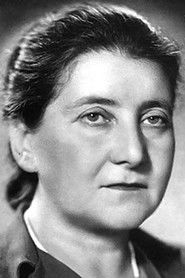

Samoyed Boy
"Samoyed Boy (1928)"
Keys: Space play/pause · ←/→ 10s · F fullscreen · M mute · </> speed
About this film
Adventures of a Nenets boy, who returns to his homeland from Moscow an educated young man.
Cast & crew
More Animation films
View all →



More from Zinaida Brumberg
View all →
More about this film
About the production
Release date1928
Box officeNot documented for this early Soviet animated short
ProductionGoskino, Sovkino
Filmed inMoscow, Soviet Union
This was one of the earliest animated films produced in the Soviet Union, created during the pioneering era of Soviet animation. The film was produced using traditional hand-drawn animation techniques, which were still experimental in the USSR at the time. Zinaida Brumberg worked alongside her sister Valentina Brumberg, forming what would become among the pivotal animation teams in Soviet cinema history. The production reflected Soviet educational ideals of the 1920s, emphasizing the benefits of Soviet education for indigenous peoples.
Themes
Education and modernizationCultural integrationIndigenous rights and identitySoviet progressTraditional vs. modern values
Themes & topics
Nenets boyEducationMoscowArcticIndigenous peoplesCultural journeySoviet UnionAnimationSilent filmAdventureComing of ageTraditional lifeModernizationCultural bridge
Historical background
Contemporary records classify Samoyed Boy (1928) as 1928 animated film, placing it within late silent cinema and the transition toward sound.
Why this film matters
Samoyed Boy (1928) helps trace genre evolution, performer careers, and the material conditions of silent exhibition.
Making of
The production of 'Samoyed Boy' took place during the formative years of Soviet animation, when resources were extremely limited and animators had to invent many techniques themselves. Zinaida Brumberg, working with her sister Valentina, was part of a small group of pioneers establishing animation as a legitimate art form in the Soviet Union. The film was likely created using cut-out animation techniques combined with hand-drawn elements, which were common in early Soviet animation due to material shortages. The animators worked with basic equipment, often repurposing materials meant for other purposes. The film's creation reflected the Soviet government's interest in using animation as an educational and propaganda tool to promote literacy, modernization, and Soviet values among diverse ethnic populations, including indigenous peoples of the Arctic regions.
What critics said
Where contemporary reviews survive, Samoyed Boy is discussed in terms of audience appeal at release; later criticism often reframes it through archive restoration and festival programming.
Did you know?
- This was one of the earliest animated films to feature indigenous Siberian characters in Soviet cinema
- Director Zinaida Brumberg was part of the famous Brumberg sisters, who became legends of Soviet animation
- The film was created during the early Soviet policy of 'korenizatsiya' (indigenization), which promoted the development of indigenous cultures
- Animation in the Soviet Union in 1928 was still in its experimental phase, with most techniques being developed from scratch
- The Nenets people (historically called Samoyeds by Russians) are indigenous to the Arctic regions of Russia
- This film is among the first Soviet animations to address themes of education and cultural integration
- The film was silent, as synchronized sound in Soviet animation would not become common until the early 1930s
- Very few prints of early Soviet animations from this period have survived, making this a historically significant work
- The film reflected Soviet educational policies aimed at bringing literacy and modern knowledge to remote regions
- Animation studios in the USSR during this period were often underfunded and had to improvise equipment and materials
Visual style
The visual style of 'Samoyed Boy' reflected the experimental nature of early Soviet animation. The film likely employed a combination of cut-out animation and hand-drawn techniques, which were common in Soviet animation of this period due to limited resources. The cinematography would have been simple by modern standards, with basic camera movements and static backgrounds typical of early animation. The visual design probably incorporated elements of Russian folk art and constructivist influences, which were prominent in Soviet art of the 1920s. Character designs would have been stylized to emphasize both the Nenets cultural elements and Soviet modernity. The color palette, if the film was colored (many early animations were black and white or tinted), would have been limited due to technical constraints. The animation technique, while rudimentary compared to later standards, showed the innovative spirit of Soviet animators working with limited means to create meaningful content.
Innovations
While 'Samoyed Boy' may not appear technically sophisticated by modern standards, it represented significant achievements in the context of early Soviet animation. The film demonstrated the successful application of animation techniques to culturally specific subject matter, showing how the medium could be used to tell stories about diverse Soviet peoples. The production overcame the severe technical limitations of the period, including shortages of quality animation paper, celluloid, and specialized equipment. Soviet animators of this era had to develop their own techniques and often repurposed materials from other industries. The film's creation contributed to the development of a distinctly Soviet approach to animation that emphasized content over technical polish. The work also helped establish animation as a viable medium for educational and cultural content in the Soviet Union, paving the way for the more sophisticated animations of the 1930s and beyond.
Music
As a silent film from 1928, 'Samoyed Boy' would have been accompanied by live musical performance during theatrical screenings. The musical accompaniment would likely have been provided by a pianist or small ensemble using compiled classical pieces or original improvisations. Some Soviet cinemas of this period employed specially composed music for major releases, but for animated shorts, compiled music was more common. The musical selections would have been chosen to match the film's moods and narrative beats, with traditional Russian or Nenets folk melodies possibly incorporated to reflect the cultural elements of the story. The experience of watching the film in 1928 would have included not just the visual animation but also this live musical dimension, which was an integral part of silent film exhibition. No original score or soundtrack recording survives from the film, as was typical for silent productions.
Famous quotes
No documented quotes survive from this silent film
Memorable scenes
- The protagonist's departure from his Arctic homeland, likely depicted with stylized animation showing traditional Nenets life and the vast northern landscape
- The boy's arrival in Moscow, probably contrasting the traditional Arctic setting with the modern Soviet capital
- The return journey home, showing the transformed young man bringing knowledge back to his community
What audiences thought
Information about audience reception for 'Samoyed Boy' in 1928 is extremely limited due to the lack of systematic audience research in the Soviet Union during this period. However, the film was likely shown in educational settings, workers' clubs, and cinema theaters as part of programs that included newsreels and other short films. Soviet audiences of the late 1920s were generally enthusiastic about cinema, which was still a relatively new and exciting medium. The film's themes of education and modernization would have resonated with audiences who were experiencing rapid social changes. The animation format would have been particularly appealing to children and to adult audiences in remote regions who might have had limited exposure to cinema. The representation of Nenets culture might have been especially interesting to urban Soviet audiences who knew little about the indigenous peoples of the Arctic regions.
Film connections
Influenced by
- Soviet educational policies of the 1920s
- Russian folk art traditions
- Constructivist art movement
- Early Disney animations (limited exposure)
- European avant-garde animation
- Russian literary traditions
- Soviet propaganda aesthetics
This film influenced
- Later Brumberg sisters animations
- Soviet educational animations of the 1930s
- Films about indigenous peoples in Soviet cinema
- Soviet animations featuring ethnic diversity
Film restoration
The preservation status of 'Samoyed Boy' is uncertain, which is common for Soviet animated films from the 1920s. Many early Soviet animations were lost due to the fragile nature of nitrate film stock, inadequate storage conditions, and the chaos of World War II. Some films from this period exist only in fragments or as single prints in Russian archives. The Gosfilmofond, the Russian state film archive, may hold materials related to this film, but access is often restricted. The film's survival would depend on whether any prints were preserved, copied to safer film stocks, or documented in film archives. Given its historical significance as an early work by the Brumberg sisters, efforts may have been made to preserve it, but this cannot be confirmed without direct access to Russian film archive catalogs.
Where to watch
- Access to 'Samoyed Boy' is extremely limited due to its age and preservation status. Potential viewing options might include: Specialized film archives holding Soviet animation (such as Gosfilmofond in Russia), Academic film libraries with extensive Soviet cinema collections, Film festivals specializing in silent or animation history, Online platforms specializing in public domain or restored films (though unlikely for this specific title), Special screenings at film museums or cinematheques with Soviet animation collections