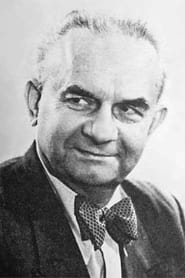
Vladimir Popov
Actor
Born: 1887 in Moscow, Russian Empire Died: 1955 Active: 1913-1948 Birth Name: Vladimir Alexandrovich Popov
Films
8 films
About Vladimir Popov
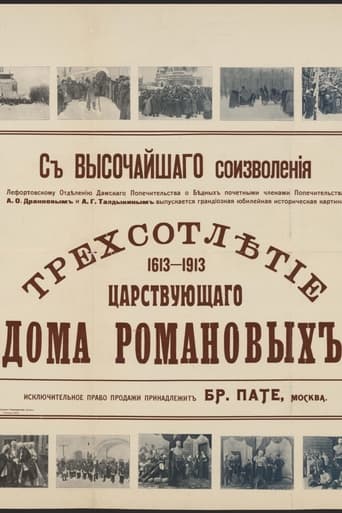
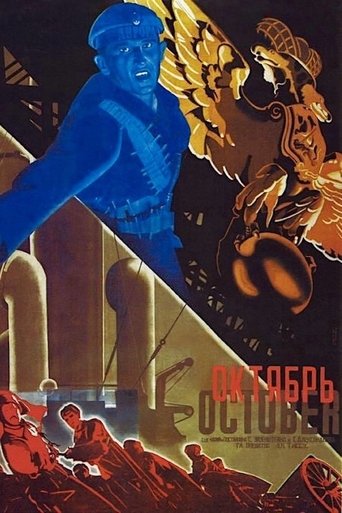
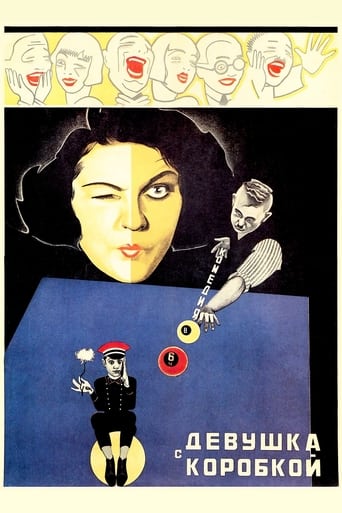
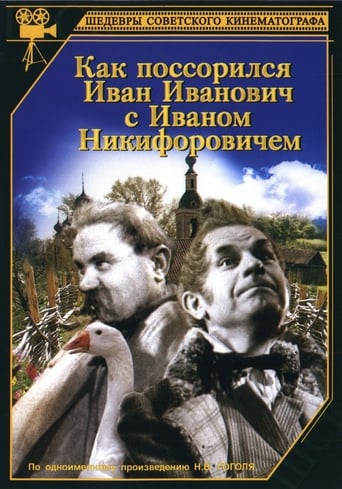
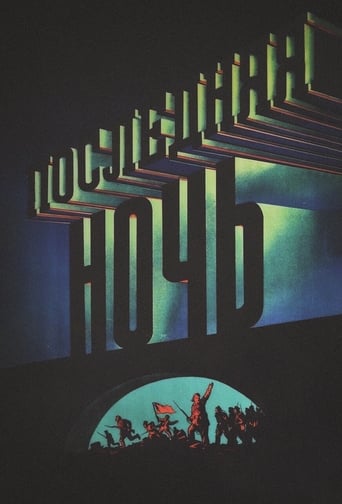
Figure in early Soviet cinema,: from the final years of Imperial Russia through the Stalin era. Born in 1887, he began his film career in 1913 with the documentary 'Tercentenary of the Romanov Dynasty's Accession,' making him one of the few actors to work in both pre-revolutionary and Soviet cinema. Popov gained significant recognition for his roles in Sergei Eisenstein's masterpiece 'October' (1927) and Boris Barnet's acclaimed comedy 'The Girl with the Hat Box' (1927), establishing himself as a versatile character actor capable of both dramatic and comic performances. Throughout the 1930s and 1940s, he continued to appear in prominent Soviet films, including 'The Last Night' (1936) and the Gogol adaptation 'How Ivan Ivanovich Quarreled with Ivan Nikiforovich' (1941). His work reflected the evolution of Soviet cinema from silent experimentation to socialist realism, and he became known for his ability to embody both ordinary citizens and historical figures with equal authenticity. Popov retired from acting in 1948 after a remarkable 35-year career that witnessed the birth and maturation of Soviet film art. He passed away in 1955, leaving behind a legacy as one of the foundational actors of the Soviet film industry.
The Craft
On Screen
Popov was known for his naturalistic and versatile acting style, which evolved from the theatrical traditions of pre-revolutionary Russian theater to the more restrained realism favored in Soviet cinema. In his silent film work, he demonstrated exceptional expressiveness through gesture and facial expression, particularly evident in his performances in 'October' where he portrayed various revolutionary figures. As sound cinema emerged, Popov adapted his technique to incorporate subtle vocal work while maintaining the physical expressiveness that characterized his early career. His ability to seamlessly transition between dramatic roles in political epics and comic performances in lighter fare showcased his remarkable range as a character actor.
Milestones
- Appeared in Eisenstein's revolutionary masterpiece 'October' (1927)
- Starred in the acclaimed comedy 'The Girl with the Hat Box' (1927)
- Transitioned successfully from silent to sound films
- Worked across multiple Soviet film studios including Mezhrabpomfilm and Mosfilm
- Appeared in adaptations of classic Russian literature
- Spanned four decades of Soviet cinema history
Best Known For
Iconic Roles
Must-See Films
Accolades
Won
- Honored Artist of the RSFSR (1935)
Special Recognition
- Honored Artist of the Russian Soviet Federative Socialist Republic
- Pioneer of Soviet Cinema recognition
Working Relationships
Worked Often With
Studios
Why They Matter
Impact on Culture
Vladimir Popov's career serves as a microcosm of Soviet cinema's development from its infancy to maturity. His participation in Eisenstein's 'October' placed him at the forefront of revolutionary cinema, contributing to. Through his work in both silent and sound films, Popov helped bridge the technological and artistic transition that defined early Soviet cinema, demonstrating how actors could adapt their craft to new mediums while maintaining artistic quality. His performances in adaptations of Russian literature, particularly the Gogol works, helped establish the tradition of literary adaptation that would become central to Soviet film culture.
Lasting Legacy
Vladimir Popov's legacy endures as proof of the actors who formed the backbone of early Soviet cinema. While not as internationally famous as some of his contemporaries, his consistent presence across four decades of film production and his work with directors like Eisenstein cement his importance in film history. Popov represents the generation of artists who successfully navigated the transition from Imperial Russian theatrical traditions to the new aesthetic requirements of Soviet cinema, helping to establish the character acting traditions that would influence subsequent generations of Soviet performers. His filmography provides valuable insight into the evolution of Soviet film art and the political and cultural changes that shaped it.
Who They Inspired
Popov's naturalistic acting style and versatility influenced subsequent generations of Soviet character actors, particularly in how to balance political content with artistic expression. His work with Eisenstein contributed to the development of montage theory and its application to performance, demonstrating how actors could serve the broader cinematic vision while maintaining individual artistry. His successful transition from silent to sound film provided a model for other actors facing similar technological and artistic challenges, showing how theatrical expressiveness could be adapted to the requirements of the new medium without losing its effectiveness.
Off Screen
Vladimir Popov lived through. His personal life reflected the challenges and changes faced by artists during this era, though specific details about his family life remain scarce in historical records. Like many actors of his generation, he had to navigate the shifting political and artistic demands of Soviet cultural policy, adapting his performances to align with changing ideological requirements while maintaining his artistic integrity.
Education
Theater training in pre-revolutionary Moscow, likely at one of the imperial theater schools
Did You Know?
- One of the few actors to work in both pre-revolutionary and Soviet cinema
- Appeared in Eisenstein's 'October' during the actual 10th anniversary of the revolution
- Credits cover 35 years in this catalog, from the silent era to the post-WWII period
- Worked with multiple Soviet directors including Eisenstein and Barnet
- Survived the Stalinist purges that affected many in the Soviet film industry
- Received the title 'Honored Artist of the RSFSR' in 1935, a significant state recognition
- Participated in both documentary and narrative films, showing his range
- His final film appearances came during WWII, when Soviet cinema was heavily focused on propaganda
- Witnessed the complete transformation of Russian society and cinema during his lifetime
- Helped establish the tradition of character acting in Soviet film
Frequently Asked Questions
Who was Vladimir Popov?
Soviet with credits in this catalog. He appeared in notable films including Eisenstein's 'October' and Barnet's 'The Girl with the Hat Box,' establishing himself as a versatile character actor across silent and sound films.
What films is Vladimir Popov best known for?
Titles linked here include October (Ten Days that Shook the World) (1927), The Girl with the Hat Box (1927).
When was Vladimir Popov born and when did he die?
Born 1887; died 1955.
What awards did Vladimir Popov win?
Vladimir Popov was named an Honored Artist of the RSFSR (Russian Soviet Federative Socialist Republic) in 1935, which was a significant state recognition for his contributions to Soviet cinema. This title was one of the highest artistic honors available in the Soviet Union at the time.
What was Vladimir Popov's acting style?
Popov was known for his naturalistic and versatile acting style that evolved from theatrical traditions to cinematic realism. In silent films, he demonstrated exceptional expressiveness through gesture and facial expression, while in sound films he adapted to incorporate subtle vocal work. His ability to portray both dramatic and comic roles made him a valuable character actor in Soviet cinema.