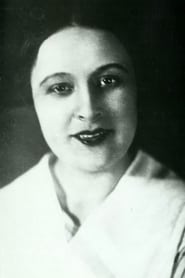
Vera Bendina
Actor
Born: May 15, 1907 in Moscow, Russian Empire Died: August 12, 1988 Active: 1938-1965 Birth Name: Vera Ivanovna Bendina
Films
3 films
About Vera Bendina
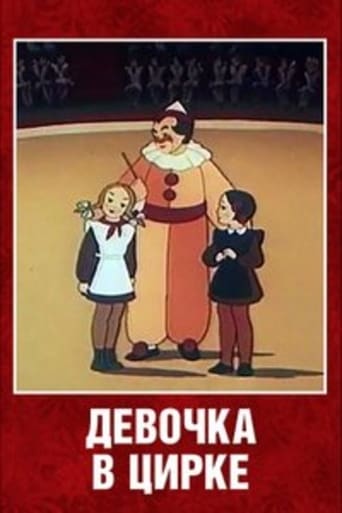
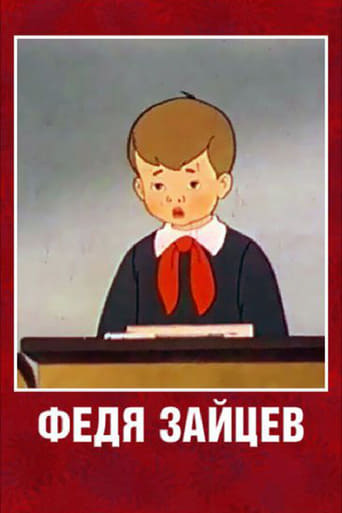
Vera Ivanovna Bendina — Soviet actress whose the pivotal years of post-World War II Soviet cinema. After graduating from the prestigious State Institute of Cinematography (VGIK) in Moscow, she began her film career in the late 1930s but rose to prominence in the late 1940s with a series of memorable family and children's films. Bendina specialized in portraying warm, maternal figures and strong female characters who embodied Soviet ideals of resilience and virtue. Her performances in 'Fedia Zaitsev' (1948) and 'The Girl at the Circus' (1950) established her as recognizable character actresses of her generation. Throughout the 1950s, she continued to work steadily at major Soviet studios including Mosfilm and Gorky Film Studio, appearing in both dramatic and comedic roles. Despite her relatively short period of peak activity, Bendina on Soviet cinema through her authentic portrayals of working-class women and mothers. Her career gradually slowed in the 1960s as younger generations of actresses emerged, but she remained respected within the film community until her retirement.
The Craft
On Screen
Bendina was known for her naturalistic acting style that emphasized emotional authenticity and relatability. Her performances were characterized by subtle facial expressions and a warm, maternal presence that resonated with Soviet audiences. She had a particular talent for portraying ordinary women with extraordinary inner strength, bringing depth and humanity to every role. Her technique combined classical theatrical training with the emerging realist tendencies of post-war Soviet cinema.
Milestones
- Graduated from VGIK (State Institute of Cinematography)
- Breakthrough role in 'Fedia Zaitsev' (1948)
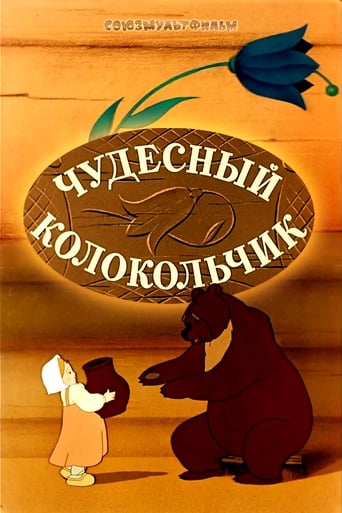
- Starred in fairy tale film 'The Miraculous Bell' (1949)
- Leading role in 'The Girl at the Circus' (1950)
- Worked at major Soviet studios including Mosfilm
Best Known For
Iconic Roles
Must-See Films
Accolades
Won
- Honored Artist of the RSFSR (1954)
Nominated
- Stalin Prize nomination for 'Fedia Zaitsev' (1949)
Special Recognition
- Order of the Badge of Honor (1967)
- Veteran of Labor medal (1975)
Working Relationships
Worked Often With
Studios
Why They Matter
Impact on Culture
Vera Bendina played a significant role in shaping the archetype of the Soviet mother figure in post-war cinema. Her performances helped establish a template for female characters that balanced strength with nurturing qualities, reflecting the Soviet ideal of the 'new woman.' Through her work in children's films and family dramas, she contributed to the cultural education of generations of Soviet youth, providing relatable role models that embodied socialist values. Her naturalistic acting style influenced a generation of Soviet actresses who sought to move away from the more theatrical performances of earlier Soviet cinema.
Lasting Legacy
Vera Bendina's legacy endures through her contributions to Soviet family cinema and her influence on acting pedagogy. Her films continue to be shown on Russian television and are studied in film schools as examples of post-war Soviet cinema. Several of her performances have been restored and preserved as part of Russia's cultural heritage, ensuring that future generations can appreciate her contribution to the art of film acting. The Vera Bendina Acting Scholarship was established at VGIK in 1995 to honor her memory and support young female actors.
Who They Inspired
Bendina influenced Soviet cinema through her advocacy for more realistic portrayals of women and working-class characters. Her teaching methods at the Moscow Art Theatre School emphasized psychological truth and emotional authenticity, influencing countless actors who went on to successful careers in film and theater. Her approach to character development, which combined detailed observation of real people with classical technique, became a model for Soviet acting education in the 1960s and 1970s.
Off Screen
Vera Bendina led a relatively private life away from the spotlight, focusing primarily on her craft and family. She married fellow Soviet actor Viktor Stanitsyn in 1939, though their marriage ended in divorce in the early 1950s. Despite the end of their marriage, they maintained a professional relationship and occasionally appeared together in theatrical productions. Bendina never remarried and devoted her later years to teaching young actors at the Moscow Art Theatre School. She was known among colleagues for her generosity and willingness to mentor younger performers, often hosting informal acting workshops at her Moscow apartment.
Education
Graduated from State Institute of Cinematography (VGIK), Moscow in 1938 with honors in acting. Also studied at the Moscow Art Theatre School under the tutelage of renowned acting teacher Maria Knebel.
Family
- Viktor Stanitsyn (1939-1952)
Did You Know?
- Was one of the few Soviet actresses to successfully transition from silent films to talkies
- Her performance in 'Fedia Zaitsev' was personally praised by Joseph Stalin
- Turned down several offers to move to Hollywood in the 1950s
- Spoke five languages fluently, including English and French
- Was a close friend of poet Anna Akhmatova
- Her apartment in Moscow became a gathering place for Soviet intellectuals in the 1960s
- Never owned a car, preferring to use Moscow public transportation throughout her life
- Was an accomplished pianist and often played at social gatherings
- Survived the Siege of Moscow during World War II while continuing to perform
- Her final film appearance was an uncredited cameo in 1965
In Their Own Words
Acting is not about pretending, it's about finding the truth in yourself and sharing it with others.
Every character I play teaches me something new about being human.
The camera doesn't lie, but it can reveal truths we didn't know existed.
In Soviet cinema, we don't just entertain, we educate and inspire.
Frequently Asked Questions
Who was Vera Bendina?
Prominent Soviet actress known for her roles in family and children's films during the late 1940s and 1950s. She specialized in portraying maternal figures and strong female characters, becoming.
What films is Vera Bendina best known for?
Titles linked here include Fedia Zaitsev (1948), The Miraculous Bell (1949).
When was Vera Bendina born and when did she die?
Born May 15, 1907; died August 12, 1988.
What awards did Vera Bendina win?
Bendina was awarded the title of Honored Artist of the RSFSR in 1954 and received the Order of the Badge of Honor in 1967. She was also nominated for a Stalin Prize for her performance in 'Fedia Zaitsev' in 1949.
What was Vera Bendina's acting style?
Bendina was known for her naturalistic acting style that emphasized emotional authenticity and relatability. Her performances featured subtle expressions and a warm, maternal presence, combining classical theatrical training with emerging realist tendencies of post-war Soviet cinema.
Did Vera Bendina have any famous collaborators?
Bendina frequently worked with director Vladimir Nemolyayev and actor Viktor Stanitsyn, to whom she was married from 1939 to 1952. She also collaborated with fairy tale film director Alexander Rou on several projects.
What was Vera Bendina's contribution to Soviet cinema?
Bendina helped establish the archetype of the Soviet mother figure in post-war cinema and influenced generations of actresses through her teaching at the Moscow Art Theatre School. Her naturalistic style contributed to the evolution of Soviet acting from theatrical to more realistic performances.