Films
5 films
About Vladimir Gotovtsev
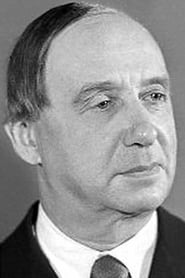
Soviet actor who had a notable but brief film career during the late 1940s and early 1950s, appearing in several significant productions of the Soviet cinema era. His work spanned across various genres, from war narratives to adaptations of classic literature, demonstrating his versatility as a character actor. Gotovtsev emerged Soviet filmmaking, following World War II, when the industry was experiencing both creative expansion and ideological constraints. His performances in films like 'The Lower Depths' (1952), an adaptation of Maxim Gorky's renowned play, showcased his ability to embody complex characters within the Soviet realist tradition. Despite his relatively short filmography, Gotovtsev's contributions to post-war Soviet cinema reflect the broader artistic movements and social themes prevalent in Russian filmmaking of this era. His career, while not extensively documented in Western sources, represents the work of dedicated actors who helped shape Soviet cinema during its golden age of the 1940s and 1950s.
The Craft
On Screen
Based on his filmography during the Soviet realist period, Gotovtsev likely employed the dramatic, emotionally expressive style characteristic of post-war Soviet cinema, emphasizing social themes and psychological depth within the parameters of socialist realism.
Milestones
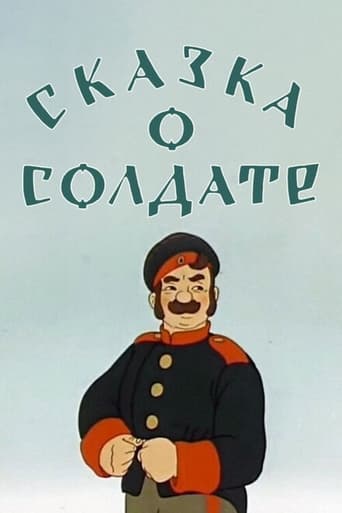
- Appeared in 'The Soldier's Tale' (1948)
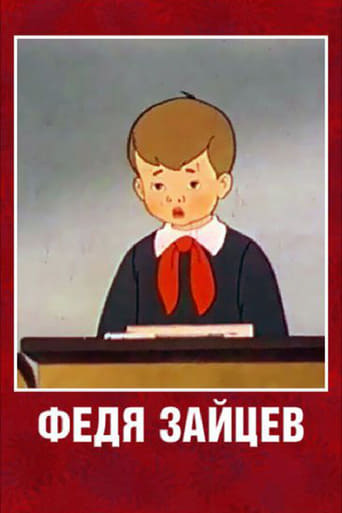
- Starred in 'Fedia Zaitsev' (1948)
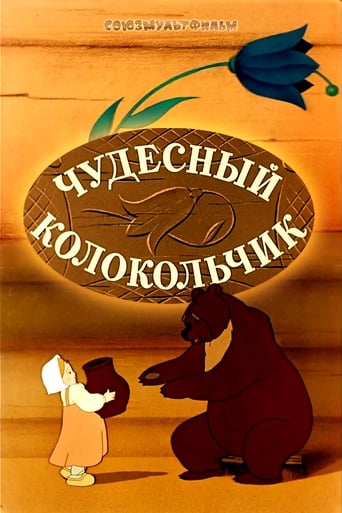
- Featured in 'The Miraculous Bell' (1949)
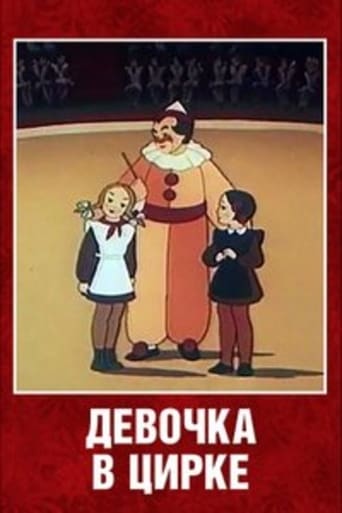
- Performed in 'The Girl at the Circus' (1950)
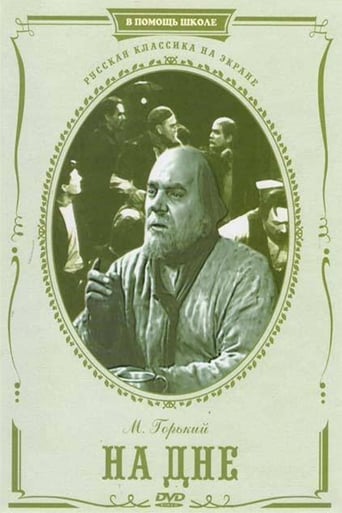
- Acted in 'The Lower Depths' (1952)
Best Known For
Iconic Roles
Must-See Films
Working Relationships
Studios
Why They Matter
Impact on Culture
Vladimir Gotovtsev contributed to the Soviet cinema during its post-war renaissance, a period when filmmakers were exploring both the trauma of World War II and the reconstruction of Soviet society through cinema. His work in adaptations of classic Russian literature, particularly 'The Lower Depths,' helped preserve and reinterpret important cultural works for new generations of Soviet audiences. As part of the ensemble casts that characterized Soviet filmmaking of this era, Gotovtsev represented the collaborative nature of cinema production under the Soviet system, where individual actors contributed to larger artistic and ideological projects. His performances, while not widely known internationally, were part of the domestic film culture that shaped Soviet identity and artistic expression during the early Cold War period.
Lasting Legacy
Vladimir Gotovtsev's legacy lies in his contributions to Soviet cinema's golden age of the late 1940s and early 1950s, a period that produced some of the most enduring works of Russian film history. Though his name may not be widely recognized outside of film scholarship circles, his performances in adaptations of classic literature helped preserve important cultural narratives for future generations. His work exemplifies the role of character actors in creating the rich, textured worlds of Soviet cinema, where even supporting roles were crucial to conveying the social and psychological themes central to the films. Gotovtsev represents the countless dedicated actors who formed the backbone of Soviet film production, contributing their talents to the collective artistic enterprise that defined one of the world's most distinctive national cinemas.
Who They Inspired
As a character actor working within the Soviet film system, Vladimir Gotovtsev's influence would have been primarily through his contributions to specific productions and his embodiment of the acting style characteristic of Soviet realist cinema. His work in literary adaptations helped establish interpretive approaches to classic Russian texts that would influence subsequent generations of Soviet and Russian actors. While he may not have directly mentored well-known protégés, his performances served as examples of the craft for younger actors entering the industry during the post-war period.
Off Screen
Limited information is available about Vladimir Gotovtsev's personal life in English-language sources, which is common for many Soviet character actors of his era who worked primarily within the domestic film industry.
Did You Know?
- Had a very concentrated film career spanning only five years (1948-1952)
- Appeared in multiple films released in 1948, suggesting this was a breakthrough year for him
- Worked during the Stalin era of Soviet cinema, when ideological control over filmmaking was at its peak
- Participated in adaptations of both contemporary Soviet stories and classic Russian literature
- His film 'The Lower Depths' (1952) was based on Maxim Gorky's famous play, which had been adapted for film multiple times internationally
- The titles of his films suggest he worked across various genres including war films, literary adaptations, and circus-themed entertainment
- His career coincided with the post-war reconstruction period in the Soviet Union, a time of significant social and cultural change
Frequently Asked Questions
Who was Vladimir Gotovtsev?
Soviet with credits in this catalog.
What films is Vladimir Gotovtsev best known for?
Titles linked here include The Lower Depths (1952), The Soldier's Tale (1948).
When was Vladimir Gotovtsev active in film?
Vladimir Gotovtsev had a concentrated film career from 1948 to 1952, appearing in multiple films during this five-year period of Soviet cinema.
What was Vladimir Gotovtsev's acting style?
Based on the Soviet realist period he worked in, Gotovtsev likely employed the dramatic, emotionally expressive style characteristic of post-war Soviet cinema, focusing on social themes within the framework of socialist realism.
Did Vladimir Gotovtsev win any awards?
There are no documented awards or nominations for Vladimir Gotovtsev in available English-language sources, though this does not preclude possible recognition within the Soviet film industry.
What was the cultural significance of Vladimir Gotovtsev's work?
His work contributed to Soviet cinema's post-war renaissance, helping preserve and adapt classic Russian literature while participating in the creation of films that reflected Soviet society during the early Cold War period.