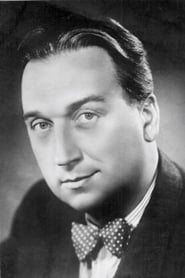
Mikhail Nazvanov
Actor
Born: February 14, 1914 in Moscow, Russian Empire Died: July 13, 1964 Active: 1943-1951 (primary film period), extended to early 1960s Birth Name: Mikhail Ivanovich Nazvanov
Films
4 films

About Mikhail Nazvanov
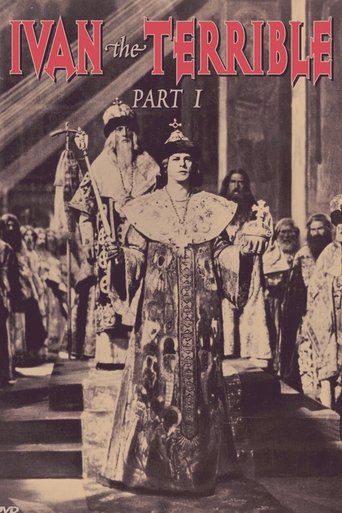
Mikhail Ivanovich Nazvanov — Soviet actor whose career flourished during the 1940s and early 1950s, representing the pinnacle of Stalinist-era cinema. After graduating from the prestigious Moscow Art Theatre School, he made his film debut in 1943 and quickly rose to prominence with his powerful screen presence and versatile acting abilities. His breakthrough came with Sergei Eisenstein's masterpiece 'Ivan the Terrible, Part I' (1944), where his performance garnered critical acclaim and established him as one of Soviet cinema's leading actors. Nazvanov specialized in portraying complex historical figures and noble characters, bringing psychological depth and emotional intensity to each role. His career trajectory was typical of many Soviet artists of his generation, navigating the challenging political landscape while maintaining artistic integrity. Despite his relatively short active period in cinema, he on Soviet film history with his memorable performances in both dramatic and historical productions. His later years saw a gradual decline in film appearances, though he continued to work in theatre and television until his death in 1964.
The Craft
On Screen
Nazvanov was known for his intense, psychologically nuanced performances characterized by deep emotional range and subtle facial expressions. His acting approach combined classical theatrical training with cinematic naturalism, allowing him to convey complex inner conflicts through minimal gestures and controlled vocal delivery. He excelled at portraying noble, tortured characters with dignity and depth, often bringing a sense of tragic grandeur to historical roles. His technique was particularly effective in close-ups, where his expressive eyes and thoughtful demeanor could communicate volumes without dialogue.
Milestones
- Breakthrough role in 'Ivan the Terrible, Part I' (1944)
- Leading role in wartime drama 'Wait for Me' (1943)
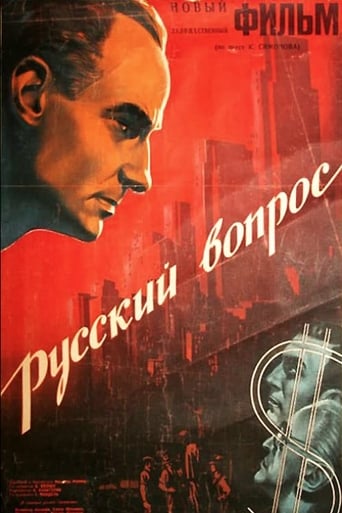
- Notable performance in political drama 'The Russian Question' (1948)
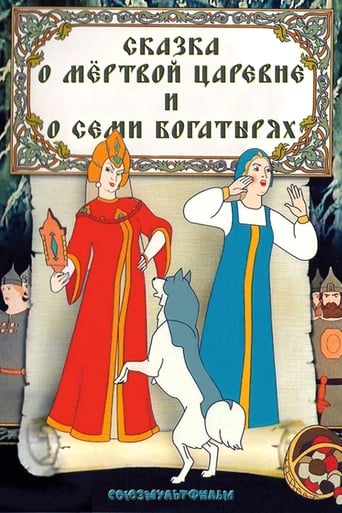
- Role in fantasy film 'The Tale of the Dead Princess and the Seven Knights' (1951)
- Graduation from Moscow Art Theatre School
- Collaboration with director Sergei Eisenstein
Best Known For
Iconic Roles
Must-See Films
Accolades
Won
- Stalin Prize, second degree (1946) for 'Ivan the Terrible, Part I'
- Honored Artist of the RSFSR (1951)
Nominated
- Stalin Prize nomination for 'Wait for Me' (1943)
- Stalin Prize nomination for 'The Russian Question' (1948)
Special Recognition
- Order of the Red Banner of Labour (1950)
- Medal 'For Valiant Labour in the Great Patriotic War 1941-1945'
Working Relationships
Worked Often With
Studios
Why They Matter
Impact on Culture
Mikhail Nazvanov played a significant role in shaping the aesthetic of Soviet cinema during the Stalin era, representing the ideal of the Soviet actor who could combine technical mastery with ideological commitment. His performances in historical epics helped establish the visual and dramatic language of Soviet historical cinema, influencing how historical figures were portrayed on screen for decades. His work in 'Ivan the Terrible' contributed to. Nazvanov's ability to convey complex emotions within the constraints of socialist realism demonstrated the artistic possibilities available to actors working under state censorship, showing how subtle performance techniques could communicate deeper meanings beneath officially sanctioned narratives.
Lasting Legacy
Mikhail Nazvanov's legacy endures through his contributions to classic Soviet cinema, particularly his work in historical and wartime dramas that defined the aesthetic of 1940s Soviet filmmaking. His performances continue to be studied by film scholars and acting students as examples of how to convey psychological depth within restrictive political and artistic environments. The films he appeared in, especially 'Ivan the Terrible,' remain cornerstones of world cinema history, ensuring his place in film studies curricula worldwide. His approach to character development and his ability to bring dignity to historical roles influenced subsequent generations of Soviet and Russian actors. Though his career was relatively brief and cut short by changing political tides and personal circumstances, his best work represents the pinnacle of Soviet acting achievement during the mid-20th century.
Who They Inspired
Nazvanov's acting technique, which blended classical theatrical training with cinematic naturalism, influenced the development of Soviet screen acting in the post-war period. His work with Eisenstein helped establish new approaches to historical characterization that balanced psychological realism with the demands of socialist realism. Younger actors who emerged in the 1950s and 1960s often cited his performances as models for how to maintain artistic integrity while working within the Soviet system. His emphasis on detailed character preparation and historical research influenced how Soviet actors approached period roles for decades. The subtlety of his emotional expression demonstrated to future generations how powerful performances could be achieved through restraint rather than overt display, a technique particularly valuable in the context of Soviet censorship.
Off Screen
Mikhail Nazvanov was married to fellow actress Alla Larionova, one of Soviet cinema's most popular actresses of the 1940s and 1950s. Their marriage was considered. The couple had one daughter together, Ekaterina Nazvanova, who also pursued a career in the arts. Nazvanov was known for his dedication to his craft and often spent long hours preparing for roles, studying historical materials and working extensively on character development. He maintained a relatively private personal life, focusing primarily on his artistic pursuits and avoiding political controversies that affected many of his contemporaries.
Education
Moscow Art Theatre School (MKhAT), graduated in early 1940s under the guidance of prominent theatre pedagogues including Konstantin Stanislavski's disciples
Family
- Alla Larionova (1941-1956)
Did You Know?
- Despite his prominence in the 1940s, Nazvanov's career declined significantly after Stalin's death in 1953 due to changing artistic policies
- He was originally considered for the lead role in Eisenstein's 'Ivan the Terrible' before being cast in a supporting role
- His performance in 'Wait for Me' was so popular that the film was re-released multiple times during the war years
- Nazvanov was one of the few actors allowed to work with both Eisenstein and Stalin's favorite director Ivan Pyryev
- He survived the political purges of the late 1940s that affected many of his colleagues in the film industry
- His daughter Ekaterina became a prominent set designer in Soviet theatre
- Nazvanov was known for his meticulous preparation, often spending months researching historical roles
- He was a close friend of composer Sergei Prokofiev, who scored several films he appeared in
- Despite his success in film, Nazvanov always considered theatre his primary artistic home
- His final years were marked by health problems and limited film opportunities as the Soviet film industry underwent changes after Stalin's death
In Their Own Words
The actor's greatest challenge is not to play the character, but to become the character while remaining yourself
In historical roles, we must find the human truth beneath the layers of time and legend
Cinema is truth at twenty-four frames per second, but the actor must live that truth in every moment
The eyes are the soul's window, and on film, they must speak what the lips cannot say
To work with Eisenstein was to attend the university of cinema itself
Frequently Asked Questions
Who was Mikhail Nazvanov?
Prominent Soviet with credits in this catalog. He was trained at the Moscow Art Theatre School and became one of the leading actors of the Stalin era, specializing in historical and dramatic roles.
What films is Mikhail Nazvanov best known for?
Titles linked here include Ivan the Terrible, Part I (1944), Wait for Me (1943).
When was Mikhail Nazvanov born and when did he die?
Born February 14, 1914; died July 13, 1964.
What awards did Mikhail Nazvanov win?
Nazvanov received the Stalin Prize, second degree in 1946 for his performance in 'Ivan the Terrible, Part I', and was named an Honored Artist of the RSFSR in 1951. He also received the Order of the Red Banner of Labour and the Medal 'For Valiant Labour in the Great Patriotic War 1941-1945'.
What was Mikhail Nazvanov's acting style?
Nazvanov's acting style was characterized by intense psychological depth, subtle facial expressions, and emotional restraint. He combined classical theatrical training with cinematic naturalism, excelling at portraying noble, complex characters with dignity and inner conflict. His technique was particularly effective in conveying deep emotions through minimal gestures and controlled delivery.
Did Mikhail Nazvanov work with any famous directors?
Yes, Nazvanov's most significant collaboration was with legendary director Sergei Eisenstein on 'Ivan the Terrible, Part I'. He also worked with prominent Soviet directors including Mikhail Romm and Aleksandr Zarkhi, making him one of the few actors to work with multiple major directors of the Stalin era.
What happened to Mikhail Nazvanov's career after the 1950s?
After the death of Stalin in 1953 and the subsequent cultural thaw, Nazvanov's career declined significantly. The changing artistic policies and reassessment of Stalin-era cinema led to fewer film opportunities. He continued to work in theatre and appeared sporadically in films until his death in 1964, but never regained the prominence he enjoyed in the 1940s.