
Anastasiya Zuyeva
Actor
Born: December 6, 1896 in Vladimir Governorate, Russian Empire Died: March 23, 1986 Active: 1915-1986 Birth Name: Anastasiya Platonovna Zuyeva
Films
5 films


About Anastasiya Zuyeva
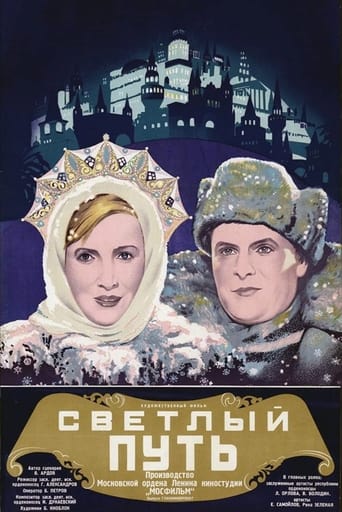
Soviet actress: several decades, though her most prominent film work occurred between 1940-1951. Born into a peasant family, she began her artistic journey in provincial theaters before moving to Moscow, where she joined the prestigious Moscow Art Theatre. Zuyeva developed a reputation for her remarkable ability to portray elderly maternal figures with authenticity and warmth, despite being relatively young when she first took on these roles. Her breakthrough came with her performance in 'The Shining Path' (1940), which established her as one of Soviet cinema's most beloved character actresses. Throughout the 1940s, she became the go-to actress for roles requiring wisdom, kindness, and traditional Russian motherly qualities. Her portrayal of the old woman in 'The Tale of the Fisherman and the Goldfish' (1950) became and is still remembered as enchanting performances in Soviet children's cinema. Later in her career, she received the highest honors in Soviet arts, including the title of People's Artist of the USSR, cementing her legacy as respected actresses of her generation.
The Craft
On Screen
Zuyeva was renowned for her naturalistic and deeply empathetic portrayal of elderly maternal figures, bringing extraordinary authenticity to roles often played by much older actresses. Her technique combined method acting principles with traditional Russian theatrical traditions, creating characters that felt both archetypal and intimately human. She possessed a remarkable ability to convey complex emotions through subtle facial expressions and gentle vocal modulations, never resorting to caricature despite often playing grandmotherly roles. Her performances were characterized by a profound warmth and wisdom that resonated deeply with Soviet audiences, making her the embodiment of the ideal Russian mother and grandmother figure.
Milestones
- Stage debut at Moscow Art Theatre (1925)
- Breakthrough film role in 'The Shining Path' (1940)
- Iconic performance in 'The Tale of the Fisherman and the Goldfish' (1950)
- Awarded title of People's Artist of the USSR (1957)
- Received Order of Lenin for contributions to Soviet cinema
Best Known For
Iconic Roles
Must-See Films
Accolades
Won
- People's Artist of the USSR (1957)
- Order of Lenin (1976)
- Order of the October Revolution (1971)
- Order of the Red Banner of Labour (1966)
- Stalin Prize (1949)
Nominated
- Stalin Prize nomination for 'The Shining Path' (1941)
- State Prize nomination for 'The Tale of the Fisherman and the Goldfish' (1951)
Special Recognition
- Honored Artist of the RSFSR (1947)
- People's Artist of the RSFSR (1950)
- Moscow Art Theatre Lifetime Achievement Award (1965)
Working Relationships
Worked Often With
Studios
Why They Matter
Impact on Culture
Anastasiya Zuyeva became an cultural icon in Soviet cinema, representing the idealized Russian grandmother figure that resonated deeply with audiences across generations. Her performances helped shape the archetype of the wise, nurturing elderly woman in Soviet film, influencing how such characters were portrayed for decades. Her role in 'The Tale of the Fisherman and the Goldfish' became particularly significant, as the film was a staple of Soviet children's programming and her performance was watched by millions of children annually. Zuyeva's ability to embody traditional Russian values while maintaining universal appeal made her a bridge between old and new Soviet society, helping to preserve cultural heritage during a period of rapid social change.
Lasting Legacy
Anastasiya Zuyeva's legacy endures through her extensive filmography and the generations of actors she influenced at the Moscow Art Theatre. She is remembered as one of Soviet cinema's most authentic and beloved character actresses, particularly for her ability to bring depth and humanity to supporting roles. Her technique in portraying elderly characters with dignity and authenticity set a standard for character acting in Soviet cinema. The films she appeared in, especially 'The Tale of the Fisherman and the Goldfish,' continue to be shown on Russian television, introducing new generations to her remarkable talent. Her contributions to both stage and screen helped establish the Moscow Art Theatre's reputation for producing actors of exceptional depth and versatility.
Who They Inspired
Zuyeva influenced generations of Soviet and Russian actors through her naturalistic approach to character development and her mastery of subtlety in performance. Her technique for portraying elderly characters informed the work of subsequent character actors in Soviet cinema, establishing a template for authentic age portrayal. Younger actors at the Moscow Art Theatre learned from her dedication to craft and her ability to find humanity in every role. Her success demonstrated the importance of character actors in creating memorable cinema, encouraging greater appreciation for supporting roles in Soviet film production. Her influence extended beyond acting to inspire more nuanced and respectful portrayals of elderly women in Russian media.
Off Screen
Anastasiya Zuyeva led a relatively private personal life, dedicating herself primarily to her craft. She married fellow actor Nikolai Khryashchev in the 1920s, though their marriage ended in divorce. She never had biological children but was known to be deeply maternal toward younger actors and her many nieces and nephews. Zuyeva lived modestly in Moscow throughout her life, remaining connected to her peasant roots despite her fame. In her later years, she became a beloved mentor to young actors at the Moscow Art Theatre, sharing her extensive knowledge of stagecraft and character development.
Education
Graduated from Moscow Art Theatre School (1925)
Family
- Nikolai Khryashchev (1920s-1930s)
Did You Know?
- Despite being in her 40s, she successfully played characters in their 70s and 80s
- She was discovered by Konstantin Stanislavski while performing in a provincial theater
- Her role in 'The Tale of the Fisherman and the Goldfish' was so beloved that children would send her letters addressed to 'the Goldfish's Old Woman'
- She continued performing on stage well into her 80s
- Zuyeva never took formal acting lessons before joining the Moscow Art Theatre
- She was known for her incredible memory, able to recall entire plays from decades earlier
- During WWII, she performed for soldiers at the front lines
- She turned down several offers to move to Hollywood, preferring to stay in the Soviet Union
- Her makeup artist created a special aging technique that became standard for Soviet cinema
- She was one of the few actresses allowed to keep working during Stalin's purges due to her popularity with the public
In Their Own Words
'Age is not in the wrinkles, but in the wisdom one carries within'
'Every grandmother has a story, and I have been privileged to tell so many of them'
'The stage is my home, and the audience is my family'
'To play an old woman, one must understand the young girl she once was'
'In every character, I find a piece of my mother, my grandmother, myself'
Frequently Asked Questions
Who was Anastasiya Zuyeva?
Renowned Soviet actress best known for her portrayals of elderly maternal figures in Soviet cinema and theater. She became particularly famous for her role in 'The Tale of the Fisherman and the Goldfish' and was honored as a People's Artist of the USSR for her contributions to Soviet performing arts.
What films is Anastasiya Zuyeva best known for?
Titles linked here include The Tale of the Fisherman and the Goldfish (1950), The Shining Path (1940).
When was Anastasiya Zuyeva born and when did she die?
Born December 6, 1896; died March 23, 1986.
What awards did Anastasiya Zuyeva win?
Zuyeva received the highest honors in Soviet arts, including People's Artist of the USSR (1957), the Stalin Prize (1949), Order of Lenin (1976), and was named Honored Artist of the RSFSR (1947) and People's Artist of the RSFSR (1950).
What was Anastasiya Zuyeva's acting style?
Zuyeva was known for her naturalistic and deeply empathetic portrayals of elderly characters, bringing extraordinary authenticity to roles despite being much younger than the characters she played. Her style combined method acting with Russian theatrical traditions, creating archetypal yet intimately human performances.
How did Anastasiya Zuyeva influence Soviet cinema?
Zuyeva established the archetype of the wise, nurturing elderly woman in Soviet film and influenced generations of character actors. Her naturalistic approach to age portrayal set new standards and her success demonstrated the importance of supporting roles in creating memorable cinema.
Was Anastasiya Zuyeva related to any other famous actors?
No, Anastasiya Zuyeva came from a peasant family and was not related to other famous actors. She rose to prominence through her talent and training at the Moscow Art Theatre, where she was discovered and mentored by Konstantin Stanislavski.