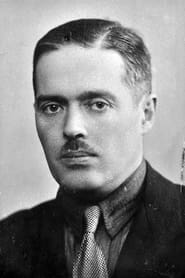
Mikhail Tsekhanovskiy
Director
Born: June 25, 1889 in St. Petersburg, Russian Empire Died: June 22, 1965 Active: 1929-1954 Birth Name: Mikhail Mikhailovich Tsekhanovskiy
Films
8 films
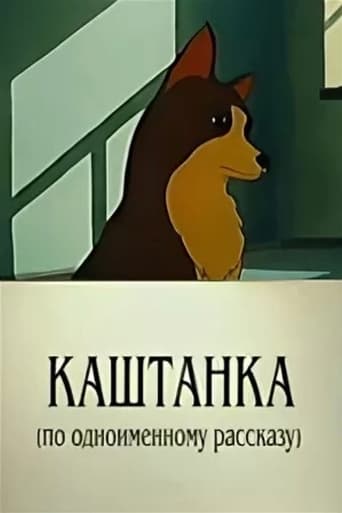


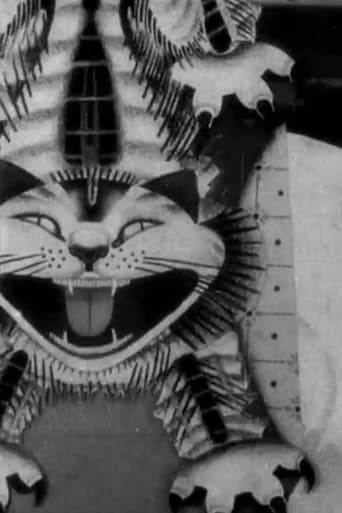

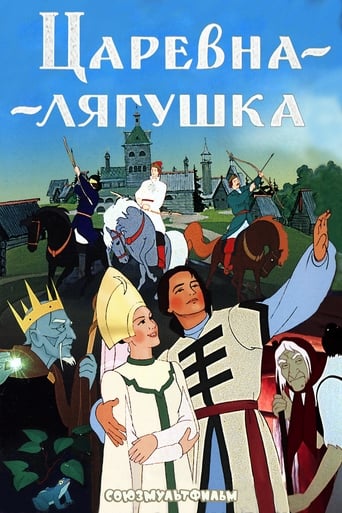
About Mikhail Tsekhanovskiy
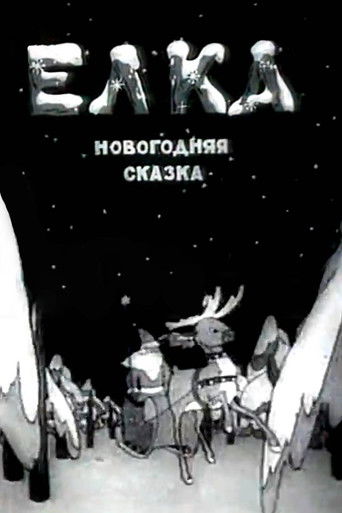
Soviet animator and director who in the development of early Soviet animation. Born in St. Petersburg in 1889, he initially trained as an artist and book illustrator before transitioning to animation in the late 1920s. His breakthrough came with 'The Post' (1929), one of the first Soviet animated films with sound, which showcased his innovative approach to combining visual artistry with narrative storytelling. Throughout the 1930s and 1940s, he continued to push the boundaries of Soviet animation at the newly formed Soyuzmultfilm studio, creating distinctive works that blended artistic sophistication with accessible themes. His wartime film 'New Year Tree' (1942) became particularly significant as a morale-boosting animation during World War II. Tsekhanovskiy's the formative decades of Soviet animation, from the silent era through the establishment of the state animation industry, until his retirement in the mid-1950s. He remained an influential figure in Soviet animation education and theory until his death in 1965.
The Craft
Behind the Camera
Tsekhanovskiy's directing style emphasized artistic sophistication combined with lyrical storytelling, often incorporating his background in book illustration to create visually rich animations with distinctive graphic qualities. His approach blended avant-garde artistic techniques with accessible narratives, a uniquely Soviet aesthetic that emphasized both educational value and artistic merit.
Milestones
- Directed 'The Post' (1929), one of first Soviet sound animations
- work at Soyuzmultfilm studio
- Created 'New Year Tree' (1942) during WWII
- Developed distinctive Soviet animation style
- Mentored next generation of Soviet animators
Best Known For
Must-See Films
Accolades
Won
- Order of the Red Banner of Labour (1951)
- Honored Artist of the RSFSR (1959)
Nominated
- Stalin Prize nomination for 'New Year Tree' (1942)
Special Recognition
- Pioneer of Soviet Animation recognition
- Soyuzmultfilm Studio Hall of Fame
Working Relationships
Worked Often With
Studios
Why They Matter
Impact on Culture
Mikhail Tsekhanovskiy significantly shaped the trajectory of Soviet animation, helping establish it as a legitimate art form rather than mere entertainment. His work demonstrated how animation could serve both artistic and educational purposes within the Soviet cultural framework, influencing generations of animators who followed. His films, particularly 'The Post' and 'New Year Tree,' became cultural touchstones that represented the possibilities of Soviet animation to international audiences.
Lasting Legacy
Tsekhanovskiy's legacy endures through his role in establishing Soviet animation as a sophisticated art form. His techniques and aesthetic approaches influenced the distinctive style that would become synonymous with Soyuzmultfilm productions throughout the Soviet era. Many of his innovations in combining graphic art with animation continue to be studied by animation historians and practitioners worldwide.
Who They Inspired
His influence extended beyond his own films through his work developing animation techniques and mentoring younger animators at Soyuzmultfilm. The visual language he helped create, emphasizing strong graphic design combined with narrative clarity, became foundational for Soviet animation. Directors like Fyodor Khitruk and Yuri Norstein built upon his innovations in creating animation that was both artistically ambitious and emotionally accessible.
Off Screen
Mikhail Tsekhanovskiy was married to Vera Tsekhanovskaya, who was also an accomplished animator and frequent collaborator on his films. The couple formed one of the first husband-wife animation teams in Soviet cinema, working together on numerous projects throughout the 1930s and 1940s. Their partnership was both personal and professional, with Vera often contributing to the artistic design and animation of Mikhail's directorial projects.
Education
Studied at the St. Petersburg Academy of Arts, originally trained as a book illustrator and graphic artist before transitioning to animation
Family
- Vera Tsekhanovskaya (married 1920s-1965)
Did You Know?
- Originally trained as a book illustrator before entering animation
- His film 'The Post' (1929) was one of the first Soviet animated films to incorporate synchronized sound
- Worked closely with his wife Vera Tsekhanovskaya on many projects
- Was part of the founding generation of animators at Soyuzmultfilm
- His wartime animation 'New Year Tree' (1942) was created to boost civilian morale during WWII
- Studied under prominent Russian avant-garde artists in his youth
- Contributed to developing animation education programs in the Soviet Union
- His artistic style was influenced by Russian folk art and constructivism
- Directed both traditional cel animation and stop-motion projects
- Was among the first Soviet animators to gain international recognition
In Their Own Words
Animation is not just moving pictures, but moving art that speaks to the soul
In Soviet animation, we must educate while we entertain, elevate while we amuse
Every frame should be a painting, every movement a poem
Frequently Asked Questions
Who was Mikhail Tsekhanovskiy?
Soviet animator and on YTB.my. He was active from 1929 to 1954 and created some of the earliest Soviet animated films with sound, including the influential 'The Post' (1929).
What films is Mikhail Tsekhanovskiy best known for?
Titles linked here include The Post (1929), New Year Tree (1942).
When was Mikhail Tsekhanovskiy born and when did he die?
Born June 25, 1889; died June 22, 1965.
What awards did Mikhail Tsekhanovskiy win?
Tsekhanovskiy received the Order of the Red Banner of Labour in 1951 and was named an Honored Artist of the RSFSR in 1959. He was also nominated for a Stalin Prize for his wartime film 'New Year Tree' (1942).
What was Mikhail Tsekhanovskiy's directing style?
Tsekhanovskiy's directing style emphasized artistic sophistication combined with lyrical storytelling, incorporating his background as a book illustrator. He created visually rich animations with distinctive graphic qualities, blending avant-garde artistic techniques with accessible narratives to pioneer a uniquely Soviet animation aesthetic.