

Films
2 films
About Viktor Mironov
Soviet actor who had an exceptionally brief but notable career during the tumultuous period of World War II. His entire known filmography consists of two productions from 1941, both created during the early phase of the Great Patriotic War. His appearance in 'Collection of Films for the Armed Forces #3' suggests he was involved in creating propaganda and morale-boosting content for Soviet soldiers fighting on the front lines. The film 'Novelly' indicates he worked in dramatic storytelling, likely appearing in one of several short narrative segments that comprised the anthology film. His career coincided with the German invasion of the Soviet Union in June 1941, a period that dramatically disrupted the Soviet film industry. Like many actors of his generation, his career may have been interrupted by military service or the chaos of wartime production. The brevity of his film career and the historical context suggest he was likely a young actor whose professional development was cut short by the demands of war.
The Craft
Milestones
- Appeared in wartime propaganda film 'Collection of Films for the Armed Forces #3' (1941)
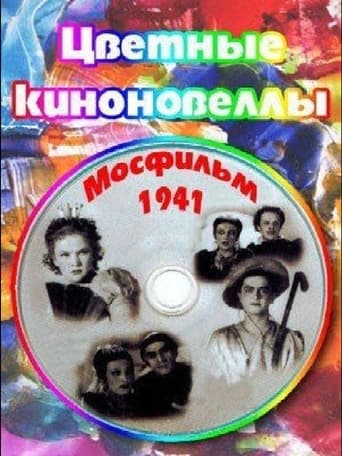
- Acted in dramatic anthology film 'Novelly' (1941)
- Contributed to Soviet cinema during the critical early WWII period
Best Known For
Must-See Films
Working Relationships
Studios
Why They Matter
Impact on Culture
Viktor Mironov represents the countless actors and filmmakers whose careers were shaped or cut short by the massive upheaval of World War II. His participation in wartime propaganda films demonstrates how cinema was mobilized as a tool for national defense and morale during the Soviet Union's darkest hour. The films he appeared in, particularly 'Collection of Films for the Armed Forces,' were part of a broader cultural effort to support the military and maintain civilian resolve during the German invasion. While his individual contribution may have been small, he was part of the collective effort that helped sustain Soviet cinema and cultural production during.
Lasting Legacy
Viktor Mironov's legacy is that of a representative figure from the generation of Soviet artists whose careers were defined or interrupted by World War II. His brief filmography shows the many actors whose potential was never fully realized due to historical circumstances. The preservation of his name in film credits ensures that even minor contributors to Soviet cinema are remembered as part of the broader cultural history of the era.
Who They Inspired
Given the brevity of his career and limited documentation, Viktor Mironov's direct influence on other actors or filmmakers cannot be traced. However, his work in wartime cinema contributed to the broader tradition of using film as a means of national unity and resistance during times of crisis, a practice that would influence Soviet and international cinema for decades to come.
Off Screen
Very little is known about Viktor Mironov's personal life due to the extremely limited documentation of his career and the chaotic historical period in which he worked. As a Soviet actor active during the early years of World War II, he likely faced the same challenges as many of his contemporaries, including potential military conscription, evacuation from major cities, and the disruption of normal civilian life.
Did You Know?
- His entire known film active years covered only one year, 1941
- Both of his films were released during the first year of the Great Patriotic War (WWII)
- 'Collection of Films for the Armed Forces #3' was part of a series of compilation films created specifically for Soviet military personnel
- The film 'Novelly' was an anthology production featuring multiple short stories
- His career coincided with the German invasion of the Soviet Union in June 1941
- Soviet cinema during this period faced extreme challenges including evacuation of studios and personnel
- Many actors of this period either served in the military or worked in evacuated film studios in Central Asia
- The limited documentation of his career is typical for minor actors from this chaotic historical period
Frequently Asked Questions
Who was Viktor Mironov?
Soviet with credits in this catalog. His work included both propaganda content for the armed forces and dramatic storytelling in anthology films.
What films is Viktor Mironov best known for?
Titles linked here include Collection of Films for the Armed Forces #3 (1941), Novelly (1941).
When was Viktor Mironov born and when did he die?
Specific birth and death dates for Viktor Mironov are not documented in available sources, which is common for minor Soviet actors from this period.
What awards did Viktor Mironov win?
There are no documented awards or nominations for Viktor Mironov, which is typical for actors with such a brief and minor film career.
What was Viktor Mironov's acting style?
Due to the limited documentation and brief nature of his career, Viktor Mironov's specific acting style cannot be determined from available sources.