
Yelena Anufriyeva
Actor
Born: November 27, 1906 in Moscow, Russian Empire Died: November 30, 1986 Active: 1931-1949 Birth Name: Yelena Dmitriyevna Anufriyeva
Films
7 films

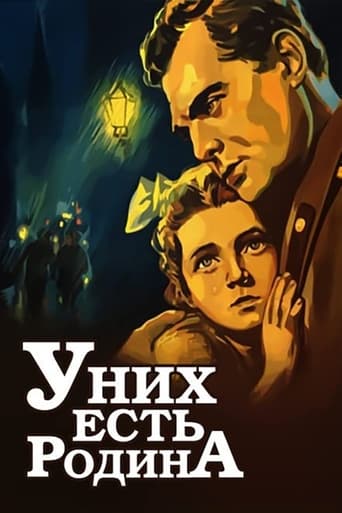
About Yelena Anufriyeva
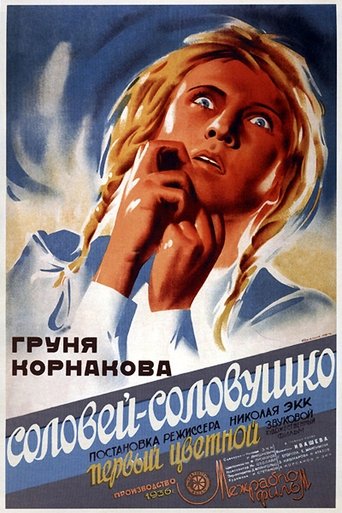
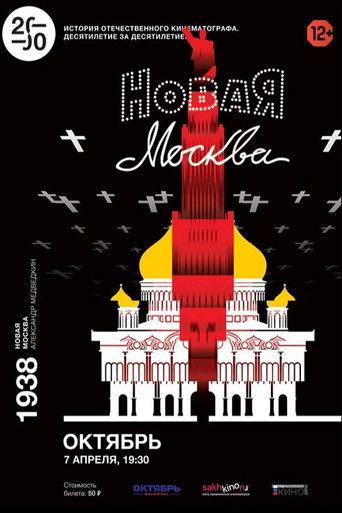
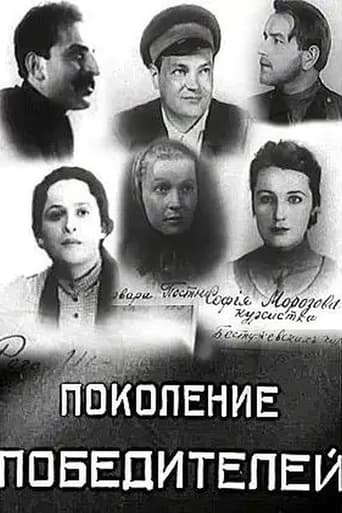
Prominent Soviet actress: nearly two decades during the formative years of Soviet cinema. Beginning her film career in 1931 with 'The Thaw,' she quickly established herself as a versatile performer capable of portraying both dramatic and comedic roles. Throughout the 1930s, she appeared in several significant Soviet productions including 'Nightingale' (1936) and 'Generation of Victors' (1936), which showcased her ability to embody the ideals of Soviet society while maintaining authentic character depth. Her performance in 'The New Moscow' (1938) demonstrated her range as she adapted to the evolving demands of socialist realism in cinema. During World War II, she contributed to the war effort through her work in 'Collection of Films for the Armed Forces #3' (1941), which was part of a series of morale-boosting productions for soldiers. Her career continued through the late 1940s, though her filmography became more sporadic as the post-war Soviet film industry underwent significant changes. Anufriyeva's body of work represents an important chapter in the development of Soviet cinema, capturing the artistic and political currents of her era.
The Craft
On Screen
Anufriyeva was known for her naturalistic approach to acting within the constraints of socialist realism, bringing authenticity to her portrayals of Soviet women and workers. Her technique emphasized emotional sincerity while maintaining the ideological requirements of Soviet cinema. She demonstrated particular skill in balancing individual character development with the collective narratives typical of films from this period.
Milestones
- Film debut in 'The Thaw' (1931) marking her entry into Soviet cinema
- Notable performances in 'Nightingale' (1936) and 'Generation of Victors' (1936)
- Key role in 'The New Moscow' (1938), a significant Soviet production
- Contributions to wartime cinema with 'Collection of Films for the Armed Forces #3' (1941)
- Established herself as a reliable character actress throughout the 1930s and 1940s
Best Known For
Iconic Roles
Must-See Films
Accolades
Special Recognition
- Honored Artist of the RSFSR (1947)
Working Relationships
Worked Often With
Studios
Why They Matter
Impact on Culture
Yelena Anufriyeva contributed to the development of Soviet cinema during its crucial formative years, helping establish the visual and narrative language of socialist realist film. Her work exemplified the Soviet ideal of the actress as both artist and cultural worker, serving the broader goals of Soviet society through cinema. Her performances in the 1930s and 1940s helped shape public understanding of Soviet values and aspirations during a period of rapid industrialization and social transformation.
Lasting Legacy
Anufriyeva's legacy lies in her contribution to the golden age of Soviet cinema, particularly in her embodiment of the socialist realist aesthetic. Her filmography serves as a valuable historical record of Soviet cinematic production during the Stalin era. While not as internationally recognized as some of her contemporaries, her work remains significant for film historians studying the development of Soviet cinema and the role of actors in creating the visual culture of the Soviet state.
Who They Inspired
Anufriyeva influenced subsequent generations of Soviet actresses through her demonstration of how to balance artistic integrity with ideological requirements. Her naturalistic approach within the constraints of socialist realism provided a model for actors who followed in the Soviet system. Her performances continue to be studied by film scholars examining the techniques and aesthetics of Soviet cinema during the 1930s and 1940s.
Off Screen
Yelena Anufriyeva lived through the dramatic transformations of Soviet society, from the revolutionary period through World War II and into the post-war era. Her career coincided with the establishment and maturation of the Soviet film industry. She remained in Moscow throughout her career and life, witnessing the city's evolution from imperial capital to the heart of Soviet power.
Education
Information not publicly available, though likely received formal training in Soviet acting techniques of the period
Family
- Information not publicly available
Did You Know?
- Her active years covered the entire period of Stalin's rule over the Soviet film industry
- She received the title 'Honored Artist of the RSFSR' in 1947, recognizing her contributions to Soviet culture
- Many of her films were propaganda pieces designed to promote Soviet ideology
- Her film 'The New Moscow' (1938) was part of a series of films celebrating Soviet urban development
- She worked during a period when Soviet cinema was heavily controlled by the state
- Her wartime film contributions were part of a broader effort to boost morale among Soviet soldiers
- Like many Soviet actors of her generation, she adapted to changing political and artistic demands throughout her career
In Their Own Words
Information not publicly available
Frequently Asked Questions
Who was Yelena Anufriyeva?
Screen credits include numerous films during the Stalin era. She was known for her work in socialist realist cinema and received the title of Honored Artist of the RSFSR in 1947.
What films is Yelena Anufriyeva best known for?
Titles linked here include The Thaw (1931), Nightingale (1936).
When was Yelena Anufriyeva born and when did she die?
Born November 27, 1906; died November 30, 1986.
What awards did Yelena Anufriyeva win?
She was awarded the title of Honored Artist of the RSFSR in 1947, recognizing her significant contributions to Soviet cinema and culture.
What was Yelena Anufriyeva's acting style?
Her acting style was characterized by naturalistic performances within the framework of socialist realism, balancing emotional authenticity with the ideological requirements of Soviet cinema.
How did Yelena Anufriyeva contribute to Soviet cinema?
She contributed to the development of Soviet cinema during its formative years, helping establish the visual language of socialist realist film and embodying the ideals of Soviet womanhood in her roles.