
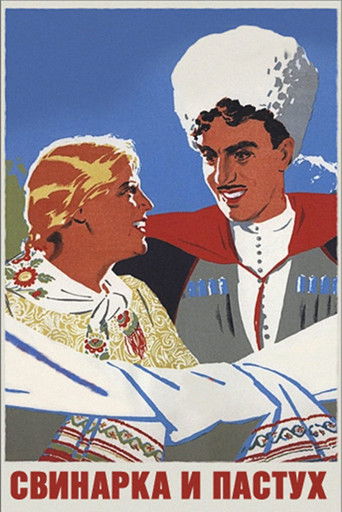
A Girl with Character
"A young girl is traveling from Siberia to Moscow in order to get help with the mink farm"
Keys: Space play/pause · ←/→ 10s · F fullscreen · M mute · </> speed
About this film
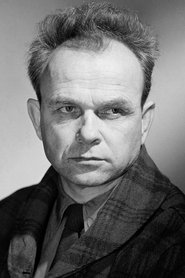
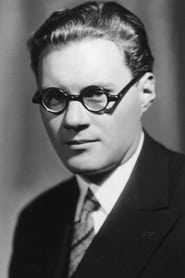
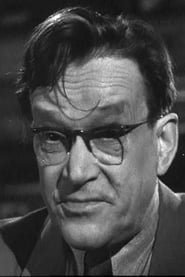
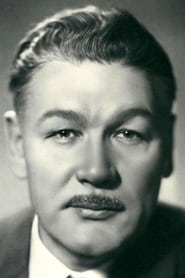
The film featured acting debuts of Mikhail Gluzsky and Anatoly Solovyov.
Cast & crew
More films like this
More Comedy films
View all →







More from Konstantin Yudin
View all →

More about this film
About the production
Release dateSeptember 25, 1939
Box officeUnknown - Soviet box office records from 1939 are not available in Western databases
ProductionMosfilm Studio
Filmed inMoscow, Soviet Union, Studio sets at Mosfilm
The film was produced during Stalin's purges but managed to avoid political controversy due to its light-hearted nature. It was one of the last comedies made before WWII dramatically changed Soviet cinema. The mink farm scenes were filmed on constructed sets as actual location shooting in Siberia was not feasible.
Themes
Individual initiative vs. bureaucratic inertiaThe role of women in Soviet societyUrban-rural relationships in the Soviet UnionThe triumph of determination over obstaclesSocialist progress and development
Themes & topics
SiberiaMoscowmink farmbureaucracydeterminationromancecomedySoviet Unionstrong female protagonistagriculture
Historical background
A Girl with Character (1939) circulated in studio-era and wartime programming. The film featured acting debuts of Mikhail Gluzsky and Anatoly Solovyov. Contemporary trade papers and later preservation notes document its place among theatrical and archive releases.
Why this film matters
A Girl with Character remains accessible to researchers and viewers as a comedy short in museum, archive, and streaming collections. Programmers cite it when tracing regional production history and surviving early prints.
Making of
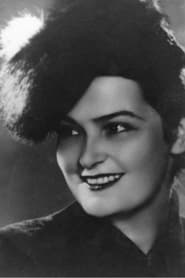
The production faced challenges typical of Soviet cinema in the late 1930s, including strict censorship and limited resources. Director Yudin, then relatively unknown, fought to maintain the film's comedic elements against pressure to include more overt socialist realism messaging. Valentina Serova's casting was controversial initially as she was considered too glamorous for the role of a Siberian farm worker, but her performance ultimately won over both critics and audiences. The film was shot quickly over three months during the summer of 1939, just weeks before the outbreak of WWII in Europe.
What critics said
Day-one reviews for A Girl with Character are sparse in digitized press archives; later criticism treats it as a reference point for 1939 cinema programming and preservation.
Did you know?
- This was director Konstantin Yudin's directorial debut, launching his successful career in Soviet comedy
- Valentina Serova became one of Stalin's favorite actresses after this film's success
- The film was briefly banned during WWII as Soviet authorities felt comedies were inappropriate during wartime
- The mink farm storyline was based on actual Soviet efforts to develop fur farming in remote regions
- Andrei Tutyshkin, who played the male lead, later became a prominent director himself
- The film was restored by Mosfilm in the 1970s and again in the 2000s
- Despite being a comedy, it contains subtle commentary on Soviet bureaucracy
- The film's success led to a sequel being planned, but WWII interrupted production
- Emma Tsesarskaya was already a veteran actress by 1939, having started in silent films
- The film was one of the few Soviet comedies of 1939 that survived Stalin's cultural purges
Awards & recognition
- Stalin Prize, Second Class (1941) - awarded to director Konstantin Yudin and lead actress Valentina Serova
Visual style
The cinematography by Anatoli Golovnya employed bright, clear lighting typical of Soviet comedies of the era, creating an optimistic visual tone. The Moscow scenes used sweeping camera movements to convey the grandeur of the Soviet capital, while the Siberia sequences employed warmer tones to suggest the rustic charm of the countryside. The film made innovative use of close-ups to highlight the emotional expressions of its characters, particularly in Serova's performance.
Innovations
While not groundbreaking technically, the film demonstrated solid craftsmanship in its use of sound recording and editing. The production team created convincing sets of both Siberian landscapes and Moscow interiors using the limited resources available at Mosfilm. The film's pacing and comedic timing were considered technically proficient for its era, with smooth transitions between dialogue and physical comedy sequences.
Music
The musical score was composed by Vano Muradeli, who created a lively, upbeat soundtrack that enhanced the film's comedic elements. The music incorporated elements of Russian folk melodies, particularly in scenes depicting Siberian life, while using more modern, orchestral arrangements for the Moscow sequences. The film featured several musical numbers that became popular in their own right, though no specific songs from the soundtrack achieved lasting fame outside the film.
Famous quotes
Character is not given by nature, it's built through struggle and determination.
Even the coldest Siberian winter can't freeze a warm heart.
In Moscow, they have rules for everything except how to get things done.
A mink farm is like life - it needs constant attention and the right kind of care.
Memorable scenes
- Varya's dramatic entrance at the Ministry of Agriculture, where she confronts skeptical officials with her Siberian directness
- The comedic sequence where Varya teaches stuffy Moscow bureaucrats about mink farming using improvised demonstrations
- The romantic scene between Varya and her love interest set against a Moscow evening backdrop
- The final celebration at the now-successful mink farm, bringing together Siberian workers and Moscow officials
What audiences thought
The film was enormously popular with Soviet audiences upon its release, becoming one of the highest-grossing domestic films of 1939. Viewers particularly enjoyed Serova's spirited performance and the film's gentle satire of bureaucracy. Despite being briefly pulled from circulation during WWII, it remained beloved by Soviet moviegoers and was frequently revived in post-war screenings. The film's popularity helped establish Valentina Serova as one of the Soviet Union's biggest stars of the 1940s.
Film connections
Influenced by
- Earlier Soviet comedies of the 1930s
- Hollywood screwball comedies (though officially denied due to ideological concerns)
- Traditional Russian folk tales featuring clever protagonists
This film influenced
- Subsequent Soviet comedies featuring strong female leads
- Post-war Soviet films about regional development
- Later works by director Konstantin Yudin
Film restoration
The film has been preserved by the Gosfilmofond of Russia and has undergone digital restoration by Mosfilm. Original nitrate elements were successfully transferred to safety stock in the 1950s. A high-definition digital restoration was completed in 2012 as part of Mosfilm's classic film restoration program. The film is considered to be in good preservation condition with all reels intact.
Where to watch
- Available on Mosfilm's official YouTube channel with English subtitles
- Included in various Soviet cinema DVD collections
- Streaming on specialized classic film platforms
- Available through some university film archives
- Occasionally screened at classic film festivals and retrospectives