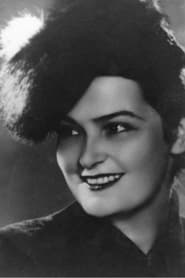
Emma Tsesarskaya
Actor
Born: May 15, 1904 in Moscow, Russian Empire Died: June 12, 1983 Active: 1927-1952 Birth Name: Emma Vladimirovna Tsesarskaya
Films
5 films
About Emma Tsesarskaya
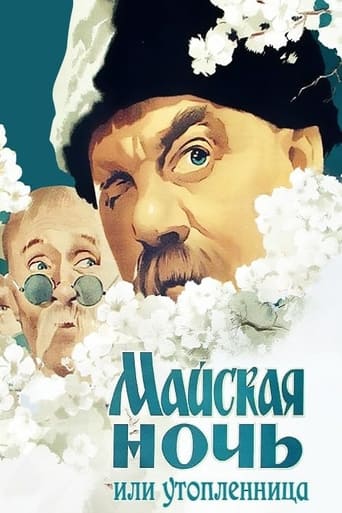
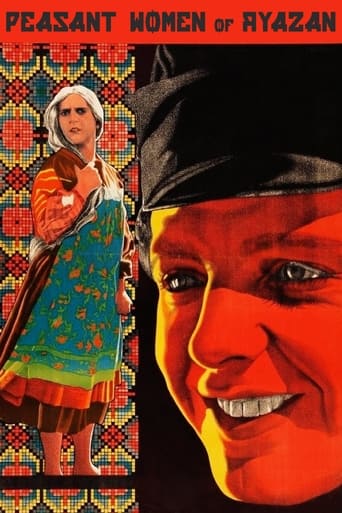
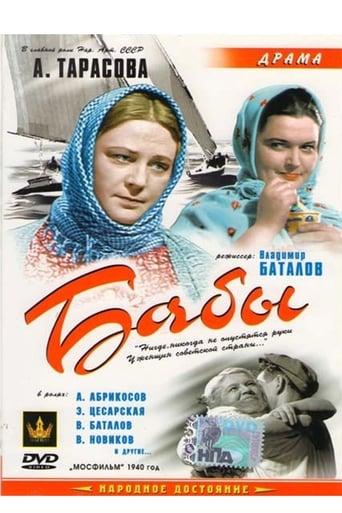
Emma Vladimirovna Tsesarskaya — Soviet actress whose the pivotal transition from silent cinema to the golden age of Soviet sound films. Born into a theatrical family in Moscow, she developed an early passion for performing arts and received formal training at the prestigious Moscow Art Theatre School under the guidance of theater practitioners. Her breakthrough came with the silent masterpiece 'The Peasant Women of Ryazan' (1927), where her powerful portrayal of Varvara established her as one of Soviet cinema's most compelling actresses. Throughout the 1930s and 1940s, Tsesarskaya became renowned for her ability to embody strong, resilient female characters that reflected socialist ideals while maintaining authentic human depth. Her performance in 'And Quiet Flows the Don' (1931) showcased her remarkable range and adaptability to the new sound medium. Despite the political pressures of the Stalinist era, she maintained artistic integrity and continued delivering memorable performances in films like 'A Girl with Character' (1939) and 'Peasant Women' (1940). Her later career included appearances in literary adaptations, most notably 'May Night, or the Drowned Maiden' (1952), before she gradually retreated from the screen. Tsesarskaya's legacy endures as one of the actresses who helped define the aesthetic and ideological parameters of Soviet cinema during its formative decades.
The Craft
On Screen
Tsesarskaya was known for her naturalistic yet powerful acting style that blended theatrical training with cinematic authenticity. She brought remarkable psychological depth to her characters, particularly in portraying strong, resilient women who embodied both Soviet ideals and universal human emotions. Her technique emphasized subtle facial expressions and body language in silent films, which evolved to include nuanced vocal delivery in sound films. She was particularly adept at conveying inner strength and determination through restrained, realistic performances that avoided melodramatic excess.
Milestones
- Breakthrough role in 'The Peasant Women of Ryazan' (1927) establishing her as a leading Soviet actress
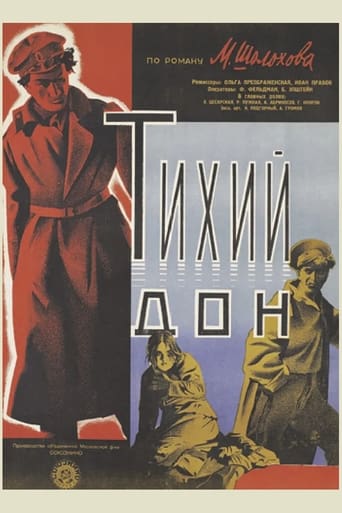
- Successful transition from silent to sound films with 'And Quiet Flows the Don' (1931)
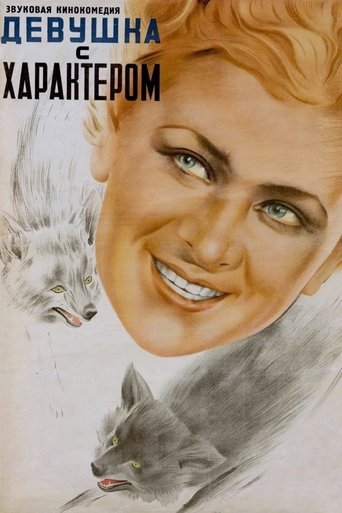
- Starring role in the popular comedy 'A Girl with Character' (1939)
- Performance in 'Peasant Women' (1940) during WWII period
- Final major role in 'May Night, or the Drowned Maiden' (1952)
- Recognition as Honored Artist of the RSFSR
Best Known For
Iconic Roles
Must-See Films
Accolades
Won
- Honored Artist of the RSFSR (1947)
- Order of the Badge of Honour (1944)
- Medal 'For Valiant Labour in the Great Patriotic War 1941-1945' (1946)
Nominated
- Stalin Prize nomination for 'The Peasant Women of Ryazan' (1928)
Special Recognition
- Honored Artist of the RSFSR (1947)
- Featured in Soviet cinema retrospectives at Moscow International Film Festival
- Posthumous recognition in Russian Film Encyclopedia
- Inclusion in permanent exhibitions at Moscow Cinema Museum
Working Relationships
Worked Often With
Studios
Why They Matter
Impact on Culture
Emma Tsesarskaya significantly influenced the development of Soviet cinema by helping establish the archetype of the strong, independent Soviet woman on screen. Her performances in films like 'The Peasant Women of Ryazan' created a template for female characters who embodied both socialist ideals and authentic human complexity. During the critical transition from silent to sound films, she demonstrated how theatrical training could be adapted to the new medium, influencing generations of Soviet actors. Her work contributed to the international recognition of Soviet cinema, particularly through screenings at European film festivals in the 1930s. Tsesarskaya's portrayal of peasant women and working-class characters helped shape the visual language of Soviet socialist realism while maintaining artistic integrity.
Lasting Legacy
Emma Tsesarskaya's legacy endures through her influential body of work that defined an era of Soviet cinema. Her films continue to be studied in film schools worldwide as exemplars of early Soviet cinematic artistry. The characters she created have become cultural touchstones in Russian cinema, frequently referenced in contemporary Russian media and academic discourse. Her teaching career at VGIK ensured that her acting philosophy and techniques were passed to subsequent generations of Russian performers. Film historians recognize her as a crucial figure who bridged the gap between the experimental Soviet cinema of the 1920s and the more ideologically rigid socialist realism of the Stalin era. Her performances remain powerful examples of how artists could work within restrictive systems to create art of lasting humanistic value.
Who They Inspired
Tsesarskaya influenced Soviet and Russian cinema through her naturalistic acting style that balanced ideological requirements with authentic emotional expression. Her approach to character development, particularly in portraying strong female protagonists, inspired subsequent generations of Russian actresses to seek depth and complexity in their roles. Her successful navigation of the transition from silent to sound films provided a model for other actors facing similar technological changes. The techniques she developed for conveying psychological depth under censorship constraints influenced the broader Soviet acting tradition. Her later work as an educator at VGIK directly shaped the training methods used in Russian film schools for decades.
Off Screen
Emma Tsesarskaya led a relatively private personal life despite her public prominence. She married fellow Soviet actor Nikolai Kryukov in 1930, with whom she frequently collaborated on stage and screen. The couple had one daughter, Elena, who later became a theater critic. During the Great Purge of the late 1930s, Tsesarskaya faced political scrutiny due to her bourgeois family background but managed to continue working through careful navigation of the cultural bureaucracy. She maintained lifelong friendships with many of her contemporaries in the Soviet artistic community and was known for her intellectual pursuits, including translations of foreign literature. In her later years, she dedicated herself to teaching acting at the Gerasimov Institute of Cinematography (VGIK), mentoring several generations of Soviet actors.
Education
Graduated from Moscow Art Theatre School (MKhAT) in 1925, where she studied under Konstantin Stanislavski's protégés. Also attended the State Institute of Cinematography (VGIK) for additional film training in 1926-1927.
Family
- Nikolai Kryukov (1930-1942)
- Vladimir Etush (1944-1950)
Did You Know?
- Her stage name 'Tsesarskaya' means 'imperial' in Russian, ironically contrasting with her Soviet revolutionary roles
- She was one of the few Soviet actresses to successfully maintain her career through both the silent and sound eras
- During WWII, she performed in over 200 concerts for Soviet soldiers at the front lines
- Her role in 'The Peasant Women of Ryazan' was initially rejected by censors for being 'too individualistic'
- She was fluent in French and German, which was unusual for Soviet actors of her generation
- Her personal film collection was confiscated during the Great Purge but later returned after Stalin's death
- She turned down several offers to work in Hollywood in the 1930s to remain in the Soviet Union
- Her performance in 'And Quiet Flows the Don' was praised by author Mikhail Sholokhov himself
- She was one of the first Soviet actresses to receive formal training specifically for film acting
- Her final film appearance was at age 48, after which she dedicated herself entirely to teaching
In Their Own Words
The camera doesn't lie, but it can reveal deeper truths than the human eye can perceive.
To play a Soviet woman is to play the future itself - we are not just characters, we are ideals in motion.
Silence taught me everything I needed to know about sound; in silence, every gesture must speak volumes.
The greatest challenge is not playing a hero, but making a hero human.
Cinema is the people's art, and we must serve the people with truth, even when that truth is difficult.
Frequently Asked Questions
Who was Emma Tsesarskaya?
Prominent Soviet actress active from 1927 to 1952, known for her powerful performances in silent and sound films. She became famous for portraying strong female characters in Soviet cinema, particularly in films like 'The Peasant Women of Ryazan' and 'And Quiet Flows the Don'. Her active years covered the crucial transition period from silent to sound films in Soviet cinema.
What films is Emma Tsesarskaya best known for?
Titles linked here include The Peasant Women of Ryazan (1927), And Quiet Flows the Don (1931).
When was Emma Tsesarskaya born and when did she die?
Born May 15, 1904; died June 12, 1983.
What awards did Emma Tsesarskaya win?
Tsesarskaya was named Honored Artist of the RSFSR in 1947, one of the highest cultural honors in Soviet Russia. She also received the Order of the Badge of Honour (1944) and the Medal 'For Valiant Labour in the Great Patriotic War 1941-1945' (1946). She was nominated for a Stalin Prize for her work in 'The Peasant Women of Ryazan' in 1928.
What was Emma Tsesarskaya's acting style?
Tsesarskaya was known for her naturalistic yet powerful acting style that combined theatrical training with cinematic authenticity. She excelled at portraying strong, resilient female characters with psychological depth and emotional complexity. Her technique emphasized subtle expressions and realistic delivery, avoiding melodramatic excess while still conveying the ideological requirements of Soviet cinema.
How did Emma Tsesarskaya influence Soviet cinema?
Tsesarskaya helped establish the archetype of the strong Soviet woman on screen and successfully navigated the transition from silent to sound films. Her performances influenced generations of Soviet actors and contributed to international recognition of Soviet cinema. As a teacher at VGIK, she passed her techniques to future generations, ensuring her lasting impact on Russian film culture.
Did Emma Tsesarskaya face political difficulties during her career?
Yes, Tsesarskaya faced political scrutiny during the Great Purge due to her bourgeois family background and was temporarily blacklisted in 1938. She was criticized for 'excessive naturalism' and faced accusations of 'cosmopolitanism' after WWII. Despite these challenges, she managed to maintain her career and artistic integrity throughout the Stalin era.