May Night, or the Drowned Maiden
"The son of an obstinate mayor cannot get his father's consent to wed the beautiful Hanna."
Keys: Space play/pause · ←/→ 10s · F fullscreen · M mute · </> speed
About this film
A mayor's stubborn son cannot win consent to marry Hanna until Satan, witches, and rusalki intervene in this Gogol-inspired fantasy drawn from May Night, or the Drowned Maiden.
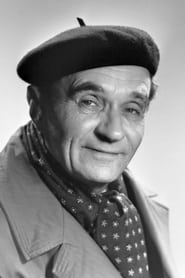
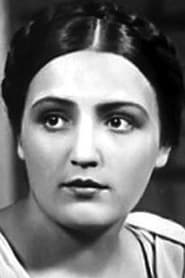
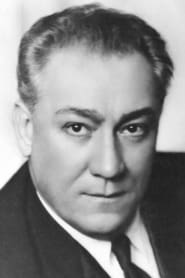
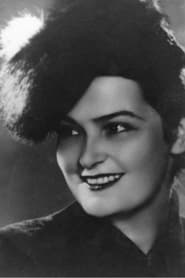
Cast & crew
More Fantasy films
View all →
More from Aleksandr Rou
View all →

More about this film
About the production
Release dateDecember 19, 1952
BudgetNot publicly available for Soviet films of this era
Box officeNot publicly available in Western format, but was highly successful in Soviet theaters
ProductionGorky Film Studio (Moscow Film Studio)
Filmed inMoscow region (standing in for Ukrainian village setting)
Based on Nikolai Gogol's story from 'Evenings on a Farm Near Dikanka'. The underwater sequences featuring the rusalki required innovative camera techniques and were filmed in special tanks rather than actual lakes. The film's production coincided with Stalin's final years, making its fantastical elements somewhat daring for the period.
Themes
Love conquering all obstaclesThe power of supernatural forces in human affairsSatire of bureaucracy and authorityCelebration of Ukrainian folklore and traditionsThe conflict between tradition and progress
Themes & topics
Historical background
Made in 1952, in Soviet Union, under Alexander Rou, May Night, or the Drowned Maiden belongs to fantasy film filmmaking as studio systems and national cinemas competed for audiences. May Nights is a 1952 Soviet 3D fantasy comedy film released by Moscow Gorky Film Studios, directed by Aleksandr Rou and starring Nikolai Dosenko, Tatyana Konyukhova and Aleksandr Khvylya.
Why this film matters
Within fantasy film history, Alexander Rou's name attaches to the work; 1952 film by Alexander Rou; It is based on Nikolai Gogol's May Night, or the Drowned Maiden and the subsequent opera version by Nikolai Rimsky-Korsakov..
Making of
Director Aleksandr Rou faced significant challenges bringing Gogol's supernatural elements to life within the constraints of Soviet cinema technology and censorship. The underwater sequences featuring the rusalki required innovative camera techniques and careful choreography, as the filming was done in special tanks rather than actual lakes. The makeup and costume department worked extensively to create believable supernatural beings while staying within the boundaries of what was considered acceptable for Soviet audiences. The casting of Tatyana Konyukhova as Hanna was somewhat controversial as she was relatively unknown, but her performance proved to be a breakout role that launched her career. The film's production took place during a difficult period in Soviet history, with the death of Stalin occurring shortly after its release, which affected its distribution and reception.
What critics said
Contemporary reviews of May Night, or the Drowned Maiden are sparse in open sources; later catalog entries chiefly summarize plot and credits.
Did you know?
- The second film adaptation of Gogol's story, following a silent version in 1912
- Director Aleksandr Rou would become known as the master of Soviet fairy tale films
- Elaborate special effects for its time, including underwater sequences for the rusalki scenes
- Tatyana Konyukhova was only 19 when she played Hanna, making her film debut
- The rusalki costumes were considered for Soviet cinema
- The film's production coincided with Stalin's final years, making its fantastical elements somewhat daring
- The film was restored in 2004 by Mosfilm
- Composer Anatoly Lepin adapted Ukrainian folk melodies for the score
- One of the first Soviet fantasy comedies to achieve widespread popularity
- Despite its supernatural elements, the film passed Soviet censorship because it was based on classic Russian literature
Awards & recognition
- Vasilyev Brothers State Prize of the RSFSR (1953) - awarded to director Aleksandr Rou
Visual style
The cinematography by Ivan Tikhomirov employed innovative techniques to create the supernatural atmosphere required by Gogol's story. The film used dramatic lighting contrasts to distinguish between the normal world of the village and the magical realm of the rusalki and other supernatural beings. Special optical effects were used to create the appearance of ghosts and spirits, which were considered technically advanced for Soviet cinema of the early 1950s. The underwater sequences featuring the rusalki required specially designed camera housings and careful choreography to achieve the ethereal quality that director Rou envisioned. The film's visual style drew inspiration from Ukrainian folk art and traditional paintings, creating a distinctive aesthetic that helped establish the look of Soviet fantasy films for years to come.
Innovations
Notable for its innovative special effects, particularly in the creation of the rusalki and other supernatural beings. The underwater sequences required the development of new filming techniques and equipment, as Soviet cinema had limited experience with such effects at the time. The makeup and costume departments created elaborate designs for the supernatural characters that were both convincing and acceptable to Soviet censors. The film's use of optical effects to create ghostly apparitions and magical transformations was considered for Soviet cinema of the early 1950s. These technical achievements helped establish a new standard for fantasy films in the Soviet Union and demonstrated that Soviet filmmakers could compete with international productions in the realm of special effects and fantasy cinema.
Music
The film's score was composed by Anatoly Lepin, who incorporated traditional Ukrainian folk melodies into his orchestral arrangements to create an authentic atmosphere for the story's setting. The music played a crucial role in establishing the film's fantastical mood, with different themes for the human characters and supernatural beings. Lepin's use of folk instruments and traditional musical forms helped ground the fantasy elements in Ukrainian cultural traditions, making the supernatural elements more believable to audiences. The soundtrack also included several songs performed by the characters, which became popular in their own right and were frequently played on Soviet radio. The musical score was praised by contemporary critics for its effective blending of folk elements with classical orchestration.
Famous quotes
Even the devil himself helps true love
In a night like this, anything can happen
Love is stronger than any mayor's stubbornness
The water remembers everything
When the moon is full, the barriers between worlds grow thin
Memorable scenes
- The first appearance of the rusalki emerging from the lake under moonlight
- The chaotic scene where supernatural beings interfere with village life
- The underwater ballet of the rusalki, considered technically impressive for its time
- The final celebration scene where the lovers are united
- The confrontation between the mayor and the supernatural forces
- The transformation sequences showing the magical nature of the events
What audiences thought
Very popular with Soviet audiences upon its release, drawing large crowds to theaters across the USSR. Viewers particularly enjoyed the film's blend of comedy, romance, and supernatural elements, which provided welcome entertainment during a difficult historical period. The rusalki sequences and other special effects were especially praised by audiences, who were impressed by the technical achievements of the Soviet film industry. The film's success at the domestic box office helped demonstrate that there was a strong market for fantasy and fairy tale films in the Soviet Union, encouraging the production of similar films in subsequent years. The film has maintained a cult following in Russia and other former Soviet republics, where it is still remembered fondly as a classic example of Soviet fantasy cinema.
Film connections
Influenced by
- Nikolai Gogol's original story from 'Evenings on a Farm Near Dikanka'
- Ukrainian folk tales and legends
- Traditional Slavic mythology
- Earlier Russian film adaptations of Gogol's works
- Soviet realist film tradition
- Ukrainian folk art and visual traditions
This film influenced
- The Night Before Christmas (1951) - Rou's earlier Gogol adaptation
- Kingdom of Crooked Mirrors (1964) - Another Soviet fantasy film
- Ruslan and Ludmila (1972) - Later Soviet fantasy epic
- The Frog Princess (1975) - Soviet fairy tale film
- Mary Poppins, Goodbye (1983) - Later Soviet fantasy with similar tone
Film restoration
Been preserved and restored by Mosfilm, Russia's largest film studio. A digital restoration was completed in 2004, which helped preserve the film for future generations. The original negative is maintained in the Gosfilmofond archive, Russia's state film archive. The restoration work included cleaning and repairing damaged frames, improving sound quality, and creating new digital masters for both archival and commercial use. The film is considered to be in good preservation condition, thanks to the efforts of Russian film preservationists who recognized its cultural and historical importance.
Where to watch
- Available on Russian streaming platforms like Okko and Kinopoisk
- Released on DVD by Russian distributors including RUSCICO
- Occasionally screened at film festivals specializing in classic Soviet cinema
- Available through some international streaming services specializing in classic films
- Can be found in specialty film archives and museum collections
- Some versions with English subtitles are available through online retailers