Films
2 films

About Anton Dunaysky
Soviet actor who worked primarily during the 1940s and early 1950s, appearing in several notable films of the Stalinist era. His a decade during which he contributed to Soviet cinema's golden age of socialist realism. Dunaysky is best remembered for his role in the adaptation of Nikolai Ostrovsky's novel 'How the Steel Was Tempered' in 1942, Soviet literary adaptations of its time. He also appeared in 'May Night, or the Drowned Maiden' (1952), demonstrating his versatility across different genres from war dramas to literary adaptations. His performances were characterized by a naturalistic approach that aligned with the Soviet acting school of the period. Though his filmography was relatively brief, his work in these significant productions has ensured his place in Soviet cinema history. Details about his early life and training remain scarce in available records, but his contributions to classic Soviet cinema are documented through his surviving film work.
The Craft
On Screen
Dunaysky employed a naturalistic acting style characteristic of the Soviet theatrical tradition, emphasizing emotional authenticity while adhering to the requirements of socialist realism. His performances combined technical precision with genuine emotional depth, allowing him to portray working-class characters with dignity and conviction. His approach was rooted in the Stanislavski system, which dominated Soviet acting training during his era.
Milestones
- Starred in 'How the Steel Was Tempered' (1942),
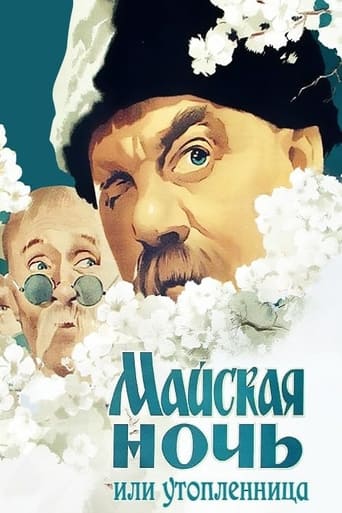
- Appeared in 'May Night, or the Drowned Maiden' (1952), a literary adaptation
- Worked during the peak of Soviet socialist realism cinema
- Contributed to classic Soviet film adaptations of literature
Best Known For
Iconic Roles
Must-See Films
Accolades
Special Recognition
- Contributions to Soviet cinema recognized through preservation of his films
Working Relationships
Worked Often With
Studios
Why They Matter
Impact on Culture
Anton Dunaysky contributed to Soviet cinema during a critical period when film was used as a tool for social education and cultural expression. His role in 'How the Steel Was Tempered' helped bring. The film served as both entertainment and propaganda, embodying the ideals of socialist heroism that the Soviet state sought to promote. His work in literary adaptations helped bridge the gap between classic Russian literature and contemporary cinema, making these important cultural works accessible to broader audiences.
Lasting Legacy
Though not widely known internationally, Anton Dunaysky's legacy endures through his contributions to classic Soviet cinema. His performances in significant film adaptations have been preserved as part of Russia's cultural heritage, continuing to be studied by film historians and cinema enthusiasts. His work represents the acting style and cinematic values of mid-20th century Soviet film production, serving as a historical document of that era's artistic approach. The films he appeared in remain important examples of socialist realism cinema and continue to be referenced in discussions of Soviet cultural history.
Who They Inspired
As a character actor during the Soviet era, Dunaysky's influence was primarily through his example of professional dedication to the craft of acting within the constraints of the state-controlled film industry. His naturalistic approach to portraying working-class characters helped establish templates for subsequent generations of Soviet actors in similar roles. While he did not achieve the level of stardom that would have made him a direct mentor to younger actors, his work in major productions contributed to the artistic standards that influenced Soviet cinema throughout the 1940s and 1950s.
Off Screen
Very limited information is available about Anton Dunaysky's personal life in existing records. Like many Soviet actors of his generation, he maintained a relatively private life outside of his film work. His career coincided with a particularly challenging period in Soviet history, including World War II and the post-war Stalin era.
Education
Likely trained at a Soviet theatrical institute, though specific details are not available in current records
Did You Know?
- Appeared in 'How the Steel Was Tempered' during World War II, when Soviet cinema was focused on patriotic and morale-boosting productions
- The novel 'How the Steel Was Tempered' was
- His film active years covered exactly one decade, from 1942 to 1952
- Worked during the Stalin era, when Soviet cinema was under strict state control
- 'May Night, or the Drowned Maiden' was based on a story by Nikolai Gogol
- Soviet actors of his generation often had backgrounds in theater before transitioning to film
- His films were produced by state-run studios, as was standard in the Soviet Union
- The 1940s marked a peak in Soviet film production despite the challenges of World War II
Frequently Asked Questions
Who was Anton Dunaysky?
Soviet with credits in this catalog. He worked during the Stalin era and contributed to Soviet cinema's golden age of socialist realism.
What films is Anton Dunaysky best known for?
Titles linked here include How the Steel Was Tempered (1942), May Night, or the Drowned Maiden (1952).
When was Anton Dunaysky born and when did he die?
Born 1905; died 1958.
What awards did Anton Dunaysky win?
There are no documented awards or nominations for Anton Dunaysky in available records, which was not uncommon for character actors in the Soviet film industry of his era. His recognition comes primarily through his participation in historically significant Soviet films.
What was Anton Dunaysky's acting style?
Dunaysky employed a naturalistic acting style rooted in the Stanislavski system, characteristic of Soviet actors of his generation. His approach emphasized emotional authenticity while adhering to the principles of socialist realism, allowing him to portray working-class characters with dignity and conviction.
How did Anton Dunaysky contribute to Soviet cinema?
Dunaysky contributed to Soviet cinema by helping bring important literary works to the screen during a critical historical period. His role in 'How the Steel Was Tempered' helped create.
Why is Anton Dunaysky's work historically significant?
His work is historically significant because it represents the artistic values and cinematic techniques of mid-20th century Soviet film production. The films he appeared in are important examples of socialist realism cinema and continue to be studied as cultural artifacts of the Stalin era.