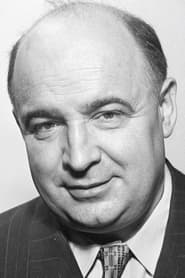
Aleksandr Rou
Director
Born: February 24, 1906 in Yevpatoria, Russian Empire (now Crimea, Ukraine) Died: December 28, 1973 Active: 1929-1973 Birth Name: Aleksandr Arturovich Rou
Films
5 films


About Aleksandr Rou
Aleksandr Arturovich Rou — Soviet film director who became the master of cinematic fairy tales and fantasy films. Born to a French father and Russian mother in Crimea, Rou began his career as an assistant director at the Kiev film studio before moving to Moscow's Mosfilm. His breakthrough came with 'Wish upon a Pike' (1938), which established his signature style of blending Russian folklore with innovative visual effects. During World War II, he continued creating fantastical films that provided escapism and cultural pride for Soviet audiences. Rou's most productive period spanned from the late 1930s through the 1960s, during which he directed numerous beloved adaptations of Slavic fairy tales. His films were characterized by elaborate sets, imaginative special effects, and a unique visual language that brought folklore to life. Rou continued working until his death in 1973, leaving behind a legacy of over 20 feature films that became cultural touchstones for generations of Soviet and Russian children.
The Craft
Behind the Camera
Rou's directing style was characterized by a unique blend of theatrical spectacle and cinematic innovation, specializing in bringing Russian folklore to life through elaborate sets, inventive special effects, and vivid visual storytelling. He employed a painterly approach to composition, using rich colors and detailed production design to create fantastical worlds that felt both magical and authentically Slavic. His films often featured a mix of live action with stop-motion animation, rear projection, and other techniques of the era. Rou had a particular talent for working with child actors and creating films that appealed to both children and adults through layered storytelling and visual sophistication.
Milestones
- Directed breakthrough film 'Wish upon a Pike' (1938)
- Created 'Vassilisa the Beautiful' (1939), one of the first Soviet color films
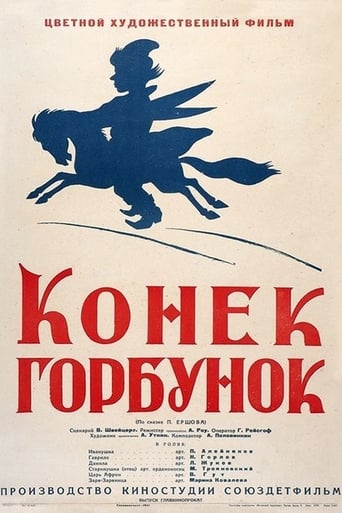
- Directed 'The Humpbacked Horse' (1941), his most internationally recognized work
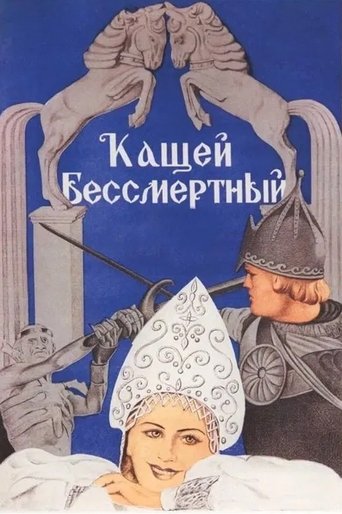
- Made 'Kashchey the Immortal' (1944) during WWII
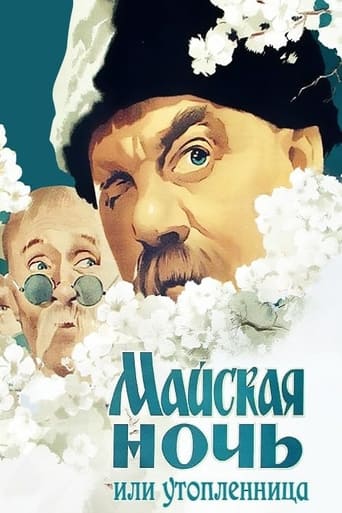
- Directed 'May Night, or the Drowned Maiden' (1952)
- Created 'Jack Frost' (1964), which gained international distribution
- Directed 'Fire, Water, and Brass Pipes' (1968)
- Received the title of People's Artist of the RSFSR in 1968
Best Known For
Must-See Films
Accolades
Won
- Stalin Prize, 2nd class (1942) for 'The Humpbacked Horse'
- Stalin Prize, 2nd class (1948) for 'The Tale of the Fisherman and the Fish'
- Order of the Red Banner of Labour (1966)
- People's Artist of the RSFSR (1968)
- Order of the Badge of Honour
Nominated
- Venice Film Festival nomination for 'The Humpbacked Horse' (1941)
Special Recognition
- People's Artist of the RSFSR (1968)
- Multiple state honors and recognitions throughout Soviet career
Working Relationships
Worked Often With
Studios
Why They Matter
Impact on Culture
Aleksandr Rou fundamentally shaped Soviet and Russian cinema's approach to fantasy and folklore, creating a visual language for fairy tales that influenced generations of filmmakers. His films became cultural institutions, with annual television broadcasts of his works becoming holiday traditions for Soviet families. Rou's adaptations of Russian folklore helped preserve and popularize traditional stories during a period when the Soviet government was often ambivalent about folk culture. His international success, particularly with 'The Humpbacked Horse,' helped demonstrate that Soviet cinema could compete globally in the fantasy genre. The visual techniques and storytelling methods he developed continue to influence Russian fantasy cinema today, with many contemporary directors citing him as a primary influence.
Lasting Legacy
Rou's legacy endures through his films, which remain beloved classics in Russia and former Soviet republics, regularly broadcast on television and studied in film schools. His work represents the pinnacle of Soviet fantasy cinema, blending technical innovation with deep cultural roots. Many of his films have been restored and digitally remastered for new generations, introducing his unique vision to contemporary audiences. The 'Rou style' of fairy tale filmmaking—characterized by elaborate production design, theatrical performances, and inventive special effects—has become a template for Russian fantasy productions. His films are frequently referenced in Russian popular culture, and his characters have become archetypal representations of folklore figures.
Who They Inspired
Rou influenced numerous Soviet and Russian directors who followed in his footsteps, particularly those working in children's cinema and fantasy genres. His visual techniques, especially his use of special effects to create magical transformations, were studied and emulated by later filmmakers. Directors like Aleksandr Ptushko and later Eldar Ryazanov acknowledged Rou's impact on their work. His success proved that fantasy films could be both artistically ambitious and commercially successful in the Soviet system, paving the way for more ambitious projects in the genre. International filmmakers, particularly those working in fairy tale adaptations, have also drawn inspiration from his unique visual storytelling approach.
Off Screen
Rou was married twice during his lifetime. His first marriage was to actress Nina Nikitina, with whom he had a son. After their divorce, he married his second wife, Valentina, who remained with him until his death. Despite his professional success, Rou maintained a relatively private personal life, focusing primarily on his work. His mixed heritage (French father, Russian mother) influenced his worldview and artistic sensibility, allowing him to bring a unique perspective to traditional Russian folklore. He was known as a demanding but fair director who maintained long-lasting professional relationships with many actors and crew members.
Education
Graduated from the State Technical School of Cinematography in 1929
Family
- Nina Nikitina (1930s-1940s)
- Valentina Rou (1940s-1973)
Did You Know?
- His father was French, which gave him a unique perspective on Russian culture
- 'Vassilisa the Beautiful' was one of the first Soviet color films
- Actor Georgy Millyar appeared in nearly all of Rou's films, often playing multiple roles
- His films were frequently censored or modified to align with Soviet ideology
- Despite being children's films, his works contained subtle political commentary
- His film 'Jack Frost' was distributed in the United States by American International Pictures
- Many of his films were shot at the same film studio where Sergei Eisenstein worked
- He was known for his meticulous attention to detail in set design and costumes
- His films often featured complex practical effects that were groundbreaking for their time
- Several of his films were based on stories by Alexander Pushkin and other Russian literary classics
In Their Own Words
Cinema must create miracles, not just show reality
Every fairy tale is a window into the soul of a people
Children deserve the same artistic quality as adults, perhaps even more
Magic on screen begins with magic in the director's heart
We don't just film fairy tales—we bring dreams to life
Frequently Asked Questions
Who was Aleksandr Rou?
Celebrated Soviet on YTB.my. He directed numerous beloved adaptations of Russian folklore from the 1930s through the 1970s, creating a unique visual style that brought magical stories to life for generations of Soviet audiences.
What films is Aleksandr Rou best known for?
Titles linked here include Wish upon a Pike (1938), Vassilisa the Beautiful (1939).
When was Aleksandr Rou born and when did he die?
Born February 24, 1906; died December 28, 1973.
What awards did Aleksandr Rou win?
Rou received numerous prestigious awards including two Stalin Prizes (1942 and 1948), the Order of the Red Banner of Labour (1966), and was named People's Artist of the RSFSR in 1968. He also received various other state honors throughout his career.
What was Aleksandr Rou's directing style?
Rou's directing style combined theatrical spectacle with cinematic innovation, featuring elaborate sets, inventive special effects, and vivid visual storytelling. He pioneered techniques for creating magical transformations on screen and had a painterly approach to composition, using rich colors and detailed production design to create fantastical worlds rooted in Slavic folklore.