Films
1 film
About Tatyana Konyukhova
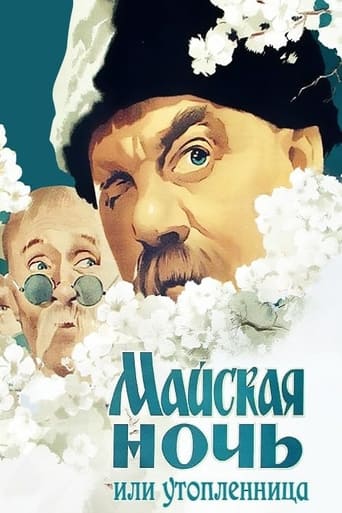
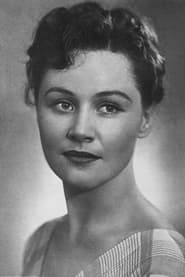
Made her mark in cinema with a single but memorable performance in the 1952 film 'May Night, or the Drowned Maiden. ' Based on Nikolai Gogol's celebrated work, this film adaptation provided Konyukhova with the opportunity to showcase her talent during the early years of Soviet cinema's post-war renaissance. Her appearance in this literary adaptation came during a period when Soviet filmmakers were increasingly turning to classic Russian literature for source material, creating opportunities for young actors to bring beloved characters to life. While her film career appears to have been brief, consisting primarily of this single credited role, her contribution to this important adaptation of Gogol's work represents a significant moment in Soviet cinematic history. The film itself was directed by Aleksandr Rou, who would later become renowned for his fantasy films, suggesting that Konyukhova worked with emerging talent of the era. Her performance, though part of a limited filmography, contributed to the preservation of Russian literary classics on screen during a crucial period of Soviet cultural development.
The Craft
Milestones
- Starred in 'May Night, or the Drowned Maiden' (1952)
- Participated in adaptation of Gogol's classic work
- Worked with director Aleksandr Rou during his early career period
Best Known For
Iconic Roles
Must-See Films
Working Relationships
Worked Often With
Studios
Why They Matter
Impact on Culture
Tatyana Konyukhova's contribution to Soviet cinema, while limited to a single film appearance, represents the broader cultural movement of the early 1950s when Soviet filmmakers were actively adapting classic Russian literature for the screen. Her participation in 'May Night, or the Drowned Maiden' helped preserve Gogol's work for future generations and contributed to the post-war revival of Soviet fantasy and folklore cinema. The film itself became part of the cultural heritage, introducing classic Russian literature to cinema audiences and demonstrating the enduring appeal of Gogol's supernatural tales. Though her individual impact may seem modest, she was part of a collective effort to maintain cultural continuity during a period of significant political and social change in the Soviet Union.
Lasting Legacy
Tatyana Konyukhova's legacy is preserved through her contribution to one of the early film adaptations of Nikolai Gogol's works, a significant achievement in Soviet cinema history. Her performance in 'May Night, or the Drowned Maiden' ensures her place in the annals of Russian film history, particularly in the genre of literary adaptations. The film itself has become a cultural artifact, representing both the technical and artistic capabilities of Soviet cinema in the early 1950s. While her career may not have been extensive, her participation in this important adaptation demonstrates the role that actors, even those with brief filmographies, play in the preservation and transmission of cultural heritage through cinema.
Who They Inspired
Due to the limited scope of her documented film career, specific information about Tatyana Konyukhova's influence on other actors or filmmakers is not readily available. However, her work in literary adaptations contributed to the tradition of bringing classic Russian literature to the screen, a practice that would continue to influence Soviet and Russian cinema for decades to come.
Off Screen
Very limited information is available about Tatyana Konyukhova's personal life, which is not uncommon for Soviet-era actors who had brief film careers or primarily worked in other theatrical mediums.
Did You Know?
- Appeared in only one credited film role according to available records
- Worked with director Aleksandr Rou, who later became famous for fantasy films
- Participated in an adaptation of Nikolai Gogol's work, one of Russia's most celebrated authors
- The film 'May Night, or the Drowned Maiden' was produced by Gorky Film Studio, one of the Soviet Union's oldest and most prestigious film studios
- Her film came during the early post-Stalin period when Soviet cinema was experiencing greater artistic freedom
- The film is based on Gogol's 1831 collection 'Evenings on a Farm Near Dikanka'
- Gorky Film Studio was particularly known for producing adaptations of classic Russian literature
Frequently Asked Questions
Who was Tatyana Konyukhova?
Soviet actress best known for her role in the 1952 film 'May Night, or the Drowned Maiden,' an adaptation of Nikolai Gogol's classic work. Her film career appears to have been brief, with this being her primary credited role.
What films is Tatyana Konyukhova best known for?
Titles linked here include May Night, or the Drowned Maiden (1952).
When was Tatyana Konyukhova born and when did she die?
Specific birth and death dates for Tatyana Konyukhova are not readily available in documented sources, which is not uncommon for Soviet-era actors with limited filmographies.
What awards did Tatyana Konyukhova win?
There are no documented awards or nominations for Tatyana Konyukhova in available film history sources, which may be related to the brief nature of her film career.
What was Tatyana Konyukhova's acting style?
While specific details about her acting style are not extensively documented, her participation in a literary adaptation suggests she was capable of handling the nuanced requirements of bringing classic Russian characters to life on screen.
Did Tatyana Konyukhova work with other famous filmmakers?
She worked with director Aleksandr Rou, who would later become renowned for his fantasy and fairy tale films in Soviet cinema, though this was during his early career period.