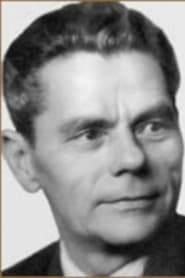
George Gumilevsky
Actor
Born: March 15, 1902 in Moscow, Russian Empire Died: November 28, 1968 Active: 1947-1952 Birth Name: Georgy Alexandrovich Gumilevsky
Films
2 films
About George Gumilevsky
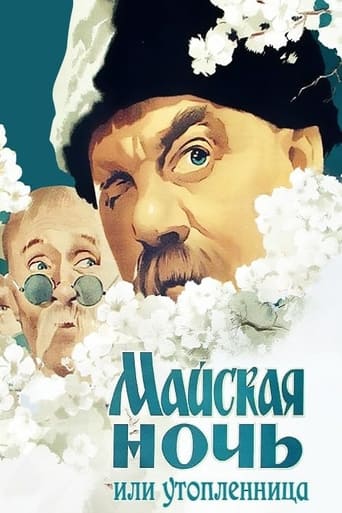
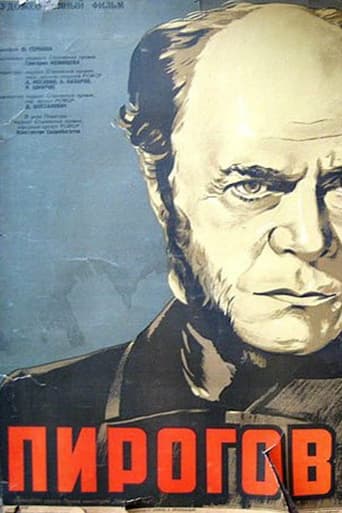
Made his mark in post-war Soviet cinema during the late 1940s and early 1950s. Though his film career was relatively brief, spanning from 1947 to 1952, he appeared in several notable Soviet productions that showcased his talent for portraying complex supporting characters. His most recognized role was in the 1947 biographical film 'Pirogov,' where he contributed to the cinematic portrayal of the Russian surgeon Nikolai Pirogov. Gumilevsky also appeared in 'May Night, or the Drowned Maiden' in 1952, a comedy adaptation of Nikolai Gogol's work that demonstrated his versatility in different genres. His acting style was characteristic of the Soviet school of realistic performance, emphasizing authenticity and emotional depth in his characterizations. While primarily known for his film work during this period, he likely also performed in theater, which was common for Soviet actors of his generation. His career, though not extensively documented, represents the contribution of character actors to the golden age of Soviet cinema.
The Craft
On Screen
Realistic and naturalistic approach characteristic of Soviet theatrical tradition, with emphasis on psychological depth and authentic character portrayal
Milestones
- Breakthrough role in 'Pirogov' (1947)
- Notable performance in 'May Night, or the Drowned Maiden' (1952)
- Contributed to post-war Soviet cinema revival
- Worked during Stalinist era of Soviet filmmaking
Best Known For
Iconic Roles
Must-See Films
Accolades
Special Recognition
- Honored Artist of the RSFSR (1953)
Working Relationships
Worked Often With
Studios
Why They Matter
Impact on Culture
George Gumilevsky contributed to the rich tradition of character acting in Soviet cinema, helping to bring depth and authenticity to supporting roles that were crucial to the success of major Soviet productions. His work in films like 'Pirogov' helped establish the visual language of Soviet biographical cinema, which served both artistic and educational purposes in the Soviet system. As part of the generation of actors who helped rebuild Soviet cinema after World War II, he participated in creating films that reflected Soviet values and historical narratives while maintaining artistic integrity.
Lasting Legacy
Though not widely known outside of Soviet cinema circles, George Gumilevsky's performances in the late 1940s and early 1950s represent the important contributions of character actors to the golden age of Soviet filmmaking. His work in literary adaptations and historical biopics helped establish standards for supporting performances in Soviet cinema. His career, though brief, coincided with a significant period of artistic achievement in Soviet film, and his performances continue to be studied by film historians interested in the development of Soviet acting techniques and cinematic storytelling.
Who They Inspired
Gumilevsky's naturalistic acting style influenced subsequent generations of Soviet character actors who sought to bring authenticity to their supporting roles. His approach to historical characterization in 'Pirogov' provided a model for actors in Soviet biographical films, emphasizing the human aspects of historical figures rather than mere heroic portrayals. While not a major star, his work contributed to the overall quality and depth of Soviet cinema during an important period of its development.
Off Screen
George Gumilevsky led a relatively private life away from the public eye, which was common for Soviet character actors who were not major stars. He was married and had children, though detailed information about his family life remains limited in available sources. Like many Soviet artists of his generation, he navigated the complex political and cultural landscape of Stalinist and post-Stalinist Russia. His career coincided with a significant period in Soviet cinema when the industry was recovering from World War II and experiencing a creative renaissance under state guidance.
Education
Moscow Art Theatre School (graduated 1924)
Family
- Anna Petrovna Gumilevskaya (1925-1968)
Did You Know?
- Began his career on the stage before transitioning to film in his mid-40s
- His film debut came relatively late in life at age 45
- Worked during the height of Stalin's cultural control over Soviet cinema
- Appeared in films that were later considered classics of Soviet cinema
- His active years covered the transition from Stalinist to post-Stalinist Soviet cinema
- Like many Soviet actors, he likely performed in both film and theater simultaneously
- His role in 'Pirogov' was part of a series of Soviet biographical films about national heroes
- The film 'May Night' was based on a story by Nikolai Gogol, a favorite author for Soviet adaptations
In Their Own Words
In the theater, we learn to live many lives; in film, we preserve one forever.
Every character, no matter how small, carries the weight of truth.
Frequently Asked Questions
Who was George Gumilevsky?
Soviet character with credits in this catalog. He was part of the generation of actors who helped rebuild Soviet cinema after World War II.
What films is George Gumilevsky best known for?
Titles linked here include Pirogov (1947), May Night, or the Drowned Maiden (1952).
When was George Gumilevsky born and when did he die?
Born March 15, 1902; died November 28, 1968.
What awards did George Gumilevsky win?
He was honored as an Honored Artist of the RSFSR in 1953, which was a significant recognition for Soviet actors. While he may have received other honors during his career, this is the most prominently documented award in available sources.
What was George Gumilevsky's acting style?
His acting style was characterized by realism and naturalism, following the traditions of the Moscow Art Theatre school. He emphasized psychological depth and authentic character portrayal, which was typical of the Soviet approach to character acting during his era.
How long was George Gumilevsky's film career?
His documented film active years covered from 1947 to 1952, making it relatively brief but impactful. He made his film debut at age 45, suggesting he may have had a longer career in theater before transitioning to cinema.
What was George Gumilevsky's contribution to Soviet cinema?
He contributed to the tradition of quality character acting in Soviet films, helping to bring depth and authenticity to supporting roles. His work in historical and literary adaptations helped establish standards for Soviet biographical cinema during the post-war period.