Aleksandr Zhukov
Actor
Born: May 15, 1898 in Moscow, Russian Empire Died: July 10, 1965 Active: 1931-1952 Birth Name: Aleksandr Pavlovich Zhukov
Films
7 films
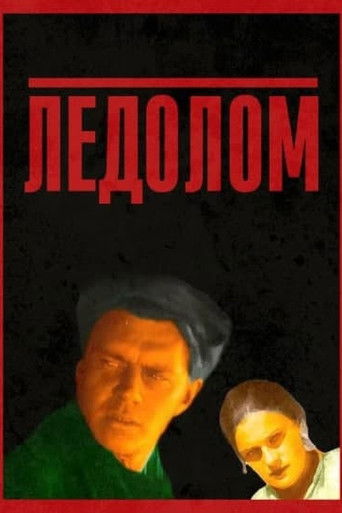

About Aleksandr Zhukov
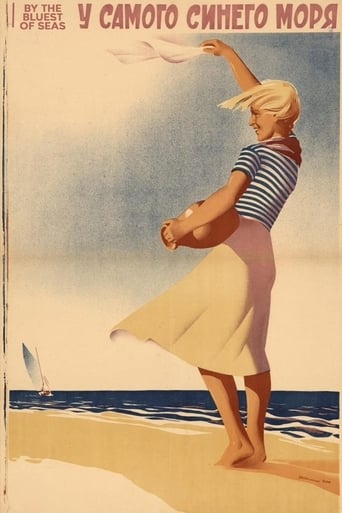
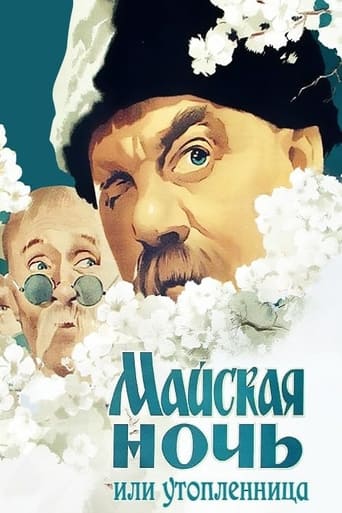
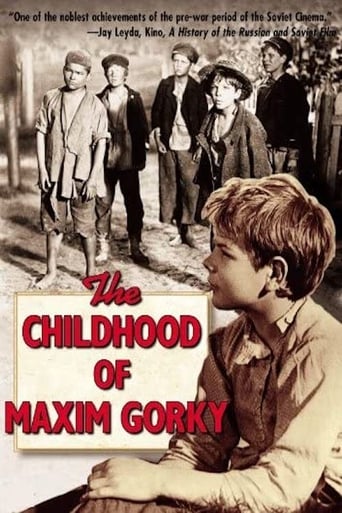
Prominent Soviet actor who emerged during the early sound era of Soviet cinema and became a Boris Barnet regular in By the Bluest of Seas (1936) and The Childhood of Maxim Gorky (1938). Beginning his career in 1931 with 'The Thaw,' Zhukov quickly established himself as a versatile performer capable of portraying both comic and dramatic roles with equal skill. His collaboration with director Boris Barnet in 'By the Bluest of Seas' (1936) showcased his naturalistic acting style and ability to convey deep emotion through subtle gestures. Zhukov reached the peak of his popularity in the late 1930s with memorable performances in 'The Childhood of Maxim Gorky' (1938) and the comedy 'Wish upon a Pike' (1938). His portrayal of ordinary Soviet citizens with warmth and authenticity made him a favorite among audiences during the Stalinist era. Throughout the 1940s, Zhukov continued to work steadily in both dramatic and comedic films, though his roles became increasingly smaller as newer generations of actors emerged. His final film appearances came in the early 1950s, marking the end of a two-decade career that spanned some of the most important years in Soviet cinema history.
The Craft
On Screen
Zhukov was known for his naturalistic and understated acting style, which contrasted with the more theatrical approaches common in early Soviet cinema. He possessed a remarkable ability to convey complex emotions through subtle facial expressions and body language, making his portrayals of ordinary Soviet citizens feel authentic and relatable. His comedic timing was exceptional, often using deadpan delivery and physical comedy to great effect. Zhukov's dramatic performances were characterized by their emotional depth and psychological realism, bringing nuance to even minor supporting roles.
Milestones
- Film debut in 'The Thaw' (1931)
- Breakthrough role in 'By the Bluest of Seas' (1936)
- Critically acclaimed performance in 'The Childhood of Maxim Gorky' (1938)
- Popular comedic turn in 'Wish upon a Pike' (1938)
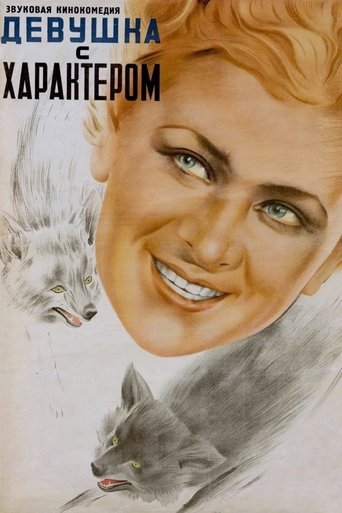
- Leading role in 'A Girl with Character' (1939)
Best Known For
Iconic Roles
Must-See Films
Accolades
Won
- Honored Artist of the RSFSR (1947)
Nominated
- Stalin Prize nomination for 'By the Bluest of Seas' (1937)
Special Recognition
- Order of the Red Banner of Labour (1948)
- Medal 'For Valiant Labour in the Great Patriotic War 1941-1945' (1946)
Working Relationships
Worked Often With
Studios
Why They Matter
Impact on Culture
Aleksandr Zhukov played a significant role in shaping the archetype of the 'everyman' in Soviet cinema, creating characters that embodied the ideals of the common Soviet citizen while maintaining their humanity and individuality. His naturalistic acting style influenced a generation of Soviet actors who moved away from the theatrical traditions of early Soviet film toward more realistic performances. Zhukov's work in comedies like 'Wish upon a Pike' helped establish a template for Soviet comedy that balanced social commentary with genuine humor. His portrayals of working-class characters contributed to the cultural narrative of Soviet unity and progress during the 1930s and 1940s. Zhukov's ability to find dignity and nobility in ordinary people made his films enduring favorites among Soviet audiences and helped define the visual language of socialist realism in cinema.
Lasting Legacy
Aleksandr Zhukov's legacy endures through his influential film performances and the generations of actors he taught at the Moscow Art Theatre School. His films, particularly 'By the Bluest of Seas' and 'The Childhood of Maxim Gorky,' remain classics of Soviet cinema and are regularly studied in film schools for their naturalistic acting and emotional authenticity. Zhukov's approach to character acting influenced the development of Soviet cinema's psychological realism movement in the 1950s and 1960s. Many of his films have been restored and preserved by the Gosfilmofond archive, ensuring that future generations can study his contributions to cinema. His teaching at MKhAT helped shape some of the most celebrated Soviet actors of the post-war period, extending his influence beyond his own performances.
Who They Inspired
Zhukov's naturalistic acting style directly influenced the move away from theatrical performance in Soviet cinema toward more psychologically nuanced portrayals. His work with director Boris Barnet helped establish a new visual language for Soviet film that emphasized authenticity over propaganda. Many prominent Soviet actors of the 1950s and 1960s, including Innokenty Smoktunovsky and Oleg Yankovsky, cited Zhukov as an important influence on their own approach to character development. His techniques for finding truth in ordinary characters became part of the standard curriculum at Soviet acting schools. Zhukov's ability to balance comedic timing with dramatic depth influenced subsequent generations of character actors in Soviet and Russian cinema.
Off Screen
Aleksandr Zhukov led a relatively private life away from the spotlight, focusing primarily on his craft and family. He married fellow actress Elena Kuzmina in 1935, though their marriage ended in divorce in 1942. During World War II, Zhukov actively participated in entertainment units that performed for Soviet troops on the front lines, demonstrating his commitment to the war effort. In his later years, he struggled with health issues that limited his acting opportunities, leading to his retirement from films in 1952. He spent his final years teaching acting at the Moscow Art Theatre School, passing on his knowledge to the next generation of Soviet actors.
Education
Graduated from the Moscow Art Theatre School (MKhAT) in 1928, studying under the theatre director Konstantin Stanislavski
Family
- Elena Kuzmina (1935-1942)
- Maria Orlova (1943-1965)
Did You Know?
- Zhukov initially worked as a factory worker before discovering his passion for acting
- He was discovered by director Boris Barnet while performing in an amateur theatre production
- During WWII, Zhukov performed over 500 concerts for Soviet troops on the front lines
- He was known for his method of completely immersing himself in roles, often staying in character between takes
- Zhukov spoke five languages fluently, which helped him secure roles in international co-productions
- He turned down several offers to work in Hollywood during the 1940s, preferring to remain in the Soviet Union
- His performance in 'By the Bluest of Seas' was praised by Charlie Chaplin during a rare Soviet film screening in London
- Zhukov — accomplished painter and held several private exhibitions of his artwork in Moscow
- He maintained a lifelong friendship with director Sergei Eisenstein, who often consulted him on casting decisions
- Despite his popularity, Zhukov never owned a car and preferred using Moscow's public transportation
In Their Own Words
Acting is not about becoming someone else, but about finding the part of yourself that connects with the character
In Soviet cinema, we don't just play roles – we help build the future through our art
The greatest challenge is not playing the hero, but making the ordinary person extraordinary
Every character, no matter how small, deserves the same respect and preparation
Cinema should be a window to the soul, not just a mirror to society
Frequently Asked Questions
Who was Aleksandr Zhukov?
Prominent Soviet with credits in this catalog. He was particularly acclaimed for his ability to portray ordinary Soviet citizens with authenticity and warmth.
What films is Aleksandr Zhukov best known for?
Titles linked here include By the Bluest of Seas (1936), The Childhood of Maxim Gorky (1938).
When was Aleksandr Zhukov born and when did he die?
Born May 15, 1898; died July 10, 1965.
What awards did Aleksandr Zhukov win?
Zhukov was named an Honored Artist of the RSFSR in 1947, received the Order of the Red Banner of Labour in 1948, and was awarded the Medal 'For Valiant Labour in the Great Patriotic War 1941-1945' in 1946. He was also nominated for a Stalin Prize in 1937.
What was Aleksandr Zhukov's acting style?
Zhukov was known for his naturalistic and understated acting style, contrasting with the theatrical approaches common in early Soviet cinema. He conveyed complex emotions through subtle expressions and body language, excelling in both dramatic and comedic roles with exceptional timing and authenticity.
Did Aleksandr Zhukov work with any famous directors?
Yes, Zhukov frequently collaborated with renowned Soviet directors including Boris Barnet, with whom he made 'By the Bluest of Seas', and Mark Donskoy, who directed him in 'The Childhood of Maxim Gorky'. These collaborations produced some of his most celebrated performances.
What happened to Aleksandr Zhukov after his acting career ended?
After retiring from films in 1952 due to health issues, Zhukov became a respected acting teacher at the Moscow Art Theatre School, where he influenced future generations of Soviet actors. He continued to be involved in theatre and mentored students until his death in 1965.