
Valentina Serova
Actor
Born: December 23, 1917 in Kharkov, Russian Empire (now Kharkiv, Ukraine) Died: December 12, 1975 Active: 1939-1946 (film), 1940s-1970s (theatre) Birth Name: Valentina Yakovlevna Poltoratskaya
Films
5 films

About Valentina Serova
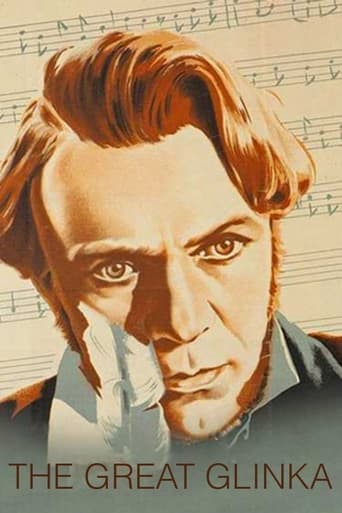
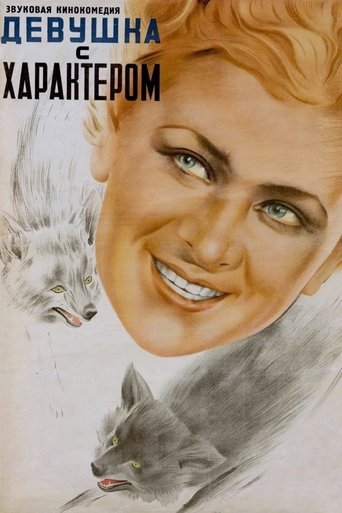
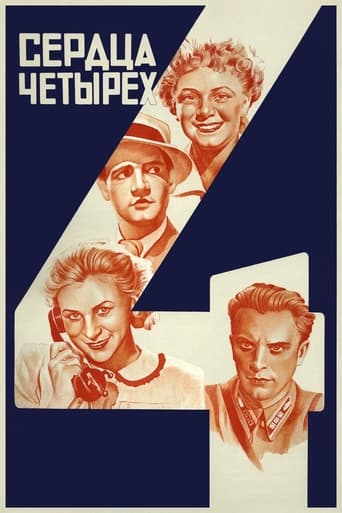
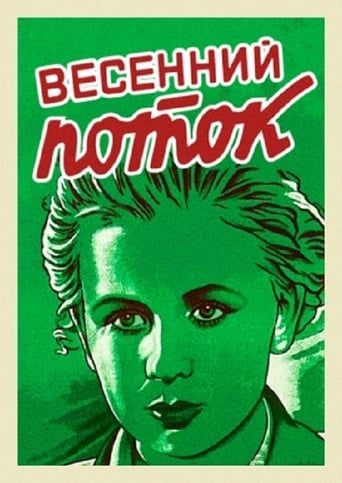
Valentina Serova was one of Soviet cinema's most beloved actresses during the 1930s and 1940s, emerging as a major star during the Great Patriotic War. Born Valentina Yakovlevna Poltoratskaya in Kharkov, she began her career at the State Institute of Cinematography (VGIK) before making her film debut in 1939. Her breakthrough came with 'A Girl with Character' (1939), which established her as a leading lady in Soviet cinema. During WWII, she became a cultural icon through her roles in patriotic films like 'Wait for Me' (1943), which resonated deeply with Soviet audiences. Her performance in 'The Great Glinka' (1946) showcased her versatility in historical dramas. Though her film career was relatively brief, spanning primarily 1939-1946, her impact was profound. She later focused on stage work at the Moscow Art Theatre and received the title of People's Artist of the RSFSR in 1969, cementing her status as one of Soviet cinema's figures.
The Craft
On Screen
Serova's acting style embodied the principles of socialist realism, characterized by emotional intensity, sincerity, and a strong connection to Soviet ideological values. She possessed a naturalistic approach that made her characters relatable to ordinary Soviet citizens, particularly during wartime. Her performances were marked by a powerful screen presence and the ability to convey deep emotions through subtle expressions. She specialized in portraying strong, resilient Soviet women who embodied the ideals of patriotism and dedication to the collective good.
Milestones
- Film debut in 'A Girl with Character' (1939)
- Starred in the wartime hit 'Wait for Me' (1943)
- Portrayed Glinka's wife in 'The Great Glinka' (1946)
- Awarded People's Artist of the RSFSR (1969)
- Performed at Moscow Art Theatre in later career
Best Known For
Iconic Roles
Must-See Films
Accolades
Won
- People's Artist of the RSFSR (1969)
- Order of the Red Banner of Labour
- Medal 'For the Defence of Moscow'
- Medal 'For Valiant Labour in the Great Patriotic War 1941-1945'
Nominated
- Stalin Prize nominations for film performances
Special Recognition
- Honored Artist of the RSFSR (1950)
- People's Artist of the RSFSR (1969)
Working Relationships
Worked Often With
Studios
Why They Matter
Impact on Culture
Valentina Serova became an enduring symbol of Soviet womanhood during the Great Patriotic War, representing the strength, resilience, and patriotism that the Soviet state sought to promote. Her role in 'Wait for Me' was particularly significant as it mirrored the real-life experiences of millions of Soviet families separated by war. The film and her performance became cultural touchstones, with the theme song becoming immensely popular. Serova embodied the ideal Soviet woman - beautiful yet strong, emotional yet steadfast. During the war years, she participated actively in cultural brigades that performed for soldiers at the front, further cementing her status as a national heroine.
Lasting Legacy
Valentina Serova's legacy extends beyond her relatively brief film career to encompass her role as a cultural icon during one of the Soviet Union's most challenging periods. She remains remembered as one of the definitive actresses of the wartime era, whose performances captured the spirit of Soviet resilience. Her work continues to be studied as exemplary of socialist realism in cinema, and her most famous films remain classics of Soviet wartime cinema. The Moscow Art Theatre, where she performed in her later years, preserves her memory as part of its history. Her influence on Soviet cinema can be seen in the way subsequent actresses approached roles requiring emotional depth and ideological commitment.
Who They Inspired
Serova influenced generations of Soviet actresses through her naturalistic yet emotionally powerful performances. Her ability to combine personal emotion with collective ideals became a model for actresses in socialist realist cinema. Younger actresses studied her technique for conveying complex emotions within the constraints of Soviet film aesthetics. Her success in both film and theatre demonstrated the possibility of maintaining artistic integrity while working within the Soviet system, inspiring others to pursue similar career paths. Her collaboration with leading directors of her era helped establish new standards for performance in Soviet cinema.
Off Screen
Valentina Serova's personal life was closely intertwined with Soviet cultural circles. She married the renowned writer and poet Konstantin Simonov in 1943,. Simonov dedicated several poems to her, including the famous 'Wait for Me,' which was later adapted into her most famous film. Their marriage was passionate but tumultuous, ending in divorce in 1957. She later married Anatoly Efros, a prominent theatre director. Serova was known for her beauty and was considered one of Soviet cinema's great screen beauties, though she was valued more for her acting talent than her appearance.
Education
State Institute of Cinematography (VGIK), Moscow, graduated late 1930s
Family
- Konstantin Simonov (1943-1957)
- Anatoly Efros (1960s-1975)
Did You Know?
- Her real surname Poltoratskaya means 'half-and-a-half' in Russian
- The poem 'Wait for Me' by her husband Simonov was written for her during their wartime separation
- She was discovered while working as a telephone operator
- During WWII, she performed over 500 concerts for soldiers at the front
- Her beauty was compared to that of Greta Garbo by Soviet critics
- She was one of the highest-paid Soviet actresses of the 1940s
- Stalin personally approved her casting in several war films
- She survived the Siege of Moscow while filming
- Her second marriage to theatre director Anatoly Efros revitalized her career in the 1960s
- She was known for refusing special privileges offered to famous Soviet artists
In Their Own Words
Acting is not about pretending to be someone else, but about finding the truth within yourself that connects to the character
During the war, every film we made was a weapon - not of destruction, but of hope
The camera doesn't lie, but it also doesn't tell the whole truth - that's where the actor's soul comes in
Simonov's poetry gave words to what I felt, and my performances gave life to his words
Frequently Asked Questions
Who was Valentina Serova?
Prominent Soviet actress of the 1930s and 1940s, best known for her roles in wartime films. She became a cultural icon during the Great Patriotic War, embodying the ideal of Soviet womanhood through her performances in films like 'Wait for Me' and 'A Girl with Character'.
What films is Valentina Serova best known for?
Titles linked here include Wait for Me (1943), A Girl with Character (1939).
When was Valentina Serova born and when did she die?
Born December 23, 1917; died December 12, 1975.
What awards did Valentina Serova win?
Serova received several prestigious honors including the title of People's Artist of the RSFSR in 1969, Honored Artist of the RSFSR in 1950, the Order of the Red Banner of Labour, and medals for her wartime service including the Medal 'For the Defence of Moscow' and 'For Valiant Labour in the Great Patriotic War'.
What was Valentina Serova's acting style?
Serova's acting style embodied socialist realism, characterized by emotional intensity and naturalistic performances that connected with Soviet audiences. She specialized in portraying strong, resilient women and was known for her ability to convey deep emotions subtly while embodying Soviet ideological values.