Films
3 films
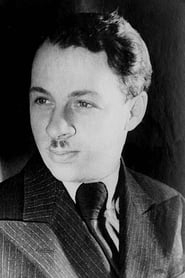
About Mikhail Rumyantsev
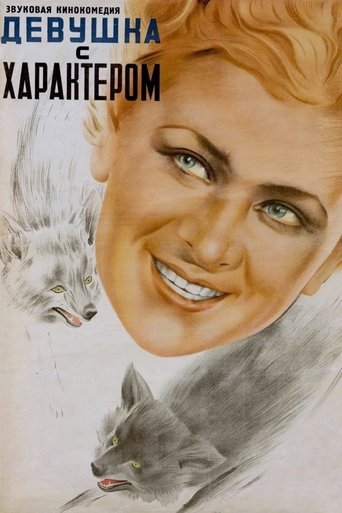
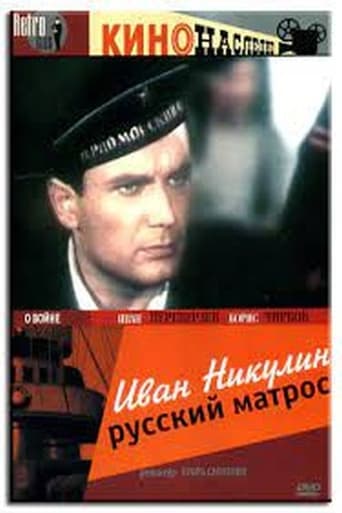
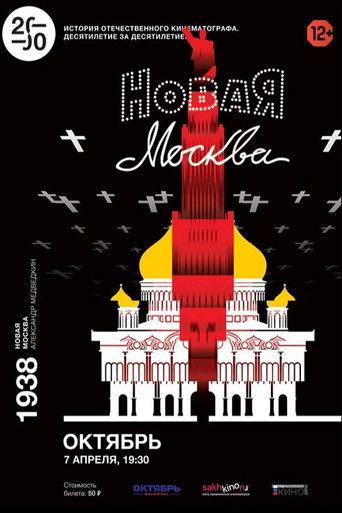
Soviet actor active during the late 1930s and early 1940s, appearing in several notable films of the Stalin era. His film career, though relatively brief, coincided with a significant period in Soviet cinema when the industry was heavily state-controlled but producing some of its most enduring works. Rumyantsev appeared in 'The New Moscow' (1938), a film directed by Aleksandr Zarkhi and Iosif Kheifits that showcased the transformation of the Soviet capital. He followed this with a role in 'A Girl with Character' (1939), a comedy directed by Konstantin Yudin that became one of the more popular Soviet films of its time. His final known film appearance was in 'Ivan Nikulin: Russian Sailor' (1944), a wartime propaganda film directed by Igor Savchenko that celebrated Soviet naval heroism during World War II. Like many actors of his generation, Rumyantsev's career was likely impacted by the outbreak of World War II and the subsequent focus on war-related productions. The limited documentation of his work suggests he may have been primarily a supporting actor rather than a leading star, which was common for many character actors in Soviet cinema of this period.
The Craft
Milestones
- Appeared in The New Moscow (1938)
- Featured in A Girl with Character (1939)
- Cast in Ivan Nikulin: Russian Sailor (1944)
Best Known For
Must-See Films
Working Relationships
Worked Often With
Studios
Why They Matter
Impact on Culture
As a supporting actor in three significant Soviet films from the late 1930s and early 1940s, Mikhail Rumyantsev contributed to the cinematic landscape of Stalin-era Russia. His appearances in these films place him within the context of Soviet cinema's golden age, when the industry was producing works that both entertained and served ideological purposes. The films he appeared in - particularly 'The New Moscow' and 'Ivan Nikulin: Russian Sailor' - exemplify the socialist realist aesthetic that dominated Soviet cinema during this period, celebrating Soviet achievements and wartime heroism.
Lasting Legacy
Mikhail Rumyantsev's legacy is preserved through his contributions to three notable Soviet films that have survived as important cultural artifacts of their time. While he may not have been a major star, his work represents the collective effort of the many actors who helped build Soviet cinema during a crucial historical period. These films continue to be studied by film historians interested in understanding Soviet culture and propaganda during the Stalin era and World War II.
Who They Inspired
Limited documentation makes it difficult to assess Mikhail Rumyantsev's direct influence on other actors or filmmakers. As a character actor working within the Soviet studio system, he would have been part of the broader tradition of ensemble acting that characterized much of Soviet cinema, where the focus was often on collective storytelling rather than individual stardom.
Off Screen
Very limited information is available about Mikhail Rumyantsev's personal life, which is not uncommon for supporting actors from the Soviet cinema of this era. Many character actors from the 1930s-1940s Soviet film industry received minimal documentation in historical records, particularly if they were not among the most prominent stars of the time.
Did You Know?
- Appeared in films during
- Worked with multiple prominent Soviet directors including Zarkhi, Kheifits, Yudin, and Savchenko
- His film active years covered the critical period from just before World War II through the war years
- All three of his known surviving films were produced by major Soviet state studios
- The films he appeared in represent different genres: urban transformation, comedy, and wartime propaganda
- Like many Soviet actors of his era, his career was likely shaped by state control of the film industry
- His final film appearance came during the height of World War II, when Soviet cinema was heavily focused on the war effort
Frequently Asked Questions
Who was Mikhail Rumyantsev?
Soviet with credits in this catalog. He worked during the Stalin era of Soviet cinema, likely as a supporting character actor.
What films is Mikhail Rumyantsev best known for?
Titles linked here include The New Moscow (1938), A Girl with Character (1939).
When was Mikhail Rumyantsev born and when did he die?
Unfortunately, specific birth and death dates for Mikhail Rumyantsev are not readily available in existing historical records, which is not uncommon for supporting actors from Soviet cinema of this period. His known film active years covered from 1938 to 1944.
What awards did Mikhail Rumyantsev win?
There is no documented record of Mikhail Rumyantsev receiving major awards or nominations for his film work. This was not uncommon for character actors in Soviet cinema, where recognition was often reserved for the most prominent stars and directors.
What was Mikhail Rumyantsev's acting style?
While specific details about Mikhail Rumyantsev's acting style are not extensively documented, he worked within the socialist realist tradition that dominated Soviet cinema during his career. This style emphasized clear character types that served both narrative and ideological purposes.