Films
8 films
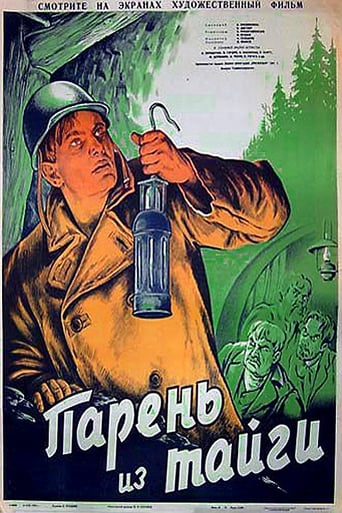
About Pyotr Repnin
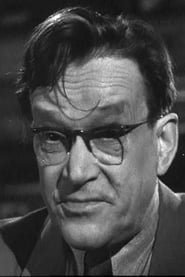
Soviet actor who emerged during the transitional period from silent films to early sound cinema in the USSR. Active from the late 1920s through the early 1940s, coinciding with the golden age of Soviet socialist realism in film. Repnin appeared in numerous significant Soviet productions, often portraying characters that aligned with the ideological values promoted by the state during Stalin's era. His filmography includes adaptations of classic literature and historical epics that were central to Soviet cultural policy. Repnin worked with some of the most prominent Soviet directors of his time, contributing to films that have become important artifacts of early Soviet cinema. His acting style reflected the theatrical traditions that influenced early Soviet film, characterized by expressive gestures and clear emotional articulation suitable for both silent and early sound productions. The abrupt end to his film career in 1941 coincides with the German invasion of the Soviet Union, which dramatically altered the Soviet film industry and the lives of many artists.
The Craft
On Screen
Pyotr Repnin's acting style was characteristic of early Soviet cinema, blending theatrical expressiveness with the emerging naturalism of the sound era. His performances emphasized clear emotional articulation and strong character archetypes typical of socialist realism. Like many Soviet actors of his generation, Repnin trained in stage acting traditions that valued projection and exaggerated gestures, techniques that proved valuable during the transition from silent to sound films.
Milestones
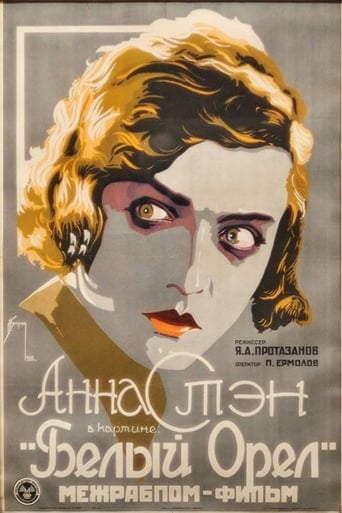
- Appeared in The White Eagle (1928), one of the late Soviet silent classics
- Starred in Boule de Suif (1934), an adaptation of Guy de Maupassant's work
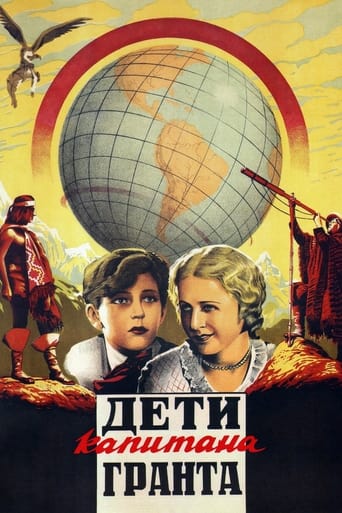
- Featured in Capt. Grant's Family (1936), a Soviet adventure film
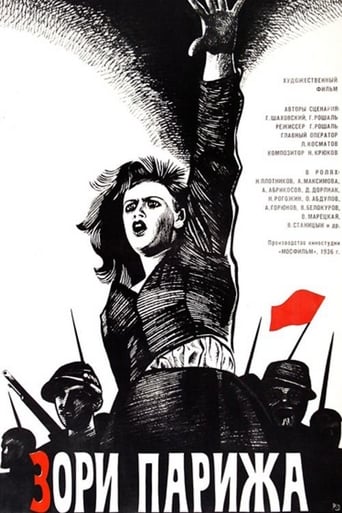
- Participated in The Paris Commune (1936), a historical epic
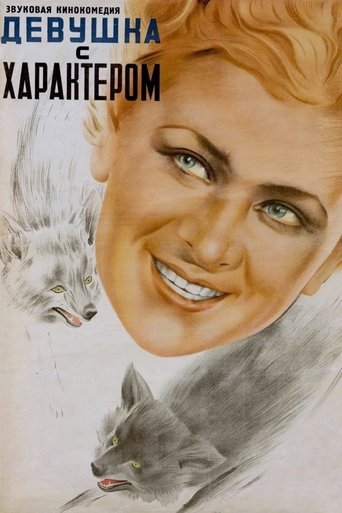
- Appeared in A Girl with Character (1939), a popular Soviet comedy
Best Known For
Iconic Roles
Must-See Films
Working Relationships
Worked Often With
Studios
Why They Matter
Impact on Culture
Pyotr Repnin contributed to the development of Soviet cinema during a crucial period of its evolution from silent films to sound. His work in films like 'The White Eagle' and 'The Paris Commune' helped establish the visual and narrative language of socialist realism in cinema. These films served as vehicles for Soviet ideology while also attempting to create a distinct Soviet film aesthetic that could compete with Western cinema. Repnin's performances, along with those of his contemporaries, helped define the acting style that would dominate Soviet film for decades.
Lasting Legacy
Pyotr Repnin's legacy lies in his participation in some of the foundational films of Soviet cinema. The movies he appeared in represent important examples of how Soviet filmmakers adapted literature and history to serve ideological purposes while maintaining artistic merit. His career trajectory, ending in 1941, reflects the broader disruption of Soviet cultural life during World War II. While not as widely remembered internationally as some of his contemporaries, Repnin's work remains part of the historical record of Soviet film history and is studied by scholars of early Soviet cinema.
Who They Inspired
As a working actor rather than a star, Pyotr Repnin's influence was primarily through his contributions to ensemble casts and the establishment of acting conventions in early Soviet sound films. His work helped create templates for character types that would be replicated in subsequent Soviet productions, particularly in historical and literary adaptations.
Off Screen
Limited information is available about Pyotr Repnin's personal life, which was common for many Soviet actors of his era whose biographies were often subsumed by their professional contributions to Soviet cinema. Like many artists working in the USSR during the 1930s, his life would have been affected by the political and social upheavals of the Stalinist period.
Did You Know?
- His film active years covered the crucial transition from silent to sound cinema in the Soviet Union
- Appeared in films based on both Russian and foreign literature
- Worked during the height of Stalin's cultural control over Soviet cinema
- His career ended in 1941, likely due to the disruption caused by World War II
- Participated in the socialist realist movement that dominated Soviet arts in the 1930s
- His films often featured themes of revolutionary heroism and class struggle
- Worked in an era when Soviet cinema was heavily state-controlled and censored
Frequently Asked Questions
Who was Pyotr Repnin?
Screen credits include several notable Soviet films during the transition from silent to sound cinema.
What films is Pyotr Repnin best known for?
Titles linked here include The White Eagle (1928), Boule de Suif (1934).
When was Pyotr Repnin active in cinema?
Pyotr Repnin's film active years covered from 1928 to 1941, covering the important transitional period in Soviet cinema from silent films to early sound productions.
What was the style of Pyotr Repnin's acting?
Repnin's acting style reflected early Soviet cinema traditions, combining theatrical expressiveness with the emerging naturalism of sound films, typical of the socialist realist aesthetic.
What was Pyotr Repnin's contribution to Soviet cinema?
Repnin contributed to the development of Soviet cinema's acting conventions and participated in establishing the visual and narrative language of socialist realism in film during the 1930s.