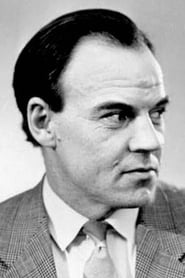
Mikhail Gluzskiy
Actor
Born: November 21, 1918 in Kiev, Ukrainian SSR, Soviet Union Died: June 15, 2001 Active: 1939-1991 Birth Name: Mikhail Andreyevich Gluzskiy
Films
3 films
About Mikhail Gluzskiy
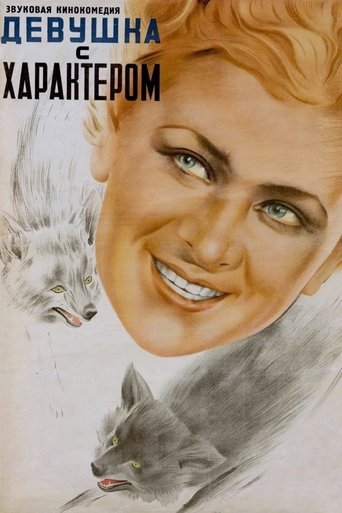
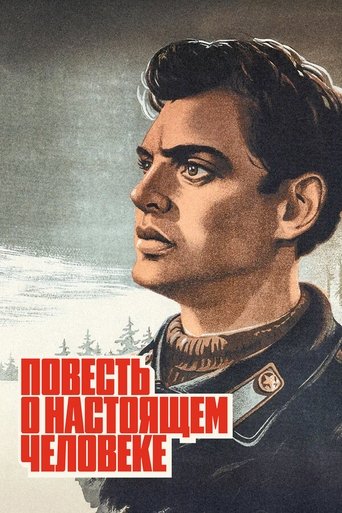
Soviet and Russian character actor: over five decades, from the late 1930s through the 1980s. Born in Kiev in 1918, he began his acting career in the Soviet film industry during the Stalin era, appearing in notable early works like 'A Girl with Character' (1939). His talent for portraying complex, often working-class characters made him a staple of Soviet cinema, particularly in war films and dramas. Throughout his career, he appeared in more than 100 films, becoming recognizable character actors in Soviet cinema. His performance in 'Story of a Real Man' (1948) cemented his reputation as a serious dramatic actor capable of conveying deep emotional range. In his later years, he continued to work prolifically, earning the prestigious title of People's Artist of the USSR in 1983, the highest honor for artists in the Soviet Union. His career reflected the evolution of Soviet cinema itself, from socialist realist productions to more nuanced character studies in the post-Stalin era.
The Craft
On Screen
Gluzskiy was known for his naturalistic, understated acting style that brought authenticity to every role. He specialized in portraying strong, stoic characters often from the working class or military, using subtle facial expressions and measured delivery to convey deep emotion. His approach was rooted in the Stanislavski system, emphasizing psychological realism and internal character motivation rather than theatrical exaggeration.
Milestones
- Film debut in 'A Girl with Character' (1939)
- Breakthrough role in 'Story of a Real Man' (1948)
- Received title of People's Artist of RSFSR (1977)
- Awarded title of People's Artist of the USSR (1983)
- Appeared in over 100 films throughout his career
- Known for portraying military officers and working-class characters
Best Known For
Iconic Roles
Must-See Films
Accolades
Won
- People's Artist of the RSFSR (1977)
- People's Artist of the USSR (1983)
- Order of the Red Banner of Labour
- Order of the Patriotic War
- Order of Friendship of Peoples
Nominated
- State Prize of the Russian Federation nominations
Special Recognition
- Honored Artist of the RSFSR (1964)
- People's Artist of the RSFSR (1977)
- People's Artist of the USSR (1983)
Working Relationships
Worked Often With
Studios
Why They Matter
Impact on Culture
Mikhail Gluzskiy's contributions to Soviet cinema were significant, as he embodied the ideal Soviet citizen in many of his roles while maintaining artistic integrity and depth. His characters often represented the resilience and dignity of ordinary Soviet people, particularly during times of war and social upheaval. Through his work, he helped define the visual and emotional language of Soviet cinema, particularly in the war film genre. His performances contributed to the cultural memory of World War II in the Soviet Union and Russia, helping shape how subsequent generations understood this pivotal period. His ability to humanize official narratives made him beloved by audiences across the Soviet Union and beyond.
Lasting Legacy
Gluzskiy's legacy endures through his extensive filmography and the actors he influenced. He remains. His approach to character acting, combining emotional depth with ideological commitment, became a model for subsequent generations of Soviet and Russian actors. The films he appeared in are now considered classics of Soviet cinema, and his performances continue to be analyzed for their technical mastery and cultural significance.
Who They Inspired
Gluzskiy influenced Soviet and Russian acting through his dedication to psychological realism and his ability to convey complex emotions with minimal gestures. His work in war films helped establish a template for portraying military characters that balanced heroism with human vulnerability. Many younger actors studied his performances as examples of how to work within the constraints of socialist realism while maintaining artistic authenticity. His teaching at various acting institutions helped pass on the traditions of Russian theatrical acting to new generations.
Off Screen
Mikhail Gluzskiy led a relatively private personal life, focusing primarily on his craft and career. He married fellow actress Yelena Maksimova, with whom he had a son, Andrei Gluzskiy, who also became an actor. The family lived in Moscow, where Gluzskiy was deeply involved in the theatrical and film community. Despite his fame, he was known for his humility and dedication to his art, often mentoring younger actors and sharing his extensive knowledge of the craft.
Education
Graduated from the State Institute of Theatre Arts (GITIS) in Moscow, studied under prominent Soviet acting teachers
Family
- Yelena Maksimova (married 1940s-2001)
Did You Know?
- Despite appearing in over 100 films, he was primarily a character actor rather than a leading man
- His son Andrei followed in his footsteps and became a successful actor
- He continued acting well into his 70s, appearing in films through the 1980s
- Many of his war film roles were based on real Soviet heroes
- He was particularly beloved for his ability to portray military officers with authenticity
- His performance in 'Story of a Real Man' was based on the real-life story of pilot Alexei Maresyev
- He worked with virtually every major Soviet director of his era
- His distinctive voice made him a popular choice for narration in documentaries
- He was known for his meticulous preparation for each role
- Despite his fame, he never owned a car and used public transportation in Moscow
In Their Own Words
Acting is not about pretending to be someone else, but about finding the truth within yourself that connects to the character
In every role, I try to find the human being behind the uniform or the social position
The greatest reward for an actor is when someone recognizes you on the street and calls you by your character's name
Soviet cinema taught us that art must serve the people, but it must also serve the truth
Even in the smallest role, there must be a complete human being with a past, present, and future
Frequently Asked Questions
Who was Mikhail Gluzskiy?
Screen credits include over 100 films from 1939 to 1991. He was best known for his roles in war films and dramas, particularly for portraying military officers and working-class characters with authenticity and depth.
What films is Mikhail Gluzskiy best known for?
Titles linked here include A Girl with Character (1939), Story of a Real Man (1948).
When was Mikhail Gluzskiy born and when did he die?
Born November 21, 1918; died June 15, 2001.
What awards did Mikhail Gluzskiy win?
Gluzskiy received numerous honors including the title of Honored Artist of the RSFSR (1964), People's Artist of the RSFSR (1977), and People's Artist of the USSR (1983). He also received the Order of the Red Banner of Labour and the Order of Friendship of Peoples for his contributions to Soviet cinema.
What was Mikhail Gluzskiy's acting style?
Gluzskiy was known for his naturalistic, understated acting style rooted in the Stanislavski system. He specialized in portraying strong, stoic characters with psychological realism, using subtle expressions and measured delivery to convey deep emotion rather than theatrical exaggeration.