
Lyudmila Tselikovskaya
Actor
Born: September 8, 1919 in Moscow, Russian Soviet Federative Socialist Republic Died: July 6, 1992 Active: 1941-1948 Birth Name: Lyudmila Pavlovna Tselikovskaya
Films
7 films

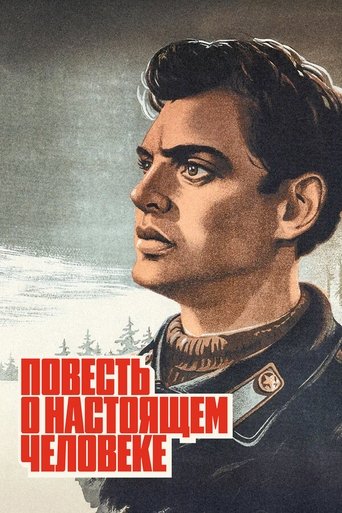
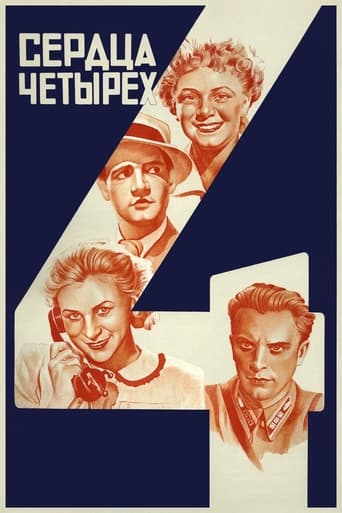
About Lyudmila Tselikovskaya
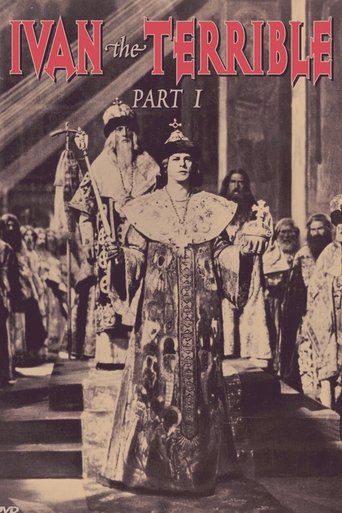
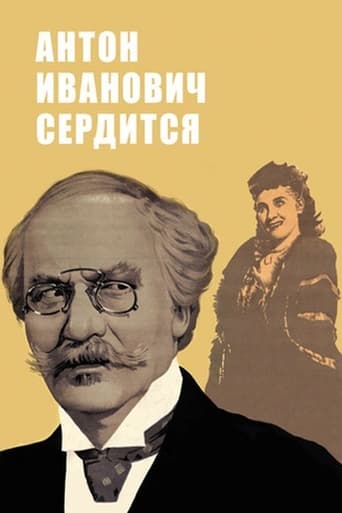
Lyudmila Pavlovna Tselikovskaya was beloved and popular Soviet actresses of the 1940s, known for her radiant screen presence and versatile talent. Born into a theatrical family, she graduated from the State Institute of Theatre Arts (GITIS) in 1941 and immediately began her film career with remarkable success. Her breakthrough came with the comedy 'Anton Ivanovich Gets Angry' (1941), where her charm and comedic timing captivated audiences across the Soviet Union. Tselikovskaya achieved her greatest recognition for her role as Tsaritsa Anastasia Romanovna in Sergei Eisenstein's masterpiece 'Ivan the Terrible, Part I' (1944), showcasing her dramatic range beyond comedy. Despite her brief but brilliant career spanning only eight years, she appeared in twelve films and became one of the highest-paid actresses in Soviet cinema. Her career was curtailed by personal struggles and the changing political climate of the late 1940s, leading to her retirement from films in 1948. Tselikovskaya's legacy endures as a symbol of Soviet cinema's golden age, remembered for her luminous performances that combined technical skill with genuine emotional depth.
The Craft
On Screen
Tselikovskaya was known for her naturalistic acting style that combined technical precision with emotional authenticity. Her performances were characterized by a luminous screen presence, expressive eyes, and an ability to seamlessly transition between comedy and drama. Unlike many of her contemporaries who employed theatrical mannerisms, she brought a subtle, understated quality to her roles that felt modern and relatable. Her comedic timing was impeccable, while her dramatic performances demonstrated remarkable depth and psychological insight. She had a unique ability to convey complex emotions through minimal gestures, making her particularly effective in close-ups.
Milestones
- Graduated from GITIS in 1941
- Breakthrough role in 'Anton Ivanovich Gets Angry' (1941)
- Starred in Eisenstein's 'Ivan the Terrible, Part I' (1944)
- Became one of Soviet cinema's highest-paid actresses
- Received Stalin Prize for her contributions to cinema
- Retired from films in 1948 at the height of her popularity
Best Known For
Iconic Roles
Must-See Films
Accolades
Won
- Stalin Prize, Second Class (1946)
- Honored Artist of the RSFSR (1951)
Nominated
- Stalin Prize nomination for Ivan the Terrible, Part I (1944)
Special Recognition
- Order of the Badge of Honour
- Honored Artist of the Russian Soviet Federative Socialist Republic
Working Relationships
Worked Often With
Studios
Why They Matter
Impact on Culture
Lyudmila Tselikovskaya became a cultural phenomenon in Soviet cinema during the 1940s, representing the ideal Soviet woman - beautiful, talented, and dedicated to her art. Her performance as Tsaritsa Anastasia in 'Ivan the Terrible' set a new standard for historical drama in Soviet film, while her comedic roles made her beloved by millions of viewers. She helped bridge the gap between the theatrical acting style of the 1930s and the more naturalistic approach that would dominate Soviet cinema in the 1950s and 1960s. Her films were consistently among the most popular releases of their time, and her image appeared on numerous magazine covers and posters. Tselikovskaya's success demonstrated that Soviet actresses could achieve both critical acclaim and popular appeal without compromising artistic integrity.
Lasting Legacy
Tselikovskaya's legacy endures as one of Soviet cinema's most talented and enigmatic figures. Despite her brief career, she left an indelible mark on Russian film history, particularly through her work with Eisenstein. Her films continue to be studied and appreciated by film scholars and enthusiasts, with 'Ivan the Terrible, Part I' remaining a cornerstone of world cinema. She is remembered as a tragic figure who burned brightly but briefly, representing both the artistic heights possible under Stalin's regime and the personal costs of working in that environment. Her influence can be seen in subsequent generations of Russian actresses who sought to combine technical excellence with emotional authenticity. Film retrospectives and festivals continue to celebrate her work, ensuring that new audiences discover her remarkable talent.
Who They Inspired
Tselikovskaya influenced Soviet cinema by demonstrating the power of naturalistic acting in a system that often favored theatricality. Her work with Eisenstein helped establish new standards for performance in historical epics, while her comedic roles showed how subtle humor could serve Soviet narratives. Younger actresses studied her technique, particularly her use of minimal gestures to convey complex emotions. Her success in both comedy and drama proved that Soviet actresses need not be typecast, opening doors for more versatile casting in subsequent decades. Her approach to character development, focusing on psychological truth rather than external mannerisms, anticipated the more realistic acting styles that would emerge in Soviet cinema during the Khrushchev Thaw.
Off Screen
Tselikovskaya's personal life was marked by both professional success and personal challenges. She married actor and director Nikolai Kryuchkov in 1941, but their marriage was tumultuous and ended in divorce in 1945. In 1946, she married writer and screenwriter Nikolai Erdman, which proved to be a more stable union. Despite her popularity, Tselikovskaya struggled with the pressures of fame and the political constraints of the Stalin era. She suffered from health problems that, combined with personal difficulties, led to her early retirement from cinema. After leaving films, she focused on her family and occasionally performed in theatrical productions.
Education
Graduated from the State Institute of Theatre Arts (GITIS), Moscow in 1941, studying under renowned acting teachers including Maria Knebel and Vladimir Nemirovich-Danchenko.
Family
- Nikolai Kryuchkov (1941-1945)
- Nikolai Erdman (1946-1992)
Did You Know?
- Was discovered by director Aleksandr Ivanovsky while still a student at GITIS
- Her salary of 7,000 rubles per film made her one of the highest-paid actresses in the USSR
- Eisenstein personally selected her for the role of Tsaritsa Anastasia after seeing her in 'Anton Ivanovich Gets Angry'
- Retired from cinema at age 29, at the height of her popularity
- Her performance in 'Ivan the Terrible' was praised by international critics including Charlie Chaplin
- Was offered roles in Hollywood but declined to remain in the Soviet Union
- Spoke fluent French and English, unusual for Soviet actresses of her generation
- Her personal archive contains letters from fans from all over the Soviet Union
- After retiring, she worked briefly as a drama coach at GITIS
- Was featured on Soviet postage stamps in 1969 as part of a series honoring cinema artists
In Their Own Words
Acting is not about becoming someone else, but about finding yourself in another person's circumstances.
In Eisenstein's films, every gesture had meaning, every glance told a story. Working with him was like attending the greatest acting school in the world.
The camera sees everything, especially what you try to hide. That's why honesty is the actor's greatest tool.
I left cinema not because I stopped loving it, but because I loved it too much to compromise what it meant to me.
Frequently Asked Questions
Who was Lyudmila Tselikovskaya?
Lyudmila Tselikovskaya was. She achieved international recognition for her performance as Tsaritsa Anastasia in Eisenstein's 'Ivan the Terrible, Part I' and became one of Soviet cinema's highest-paid performers before retiring at age 29.
What films is Lyudmila Tselikovskaya best known for?
Titles linked here include Ivan the Terrible, Part I (1944), Anton Ivanovich Gets Angry (1941).
When was Lyudmila Tselikovskaya born and when did she die?
Born September 8, 1919; died July 6, 1992.
What awards did Lyudmila Tselikovskaya win?
She received the Stalin Prize, Second Class in 1946 for her contributions to Soviet cinema, and was named an Honored Artist of the RSFSR in 1951. She was also awarded the Order of the Badge of Honour for her artistic achievements.
What was Lyudmila Tselikovskaya's acting style?
Her acting style was characterized by naturalism and emotional authenticity, contrasting with the theatrical approach common in Soviet cinema of her era. She was known for her luminous screen presence, subtle gestures, and ability to convey complex emotions through minimal means, making her particularly effective in both comedy and dramatic roles.
Why did Lyudmila Tselikovskaya retire so early?
The exact reasons for her early retirement at age 29 remain somewhat mysterious, though it's believed to be a combination of health issues, personal struggles, and the political pressures of the late Stalin era. Her marriage to writer Nikolai Erdman, who had previously been imprisoned, may have also complicated her career prospects.
What was Lyudmila Tselikovskaya's legacy in Soviet cinema?
Her legacy is that of a brilliant but brief career that helped transition Soviet acting toward greater naturalism and psychological depth. She demonstrated that Soviet actresses could achieve both popular success and artistic excellence, and her work continues to be studied and celebrated as representing some of the finest performances of Soviet cinema's golden age.