
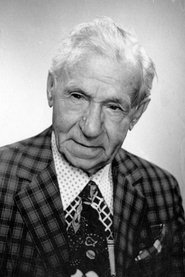
Georgi Svetlani
Actor
Born: January 15, 1911 in Saint Petersburg, Russian Empire Died: October 25, 1975 Active: 1932-1975 Birth Name: Georgi Alexandrovich Svetlani
Films
3 films
About Georgi Svetlani
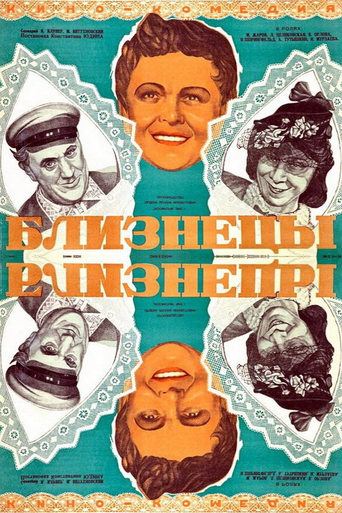
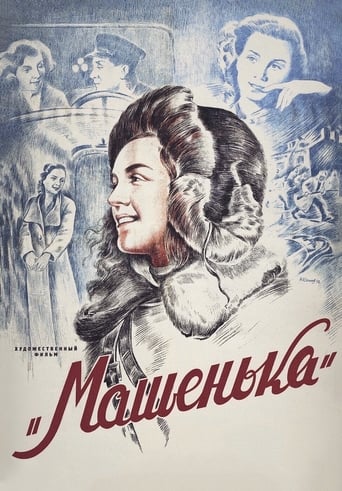
Prominent Soviet character actor: from the early 1930s through the 1960s, though his most notable work emerged during the World War II and immediate post-war period. Born in Saint Petersburg in 1911, he developed his craft during the formative years of Soviet cinema, establishing himself as a reliable supporting actor with remarkable versatility. His breakthrough came in the early 1940s when he began appearing in more substantial roles in major Soviet productions. Svetlani's performances in films like Mashenka (1942), Twins (1945), and A Noisy Household (1946) showcased his ability to embody both comedic and dramatic characters with equal skill. Throughout his career, he worked with some of the Soviet Union's most respected directors and became a familiar face to Soviet cinema audiences. His later career continued with numerous supporting roles in both feature films and television productions until his death in 1975. Svetlani's contribution to Soviet cinema lies primarily in his ability to bring depth and authenticity to every character he portrayed, regardless of the role's size.
The Craft
On Screen
Svetlani was known for his naturalistic acting style that blended subtle comedy with genuine emotional depth. His approach emphasized authentic character portrayal over theatricality, making even minor roles memorable. He had a particular talent for playing ordinary Soviet citizens with warmth and humor, often serving as the moral center or comic relief in productions. His performances were characterized by precise timing, expressive facial features, and an ability to convey complex emotions through minimal gestures.
Milestones
- Breakthrough role in Mashenka (1942)
- Notable performance in Twins (1945)
- Memorable role in A Noisy Household (1946)
- Prolific character actor in Soviet cinema for over four decades
- Appeared in over 80 film and television productions
Best Known For
Iconic Roles
Must-See Films
Accolades
Won
- Honored Artist of the RSFSR (1965)
Special Recognition
- Honored Artist of the RSFSR
- Recognition for contributions to Soviet cinema
Working Relationships
Worked Often With
Studios
Why They Matter
Impact on Culture
Georgi Svetlani made significant contributions to Soviet cinema during a crucial period of its development, particularly during and after World War II. His performances helped shape the archetype of the Soviet everyman in cinema, providing audiences with relatable characters that reflected the realities and aspirations of ordinary Soviet citizens. Through his work in films like Mashenka and Twins, he participated in creating the visual and emotional vocabulary of Soviet wartime and post-war cinema. His ability to seamlessly blend humor with pathos made him a valuable asset to directors seeking to balance entertainment with ideological messaging. Svetlani's body of work represents an important chapter in the history of Soviet character acting, demonstrating how supporting performers could significantly influence a film's emotional impact and cultural resonance.
Lasting Legacy
Georgi Svetlani's legacy endures through his extensive filmography, which serves as a valuable record of Soviet cinema's golden era. His performances continue to be studied by film scholars and appreciated by classic cinema enthusiasts for their authenticity and technical skill. As an Honored Artist of the RSFSR, he received formal recognition of his contributions to Russian culture, cementing his place in the annals of Soviet film history. The characters he portrayed helped define the visual language of Soviet cinema during a period of tremendous social and political change. His work remains accessible through film archives and retrospectives, allowing new generations to appreciate the craft of character acting in classic Soviet cinema.
Who They Inspired
Svetlani influenced subsequent generations of Soviet character actors through his demonstration of how supporting roles could be elevated through nuanced performance techniques. His naturalistic approach to character portrayal contributed to the evolution of acting styles in Soviet cinema, moving away from the more theatrical traditions of earlier decades. Younger actors studying his work learned the importance of subtlety and authenticity in creating believable characters, even in relatively brief screen appearances. His ability to balance comedic timing with emotional depth provided a model for performers seeking to work across genres. The respect he earned from directors and fellow actors helped establish character acting as a respected and vital component of Soviet film production.
Off Screen
Georgi Svetlani led a relatively private life away from the spotlight, focusing primarily on his craft. He was married and had children, though specific details about his family life remain largely undocumented in available sources. His dedication to his art was evident in his extensive filmography and the consistency of his performances throughout his career. Svetlani remained active in the Soviet film industry until his health declined in the mid-1970s.
Education
Educational background details not available in public records
Family
- Spouse information not publicly documented
Did You Know?
- Appeared in over 80 film and television productions throughout his career
- Received the title of Honored Artist of the RSFSR in 1965
- His most productive period was during the 1940s and 1950s
- Often played roles of ordinary Soviet citizens and workers
- Worked with multiple major Soviet film studios
- His active years covered over four decades of Soviet cinema
- Specialized in character roles rather than leading parts
- Contributed to both feature films and television productions
- Part of the generation of actors who helped establish Soviet cinema's identity
- His performances often provided comic relief while maintaining emotional authenticity
In Their Own Words
No documented famous quotes are available in public records
Frequently Asked Questions
Who was Georgi Svetlani?
Screen credits include over 80 film and television productions from the 1930s through the 1970s. He was best known for his supporting roles in Soviet films of the World War II and post-war era, particularly in Mashenka (1942), Twins (1945), and A Noisy Household (1946). He was awarded the title of Honored Artist of the RSFSR in 1965 for his contributions to Soviet cinema.
What films is Georgi Svetlani best known for?
When was Georgi Svetlani born and when did he die?
Born January 15, 1911; died October 25, 1975.
What awards did Georgi Svetlani win?
Georgi Svetlani was awarded the title of Honored Artist of the RSFSR (Russian Soviet Federative Socialist Republic) in 1965, which was a significant honor recognizing his contributions to Soviet cinema and culture. This title was bestowed upon artists who had made substantial contributions to their respective fields in the Soviet Union. While he may have received other recognitions during his career, this remains his most documented formal honor.
What was Georgi Svetlani's acting style?
Georgi Svetlani was known for his naturalistic acting style that emphasized authentic character portrayal over theatricality. He had a particular talent for playing ordinary Soviet citizens with warmth and humor, often serving as comic relief while maintaining emotional depth. His performances were characterized by precise timing, expressive features, and an ability to convey complex emotions through subtle gestures, making even minor roles memorable and impactful.