Films
2 films
About Vera Vasileva
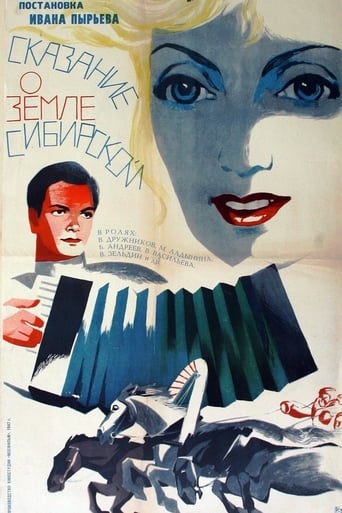
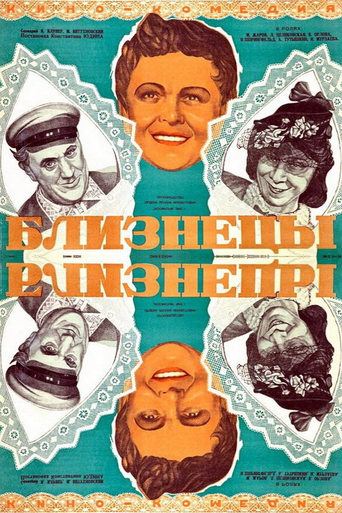
Soviet actress who had a brief but notable career in the mid-1940s, appearing primarily in films that reflected the Soviet cinematic landscape of the immediate post-World War II era. Her most recognized work came in 1945 with the film 'Twins,' followed by her appearance in 'Tale of the Siberian Land' in 1947, which was characteristic of the socialist realist style prevalent in Soviet cinema during Stalin's era. Her career appears to have been concentrated in a very specific period, coinciding with the end of World War II and the early post-war reconstruction years in the Soviet Union. Like many Soviet actors of her generation, her work was likely subject to the strict artistic guidelines and ideological requirements imposed by the state film industry. Her performances would have been crafted to align with the cultural and political messaging expected in Soviet cinema of the time. Despite her limited filmography, her contributions represent an important slice of Soviet cinematic history during a pivotal transitional period.
The Craft
On Screen
Likely adhered to the socialist realist acting style common in Soviet cinema of the 1940s, characterized by clear emotional expression and ideological commitment in performance
Milestones
- Appeared in 'Twins' (1945)
- Starred in 'Tale of the Siberian Land' (1947)
Best Known For
Iconic Roles
Must-See Films
Working Relationships
Studios
Why They Matter
Impact on Culture
Vera Vasileva's work, though limited in scope, represents the broader context of Soviet cinema during the immediate post-World War II period. Her participation in films like 'Tale of the Siberian Land' contributed to the cultural narrative of Soviet reconstruction and the celebration of Soviet achievements during Stalin's era. Her career exemplifies how many Soviet actors contributed to the state's cultural objectives through their performances, even if their individual careers were brief or not extensively documented. Her work stands as proof of the collective nature of Soviet filmmaking, where individual actors served the larger ideological and artistic goals of the state.
Lasting Legacy
While Vera Vasileva may not be widely remembered in contemporary film history, her contributions to Soviet cinema in the mid-1940s represent an important part of the cultural landscape of that era. Her films serve as historical artifacts that provide insight into the artistic and ideological priorities of Soviet society during the post-war reconstruction period. The preservation of her work in these films ensures that future generations can study and understand the cinematic techniques and cultural values of mid-20th century Soviet cinema.
Who They Inspired
Due to her brief career and limited filmography, there is little documented evidence of Vera Vasileva's direct influence on other actors or filmmakers. However, like all Soviet actors of her generation, her performances contributed to the broader tradition of socialist realist acting that influenced subsequent generations of Soviet and Russian performers.
Off Screen
Very limited information is available about Vera Vasileva's personal life, which is not uncommon for Soviet actors of her generation, especially those with brief careers in the state-controlled film industry.
Did You Know?
- Her entire known filmography consists of only two films made within a two-year period
- Both of her known films were produced during the immediate aftermath of World War II
- 'Tale of the Siberian Land' (1947) was part of the Soviet tradition of films celebrating regional achievements and development
- Her career coincided with the height of Stalin's control over Soviet cinema and culture
- The brevity of her career was not uncommon for Soviet actors who may have faced political or professional challenges
- Like many Soviet actors of her era, detailed biographical information was often not preserved or made publicly available
Frequently Asked Questions
Who was Vera Vasileva?
Screen credits include two notable films: 'Twins' (1945) and 'Tale of the Siberian Land' (1947). Her career was brief but representative of Soviet cinema during the immediate post-World War II period.
What films is Vera Vasileva best known for?
Titles linked here include Twins (1945), Tale of the Siberian Land (1947).
When was Vera Vasileva born and when did she die?
Unfortunately, specific birth and death dates for Vera Vasileva are not readily available in historical records, which is not uncommon for Soviet actors of her generation with brief careers.
What awards did Vera Vasileva win?
There are no documented awards or nominations for Vera Vasileva in available historical records, which was typical for many Soviet actors who had brief careers in the state film industry.
What was Vera Vasileva's acting style?
Vera Vasileva likely employed the socialist realist acting style prevalent in Soviet cinema of the 1940s, characterized by clear emotional expression and performances aligned with state cultural objectives.
Why was Vera Vasileva's career so brief?
The brevity of Vera Vasileva's career (1945-1947) could be attributed to various factors common in the Soviet film industry, including political pressures, professional challenges, or personal decisions in the highly controlled state cinema system of Stalin's era.