Irina Murzayeva
Actor
Born: October 9, 1906 in Moscow, Russian Empire Died: January 3, 1988 Active: 1934-1986 Birth Name: Irina Ivanovna Murzayeva (Ирина Ивановна Мурзаева)
Films
3 films
About Irina Murzayeva
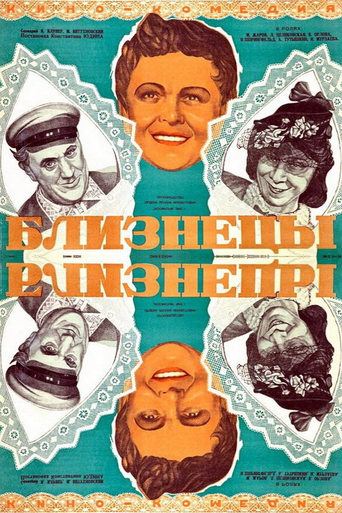
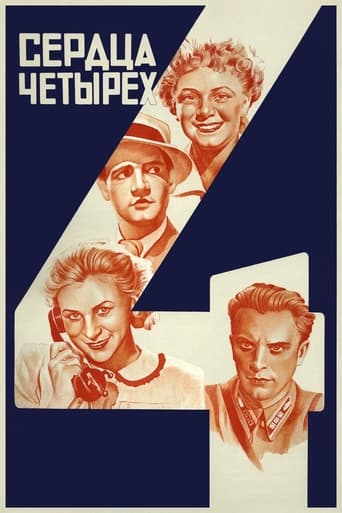
Irina Ivanovna Murzayeva — Soviet actress whose over four decades, though she achieved her greatest prominence during the 1940s and 1950s. Born in Moscow in 1906, she graduated from the Russian State Institute of Performing Arts and began her career in theater before transitioning to cinema. Murzayeva became particularly renowned for her comedic talents, often playing eccentric, memorable supporting characters that endeared her to Soviet audiences. During World War II, she appeared in several patriotic films that boosted morale on the home front, including 'Four Hearts' (1941). Her performances in the immediate post-war period, such as in 'Twins' (1945), solidified her reputation as one of Soviet cinema's most reliable character actresses. Throughout her career, she balanced her film work with stage performances, particularly at the Moscow Satire Theatre where she honed her comedic craft. In 1977, she was honored with the title People's Artist of the RSFSR, recognizing her significant contributions to Soviet arts and culture. Her final years were spent in Moscow, where she remained a respected figure in the artistic community until her death in 1988.
The Craft
On Screen
Murzayeva was known for her distinctive comedic timing and ability to create memorable eccentric characters. Her performances combined physical comedy with sharp verbal wit, often portraying strong-willed, opinionated women with hearts of gold. She had a remarkable talent for making even minor supporting roles unforgettable through her expressive facial features and unique vocal delivery. Her style was rooted in the tradition of Russian theatrical comedy but adapted effectively to the cinematic medium.
Milestones
- Graduated from Russian State Institute of Performing Arts
- Joined Moscow Satire Theatre
- Breakthrough role in 'Four Hearts' (1941)
- Prolific film career with over 50 appearances
- Awarded People's Artist of the RSFSR (1977)
- Successful transition from theater to film
- Became one of Soviet cinema's most recognizable character actresses
Best Known For
Iconic Roles
Must-See Films
Accolades
Won
- People's Artist of the RSFSR (1977)
- Honored Artist of the RSFSR (1954)
- Order of the Badge of Honour
- Order of the Red Banner of Labour
Nominated
- State Prize of the RSFSR nomination for theatrical work
Special Recognition
- Named as one of the 100 most influential Soviet actresses
- Moscow Satire Theatre Wall of Fame
- Soviet Film Archives retrospective exhibition (1990)
Working Relationships
Worked Often With
Studios
Why They Matter
Impact on Culture
Irina Murzayeva became an iconic figure in Soviet popular culture, particularly through her memorable comedic performances that brought laughter to generations of Soviet citizens during challenging times. Her characters often represented the resilient, witty Soviet woman who could find humor even in difficult circumstances. During World War II and the post-war reconstruction period, her films provided much-needed comic relief and escapism. She helped establish the archetype of the eccentric but lovable supporting character that became a staple of Soviet cinema. Her work contributed to the development of a uniquely Soviet style of comedy that balanced social commentary with entertainment.
Lasting Legacy
Murzayeva's legacy endures through her extensive filmography, which continues to be shown on Russian television and studied in film schools. She is remembered as. Her performances in films like 'Four Hearts' and 'Twins' are still cited as examples of perfect comedic timing in Soviet cinema. The Moscow Satire Theatre maintains an archive of her performances, and retrospectives of her work are regularly featured in Russian film festivals. Younger Russian actresses often cite her as an influence, particularly in the art of comedic character development.
Who They Inspired
Murzayeva influenced generations of Soviet and Russian actresses through her distinctive approach to character comedy. Her technique of blending physical comedy with psychological depth became a model for character actresses in Russian cinema. She demonstrated that supporting roles could be as impactful as leads, inspiring many actors to embrace character work. Her success in both theater and film showed the importance of maintaining a connection to live performance, a lesson many subsequent Russian actors have taken to heart. Contemporary Russian comedians continue to reference her work and cite her as an inspiration for their own careers.
Off Screen
Murzayeva led a relatively private personal life despite her public fame. She married fellow actor Nikolai Kuzmin, with whom she sometimes appeared on stage. The couple had one daughter, Elena, who also pursued a career in the arts as a theater critic. Murzayeva was known for her dedication to her craft and often spent long hours at the theater, even during periods of limited film work. She maintained close friendships with many of her theatrical colleagues throughout her life. In her later years, she suffered from declining health but remained active in the artistic community until shortly before her death.
Education
Graduated from Russian State Institute of Performing Arts (1934)
Family
- Nikolai Kuzmin (1935-1972)
Did You Know?
- Despite her fame, Murzayeva never owned a car and preferred using Moscow public transport
- She could memorize entire scripts after just one reading
- Her distinctive laugh was often used without her permission in other films
- She turned down several leading roles, preferring character parts
- During WWII, she performed for soldiers at the front lines
- She spoke five languages fluently but rarely used this skill in films
- Her makeup routine took over two hours daily due to her commitment to character
- She collected antique Russian dolls as a hobby
- She was known for her charitable work, often donating her earnings to orphanages
- Her final film appearance came at age 80, playing a grandmother in a children's film
In Their Own Words
Comedy is not about making faces, it's about revealing the truth through laughter
Every character, no matter how small, deserves a complete soul
The stage is my home, but the camera is my window to the world
In difficult times, laughter is not just entertainment - it's survival
I never played a role, I lived it - even if only for a few minutes on screen
Frequently Asked Questions
Who was Irina Murzayeva?
Celebrated Soviet actress known for her comedic roles in over 50 films from the 1930s to the 1980s. She was particularly renowned for her eccentric character performances and was honored as a People's Artist of the RSFSR in 1977.
What films is Irina Murzayeva best known for?
Titles linked here include Four Hearts (1941), Twins (1945).
When was Irina Murzayeva born and when did she die?
Born October 9, 1906; died January 3, 1988.
What awards did Irina Murzayeva win?
Murzayeva received the prestigious title of People's Artist of the RSFSR in 1977, was named an Honored Artist of the RSFSR in 1954, and was awarded the Order of the Badge of Honour and the Order of the Red Banner of Labour for her contributions to Soviet arts.
What was Irina Murzayeva's acting style?
Murzayeva was known for her distinctive comedic style that combined physical comedy with sharp wit and psychological depth. She specialized in creating memorable eccentric characters through expressive facial features, unique vocal delivery, and impeccable comedic timing.
Did Irina Murzayeva work in theater as well as film?
Yes, Murzayeva had an extensive theater career, particularly with the Moscow Satire Theatre where she developed her comedic craft. She balanced her film work with stage performances throughout her career, considering theater essential to maintaining her acting skills.