
Limpopo
"Animals as ambulance"
Keys: Space play/pause · ←/→ 10s · F fullscreen · M mute · </> speed
About this film
1939 Soviet cartoon medic enlists jungle animals to reach patients across rivers and terrain. A medic gets help from the animal kingdom to reach his patients.
Cast & crew
More films like this
More Animation films
View all →


More from Vladimir Polkovnikov
View all →

More about this film
About the production
Release dateDecember 30, 1939
Box officeUnknown - box office tracking was not systematically recorded in the Soviet Union during this period
ProductionSoyuzdetfilm
Filmed inMoscow, Soviet Union
This was one of the first feature-length animated films produced in the Soviet Union, created using traditional cel animation techniques. The production team faced significant challenges due to limited resources and the primitive state of Soviet animation technology in the late 1930s. The film was based on Korney Chukovsky's popular 1925 children's poem 'Aibolit' (Doctor Aybolit), which was already beloved by Soviet children. The animation was hand-drawn and colored, a labor-intensive process that took over a year to complete with a small team of animators.
Themes
Compassion and helping othersInternational cooperationHuman-animal relationshipsMedical care and healingJourney and adventure
Themes & topics
Historical background
1939 placed Limpopo within Soviet Union cinema as Soyuzdetfilm navigated wartime markets, immigration audiences, and the shift from intertitles to sound.
Why this film matters
Archivists revisit Limpopo (1939) for Vladimir Polkovnikov style, genre norms at Soyuzdetfilm, and the exhibition context of 45 minutes programming.
Making of
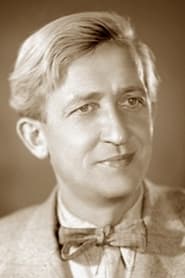
The production of 'Limpopo' took place at the Soyuzdetfilm studio, which was specifically created for children's films in the Soviet Union. Vladimir Polkovnikov, who had previously directed several animated shorts, saw this as an opportunity to create something more ambitious. The animation team worked with limited resources, often recycling animation cels due to material shortages. The voice recording was done using primitive sound equipment, with actors performing their lines live to picture, a common practice in early Soviet animation. The character designs were heavily influenced by Soviet artistic ideals of the time, with Dr. Aybolit portrayed as a benevolent, almost fatherly figure embodying socialist values of care for others. The international journey in the film was meant to promote the Soviet ideal of internationalism and solidarity among all peoples and creatures.
What critics said
Retrospective writing on Limpopo stresses craft by Vladimir Polkovnikov, print survival, and repertory value rather than opening-week gross alone.
Did you know?
- The film is based on Korney Chukovsky's poem 'Doctor Aybolit,' which itself was inspired by Hugh Lofting's Doctor Dolittle stories, though Chukovsky created his own distinct character and storyline
- Director Vladimir Polkovnikov was one of the pioneers of Soviet animation, having previously worked on early animated shorts before taking on this ambitious feature project
- The character of Dr. Aybolit became especially beloved characters in Soviet children's literature and media, appearing in numerous adaptations throughout the decades
- The film's release in December 1939 came at a tense time in Soviet history, just before the Winter War with Finland began, making its message of international cooperation particularly poignant
- The animation techniques used were relatively primitive by today's standards, but innovative for the Soviet Union, where animation was still in its developmental stages
- The voice actors, including Vladimir Lepko as Dr. Aybolit, were well-known stage actors from Moscow's theaters, bringing theatrical gravitas to the animated characters
- The film's score incorporated elements of African music, though interpreted through a Soviet lens, to create an exotic atmosphere for the Limpopo setting
- Despite its age, the film remained popular in Soviet cinemas and was regularly shown to children for decades after its release
- The name 'Limpopo' refers to the real Limpopo River in southern Africa, though the film's geography was fantastical rather than accurate
- This was one of the last major animated features released in the Soviet Union before World War II disrupted the film industry
Awards & recognition
- None documented - Soviet animated films from this era rarely received formal awards
Visual style
The film used traditional cel animation techniques with hand-drawn characters and backgrounds. The visual style was characteristic of late 1930s Soviet animation, with bold lines and relatively simple color palettes due to technical limitations. The animation featured exaggerated character movements and expressions typical of early animation, designed to clearly convey emotions and actions to young audiences. Backgrounds were painted with attention to detail, creating distinct environments for Dr. Aybolit's journey. The international settings were rendered with stereotypical visual elements that would be recognizable to Soviet children. The film's visual storytelling relied heavily on movement and expression rather than subtle details, a practical choice given the animation technology of the era.
Innovations
As one of the first Soviet animated feature films, 'Limpopo' represented a significant technical achievement for the Soviet animation industry. The production team developed techniques for maintaining consistency across a longer animated narrative, a challenge that had not been widely addressed in Soviet animation previously. The film demonstrated the feasibility of producing feature-length animation with limited resources, using creative solutions to overcome technical limitations. The synchronization of voice acting with animation was particularly noteworthy, as this was still a developing technology in Soviet film production. The film's successful completion proved that Soviet studios could produce longer animated works, encouraging investment in animation technology and training in subsequent years.
Music
The film's music was composed specifically for the production, incorporating elements that suggested different geographical regions as Dr. Aybolit traveled. The score included several songs that helped advance the narrative and reinforce the film's themes. The musical style reflected Soviet popular music of the late 1930s, with catchy melodies and simple rhythms appropriate for children. Sound effects were created using basic techniques common in early animation, with exaggerated sounds for character movements and actions. The voice recording technology of the era gave the audio a distinctive quality that modern audiences might find quaint but was standard for the time. The soundtrack successfully supported the film's emotional journey and helped maintain young viewers' engagement throughout the story.
Famous quotes
I will help everyone who needs my help, no matter how far away they are!
Animals are our friends, and we must always be there for them in their time of need
Even the longest journey becomes short when you're helping others
Kindness knows no borders or species
Memorable scenes
- Dr. Aybolit receiving the desperate letter from the sick animals in Limpopo
- The doctor's journey across the ocean with help from friendly whales
- The wolves pulling Dr. Aybolit's sleigh through the snowy landscape
- The final scene where Dr. Aybolit successfully treats all the sick animals in Limpopo
What audiences thought
The film was warmly received by Soviet children and became a staple of children's cinema programming for decades. Many Soviet children who saw the film upon its release remembered it fondly, with Dr. Aybolit becoming a familiar and beloved character. Parents appreciated the film's moral lessons and educational content. The film was regularly shown in Soviet cinemas, schools, and children's centers throughout the 1940s and 1950s. Its popularity led to subsequent adaptations of the Dr. Aybolit story in various media, including live-action films and television programs. The enduring affection for the character and story among generations of Soviet citizens demonstrates the film's successful connection with its intended audience.
Film connections
Influenced by
- Hugh Lofting's Doctor Dolittle stories (indirect influence via Chukovsky's adaptation)
- Korney Chukovsky's poem 'Doctor Aybolit'
- Disney animated features of the 1930s (technical inspiration)
- Soviet children's literature traditions
This film influenced
- Subsequent Soviet adaptations of Dr. Aybolit stories
- Other Soviet animated features based on children's literature
- Soviet children's films featuring animal characters
Film restoration
The film has been preserved in the Russian State Film Archive (Gosfilmofond) and digital restorations have been completed. While some deterioration is evident due to the age of the original materials, the film remains viewable and has been released on DVD in Russia. The preservation status is considered good for a film of its era, though some color fading and minor print damage are present in existing copies.
Where to watch
- Available on Russian streaming platforms specializing in classic Soviet cinema
- DVD releases from Russian distributors specializing in classic animation
- Film archives and museums specializing in Soviet cinema
- Occasionally broadcast on Russian television channels featuring classic films
- Some international film festival retrospectives on Soviet animation