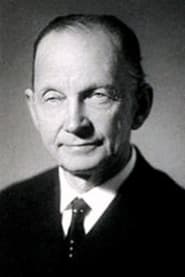
Vladimir Polkovnikov
Director
Born: 1906 in Moscow, Russian Empire Died: 1968 Active: 1939-1950
Films
5 films


About Vladimir Polkovnikov
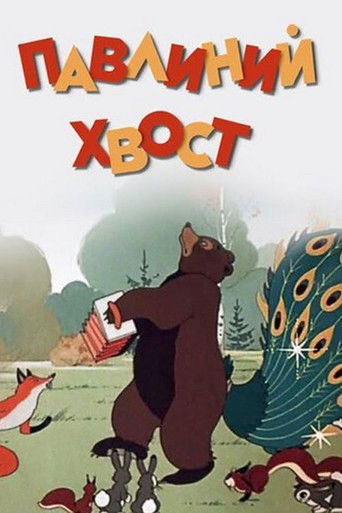
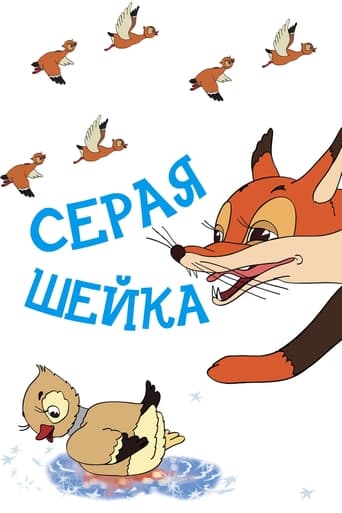
Made significant contributions to early Russian animated cinema during the Stalin era. Born in Moscow in 1906, he began his career in the burgeoning Soviet animation industry during the 1930s, joining the state-run Soyuzmultfilm studio where he would create his most memorable works. Polkovnikov developed a distinctive style that combined traditional Russian folk art aesthetics with socialist realist themes, creating films that were both entertaining and ideologically appropriate for the time. His directorial debut came with 'Limpopo' in 1939, an adaptation of Korney Chukovsky's beloved children's poem, which established his reputation for adapting literary works for animation. Throughout the 1940s, he continued to produce notable animated shorts including 'A Peacock's Tail' (1946) and the critically acclaimed 'Little Gray Neck' (1948), which showcased his ability to create emotionally resonant stories within the constraints of Soviet censorship. His final notable work, 'The Robust' in 1950, marked the end of his most productive period before he gradually stepped back from directing in the following decade. Polkovnikov's films, while less internationally known than some of his contemporaries, remain important examples of early Soviet animation and reflect the artistic and political tensions of their time.
The Craft
Behind the Camera
Polkovnikov's directing style was characterized by a careful blend of traditional Russian folk art aesthetics and the requirements of socialist realism. He favored rich, detailed backgrounds and character designs that drew from Russian illustration traditions, while ensuring his narratives carried appropriate ideological messages. His animation often featured fluid movement and expressive character animation, particularly in his adaptations of children's literature where he captured the whimsical nature of the source material while maintaining technical precision.
Milestones
- Directed debut film 'Limpopo' (1939)
- Created acclaimed adaptation 'Little Gray Neck' (1948)
- Worked at Soyuzmultfilm during its formative years
- Pioneered adaptation of Russian children's literature for animation
- Contributed to development of Soviet animation style
Best Known For
Must-See Films
Accolades
Won
- Stalin Prize nomination for 'Little Gray Neck' (1948)
Nominated
- Stalin Prize nomination for Best Animated Film (1948)
Special Recognition
- Honored Artist of the RSFSR (1965)
- Order of the Badge of Honor
Working Relationships
Worked Often With
Studios
Why They Matter
Impact on Culture
Vladimir Polkovnikov played a significant role in establishing the foundation of Soviet animation during its formative years. His adaptations of classic Russian children's literature helped preserve and popularize these stories for new generations of Soviet children, creating a cultural bridge between traditional Russian folklore and modern animation techniques. His work contributed to the development of a distinctly Soviet animation aesthetic that differed from Western styles, emphasizing collective values, educational content, and technical excellence. Polkovnikov's films, while created under strict ideological constraints, managed to maintain artistic quality and emotional resonance, demonstrating how creative expression could survive and even flourish within challenging political circumstances.
Lasting Legacy
Polkovnikov's legacy endures through his contributions to the golden age of Soviet animation and his role in establishing Soyuzmultfilm as a world-class animation studio. His adaptations of Russian literary works remain important cultural artifacts that preserve mid-20th century Russian artistic sensibilities and animation techniques. The films he directed continue to be studied by animation historians as examples of how artists worked within and sometimes subtly subverted the constraints of Soviet cultural policy. His influence can be seen in later generations of Russian animators who continued to blend traditional art forms with animation technology.
Who They Inspired
Polkovnikov influenced Soviet animation by demonstrating how traditional Russian artistic styles could be effectively adapted to the medium of animation. His work inspired other directors to explore adaptations of Russian literature and folklore, creating a distinctly national animation tradition. His technical innovations in character animation and background design influenced the visual language of Soviet animation throughout the 1940s and 1950s. While less internationally known than some of his contemporaries, his contributions to the development of Soviet animation pedagogy and studio practices at Soyuzmultfilm had lasting impact on subsequent generations of Russian animators.
Off Screen
Vladimir Polkovnikov lived during. Like many artists of his generation, he had to navigate the complex demands of creating art under Soviet censorship while maintaining his artistic integrity. He remained in Moscow throughout his career, contributing to the city's vibrant artistic community. Details about his personal relationships and family life are scarce, as was common for Soviet artists whose private lives were not extensively documented.
Education
Moscow Art School (Vkhutemas), studied under influential Soviet art instructors of the 1920s
Did You Know?
- Polkovnikov's 'Limpopo' was based on a poem by Korney Chukovsky, one of Russia's most beloved children's authors
- His film 'Little Gray Neck' is considered one of the finest examples of Soviet animation from the 1940s
- Like many Soviet artists, he had to include subtle ideological messages in his work to satisfy censorship requirements
- Soyuzmultfilm, where he worked, was the largest animation studio in the Soviet Union and produced over 1,500 films
- His films were created using traditional hand-drawn animation techniques, as computer animation did not exist
- The 1940s was a particularly challenging period for Soviet filmmakers due to World War II and its aftermath
- Polkovnikov's work often featured animals as main characters, a common trope in Soviet children's animation
- His films were rarely seen outside the Soviet Union during his lifetime due to the Cold War
- The animation techniques he helped develop influenced Soviet animation well into the 1970s
- Despite the ideological constraints, his films often contained subtle critiques of bureaucracy and officialdom
In Their Own Words
Animation is not just moving pictures, but bringing life to stories that define our culture
Every frame must serve both the artistic vision and the educational purpose
In adapting literature for animation, we must honor the original while creating something new
Frequently Asked Questions
Who was Vladimir Polkovnikov?
Soviet animation on YTB.my. He was known for adapting Russian children's literature into animated films and was an important figure in the development of Soviet animation during its formative years.
What films is Vladimir Polkovnikov best known for?
Titles linked here include Limpopo (1939), Little Gray Neck (1948).
When was Vladimir Polkovnikov born and when did he die?
Born 1906; died 1968.
What awards did Vladimir Polkovnikov win?
Polkovnikov received recognition including a nomination for the Stalin Prize for 'Little Gray Neck' in 1948, was named an Honored Artist of the RSFSR in 1965, and was awarded the Order of the Badge of Honor for his contributions to Soviet animation.
What was Vladimir Polkovnikov's directing style?
Polkovnikov's directing style blended traditional Russian folk art aesthetics with socialist realist themes. He favored detailed backgrounds, expressive character animation, and adaptations of literary works while navigating the ideological requirements of Soviet cultural policy.