Vladimir Lepko
Actor
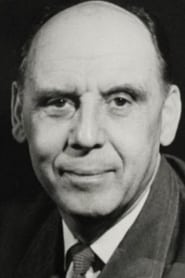
Born: June 20, 1898 in Saint Petersburg, Russian Empire Died: January 28, 1963 Active: 1934-1945 Birth Name: Vladimir Alexandrovich Lepko
Films
5 films


About Vladimir Lepko
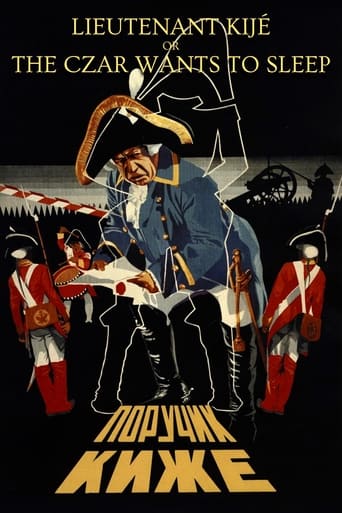
Prominent Soviet comic actor who specialized in character roles during the 1930s and 1940s, a period often considered the Golden Age of Soviet cinema. He began his film career in the early 1930s and quickly established himself as a reliable comedic performer, known for his distinctive facial expressions and timing. Lepko worked primarily with the major Soviet film studios of the era, including Lenfilm and Mosfilm, collaborating with some of the most respected directors of his time. His most memorable role came in the classic comedy 'Lieutenant Kizhe' (1934), where his performance contributed significantly to the film's enduring popularity. Throughout his career, he appeared in numerous musical comedies and satirical films that were characteristic of Soviet cinema under Stalin's regime. Lepko's the crucial period when Soviet cinema was transitioning from silent films to sound, and he successfully adapted to the new medium. His final film appearances came in the mid-1940s, after which he largely retired from acting as the Soviet film industry entered its postwar phase.
The Craft
On Screen
Lepko was known for his expressive comedic style, utilizing exaggerated facial expressions and physical comedy that was characteristic of Soviet comedy actors of his era. His performances often featured a blend of slapstick humor with subtle social commentary, navigating the strict censorship requirements of Stalinist cinema while maintaining entertainment value. He had a particular talent for playing eccentric supporting characters who provided comic relief in otherwise serious narratives.
Milestones
- Breakthrough role in Lieutenant Kizhe (1934)
- Leading comedic performances in late 1930s Soviet cinema
- Work with prominent Soviet directors Alexander Rou and Alexander Ivanovsky
- Transition from silent to sound films during Soviet cinema's golden era
- Established himself as a character actor in musical comedies
Best Known For
Iconic Roles
Must-See Films
Accolades
Special Recognition
- Honored Artist of the RSFSR (1939)
Working Relationships
Worked Often With
Studios
Why They Matter
Impact on Culture
Vladimir Lepko contributed to the development of Soviet comedy cinema during its formative years, helping establish a tradition of character-driven humor that would influence generations of Soviet and Russian comedians. His work in films like 'Lieutenant Kizhe' helped demonstrate how comedy could be used to subtly critique bureaucracy and authoritarianism while remaining within acceptable bounds of Soviet censorship. Lepko's performances represented a bridge between the theatrical traditions of pre-revolutionary Russia and the new medium of Soviet cinema, adapting classic comedic techniques for the screen.
Lasting Legacy
Though not as internationally recognized as some of his contemporaries, Vladimir Lepko remains an important figure in the history of Soviet cinema, particularly in the comedy genre. His films continue to be studied by film historians as examples of how comedy functioned within the strict ideological constraints of Stalinist culture. Lepko's work represents an important chapter in the development of Soviet film comedy, showing how humor could survive and even thrive under authoritarian conditions.
Who They Inspired
Lepko's approach to character comedy influenced subsequent generations of Soviet comedic actors, particularly in his ability to create memorable supporting characters that could steal scenes from leads. His techniques for blending physical comedy with subtle social commentary became a template for later Soviet comedians who had to navigate similar censorship challenges.
Off Screen
Vladimir Lepko lived through. His career coincided with Stalin's rule, a time when the arts were heavily censored and controlled by the state. Despite the political pressures of the era, Lepko managed to maintain a successful acting career by working within the constraints of the Soviet system while entertaining audiences with his comedic talents.
Education
Graduated from the Leningrad Institute of Performing Arts in the 1920s
Did You Know?
- Lepko began his career in theater before transitioning to film in the early 1930s
- His role in 'Lieutenant Kizhe' was one of his most memorable, despite being a supporting part
- He worked during a time when Soviet cinema was heavily state-controlled and censored
- Many of his films were musical comedies, a popular genre in 1930s Soviet cinema
- His active years covered the crucial transition period from silent to sound films in the USSR
- Lepko received the title 'Honored Artist of the RSFSR' in 1939, recognizing his contributions to Soviet culture
- He retired from acting shortly after World War II, as the Soviet film industry underwent significant changes
- His films often featured fairy tale or folk story elements, common in Soviet family entertainment of the era
Frequently Asked Questions
Who was Vladimir Lepko?
Soviet comic with credits in this catalog. He specialized in character roles and became recognized as an Honored Artist of the RSFSR for his contributions to Soviet cinema.
What films is Vladimir Lepko best known for?
Titles linked here include Lieutenant Kizhe (1934), Wish upon a Pike (1938).
When was Vladimir Lepko born and when did he die?
Born June 20, 1898; died January 28, 1963.
What awards did Vladimir Lepko win?
Lepko was named an Honored Artist of the RSFSR in 1939, which was a significant state recognition for his contributions to Soviet culture and cinema during the Stalin era.
What was Vladimir Lepko's acting style?
Lepko was known for his expressive comedic style featuring exaggerated facial expressions and physical comedy. He specialized in playing eccentric supporting characters in musical comedies, adapting theatrical traditions for the screen while navigating Soviet censorship requirements.