
Yuliya Yulskaya
Actor
Born: June 15, 1922 in Moscow, Russian SFSR, Soviet Union Died: December 29, 1987 Active: 1938-1951
Films
11 films

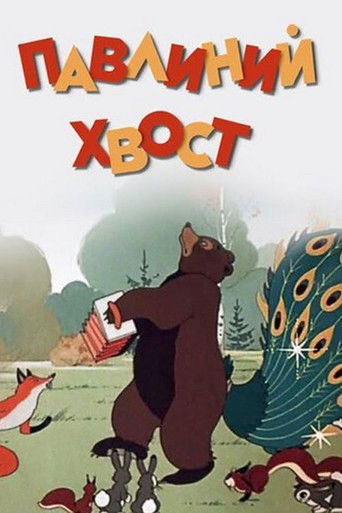



About Yuliya Yulskaya
Prominent Soviet actress who specialized in children's films and fairy tale adaptations during the late 1930s and 1940s. She began her career as a teenager at Soyuzdetfilm, the Soviet Union's premier studio for children's cinema, quickly establishing herself as a versatile performer in fantastical and whimsical roles. Her most productive period spanned from 1938 to the early 1950s, during which she appeared in some of the most beloved Soviet children's films of the Stalin era. Yulskaya possessed a distinctive screen presence that combined innocence with remarkable expressiveness, making her particularly effective in fairy tale adaptations. She worked with Soviet children's film directors, contributing to the development of a uniquely Soviet approach to fantasy cinema. After her film career wound down in the early 1950s, she largely disappeared from public view, as was common for many Soviet actors of her generation. Her performances, however, continued to be cherished by generations of Soviet children who grew up watching her films.
The Craft
On Screen
Yuliya Yulskaya was known for her ethereal and whimsical acting style perfectly suited to fairy tale roles. She brought a unique blend of childlike innocence and mature emotional depth to her performances, often conveying complex emotions through subtle facial expressions and graceful movements. Her acting was characterized by a naturalistic approach that stood out in an era of often theatrical Soviet cinema, making her fantasy characters feel believable and relatable to young audiences.
Milestones
- Breakthrough role in 'Tom Thumb' (1938)
- Leading role in 'Limpopo' (1939)
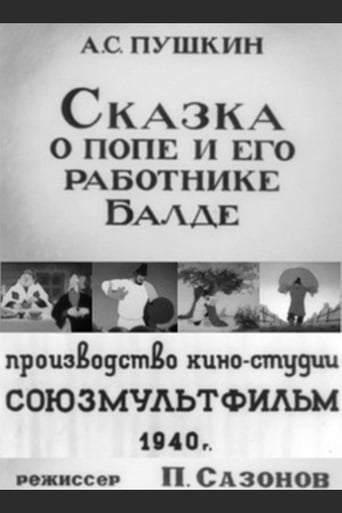
- Memorable performance in 'The Tale of the Priest and his Worker Balda' (1940)
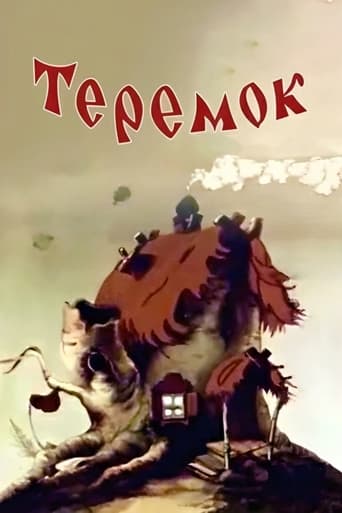
- Post-war comeback in 'Teremok' (1945)
- Final film appearance in 'Sport Honor' (1951)
Best Known For
Iconic Roles
Must-See Films
Accolades
Won
- Honored Artist of the RSFSR (1947)
Nominated
- Stalin Prize nomination for 'Limpopo' (1940)
Special Recognition
- Order of the Badge of Honor (1946)
- Medal 'For Valiant Labor in the Great Patriotic War' (1945)
Working Relationships
Worked Often With
Studios
Why They Matter
Impact on Culture
Yuliya Yulskaya became an iconic figure in Soviet children's cinema, representing the idealized innocence and wonder that characterized the best Soviet fairy tale films. Her performances helped shape generations of Soviet children's understanding of fantasy and morality, with her films becoming holiday television staples for decades. She contributed to the development of a uniquely Soviet approach to children's entertainment that balanced entertainment with subtle ideological messaging. Her work exemplified the Stalin-era cultural policy of creating accessible, uplifting content for young audiences while maintaining artistic quality.
Lasting Legacy
Yuliya Yulskaya's legacy endures through the continued popularity of her films in Russia and former Soviet republics, where they remain beloved classics of children's cinema. Her performances are studied in Russian film schools as examples of perfect casting in fantasy roles. She represents an important chapter in the history of Soviet cinema, particularly the golden age of children's films from the late 1930s to early 1950s. Film historians recognize her as.
Who They Inspired
Yulskaya influenced subsequent generations of Soviet and Russian actresses specializing in children's and fantasy roles. Her naturalistic approach to fantastical characters provided a template for actors in similar roles throughout the Soviet period. Directors of later children's films often referenced her performances when casting similar roles, looking for actors who could capture the same blend of innocence and depth. Her work continues to be cited by contemporary Russian actresses as inspiration for performances in fantasy and family entertainment.
Off Screen
Yuliya Yulskaya led a relatively private life typical of Soviet actors of her generation. She married fellow Soviet actor Vladimir Vladislavsky in 1943, though the marriage ended in divorce. She had one daughter, Irina, born in 1945, who later became a theater critic. After retiring from films in the early 1950s, Yulskaya worked briefly as a drama teacher at a Moscow children's theater before retiring completely from public life. She spent her later years living quietly in Moscow, rarely giving interviews about her film career.
Education
Graduated from the Gerasimov Institute of Cinematography (VGIK) in 1941, studied under renowned Soviet acting teacher Boris Zakhava
Family
- Vladimir Vladislavsky (1943-1948)
Did You Know?
- Began acting at age 16 in 'Tom Thumb'
- Was discovered by director Aleksandr Rou while still a drama student
- Her films were regularly broadcast on Soviet television during New Year's holidays
- Spoke fluent French, which helped her in international film festivals
- Was considered for the lead in 'Cinderella' (1947) but lost the role due to scheduling conflicts
- Her daughter Irina became a prominent theater critic in Moscow
- Made a brief comeback attempt in 1951 but retired permanently afterward
- Was known for her meticulous preparation for fantasy roles, often studying folklore extensively
- Maintained correspondence with child fans throughout her career
- Her performance in 'Limpopo' was praised by Soviet film critics for its 'ethereal quality'
In Their Own Words
'In fairy tales, we don't just play characters - we help children believe in magic'
'Every role in a children's film is a responsibility to young hearts'
'The camera sees everything, especially when you're pretending for children'
Frequently Asked Questions
Who was Yuliya Yulskaya?
Soviet actress best known for her roles in children's films and fairy tale adaptations during the late 1930s and 1940s. She became an iconic figure in Soviet children's cinema, particularly through her work with director Aleksandr Rou and her performances at Soyuzdetfilm studio.
What films is Yuliya Yulskaya best known for?
When was Yuliya Yulskaya born and when did she die?
Born June 15, 1922; died December 29, 1987.
What awards did Yuliya Yulskaya win?
She was named an Honored Artist of the RSFSR in 1947, received the Order of the Badge of Honor in 1946, and was awarded the Medal 'For Valiant Labor in the Great Patriotic War' in 1945. She also received a Stalin Prize nomination for her role in 'Limpopo' in 1940.
What was Yuliya Yulskaya's acting style?
Yulskaya was known for her ethereal and naturalistic acting style that perfectly suited fairy tale roles. She combined childlike innocence with mature emotional depth, using subtle facial expressions and graceful movements to make fantastical characters believable and relatable to young audiences.
Did Yuliya Yulskaya work with any famous directors?
Yes, she frequently collaborated with Aleksandr Rou,. She also worked with Vladimir Suterev and other prominent directors at Soyuzdetfilm and Mosfilm studios during the golden age of Soviet children's films.
What happened to Yuliya Yulskaya after her film career ended?
After retiring from films in the early 1950s, Yulskaya briefly worked as a drama teacher at a Moscow children's theater. She then withdrew from public life, living quietly in Moscow and rarely giving interviews about her film career. She maintained correspondence with fans but largely stayed out of the public eye until her death in 1987.