Films
3 films
About Herbert Rappaport
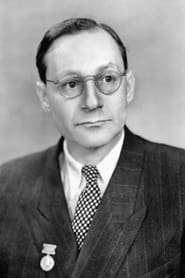
film director active during the 1940s and early 1950s — known for his work on musical films and dramatic features. His the period of World War II and the immediate post-war era, during which he directed several notable productions that reflected the cinematic styles and themes of their time. Rappaport's filmography demonstrates versatility across genres, from musical entertainment to more serious dramatic works. His directorial approach appeared to blend entertainment value with social commentary, particularly evident in his wartime and post-war productions. While not as widely documented as some of his contemporaries, Rappaport contributed to the cinematic landscape film history. His work represents the transitional period in cinema when the industry was adapting to new technologies and changing audience preferences. The limited surviving information about his career suggests he was a competent craftsman who served the medium during challenging times in world history.
The Craft
Behind the Camera
Rappaport's directing style appeared to focus on accessible entertainment with musical elements, particularly evident in his early work. His films during the wartime period likely reflected the patriotic and morale-boosting themes common in cinema of that era. His approach to storytelling seemed to balance entertainment value with the social and political contexts of his time.
Milestones
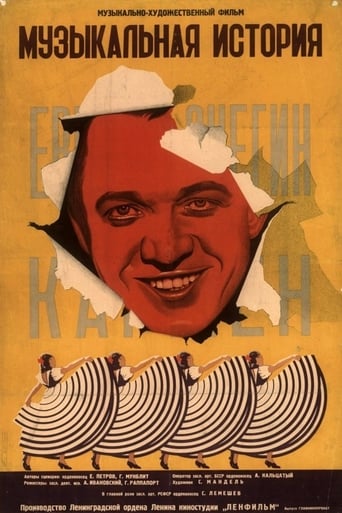
- Directed 'Musical Story' in 1940, establishing his reputation in the musical genre
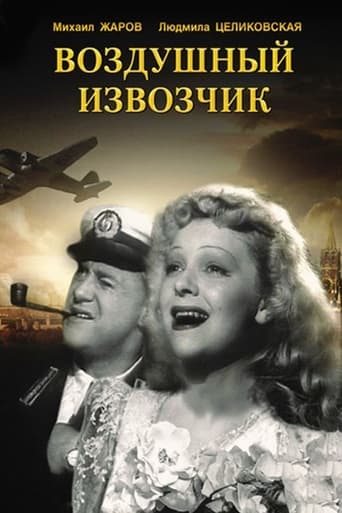
- Created 'Air Taxi' in 1943 during World War II, contributing to wartime cinema
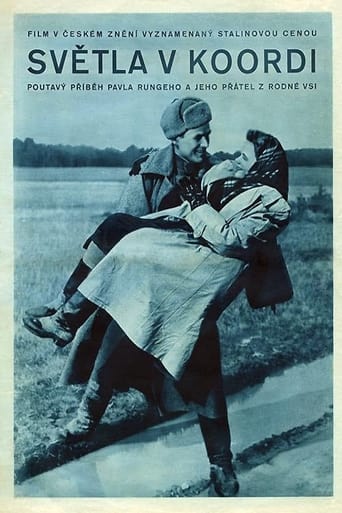
- Completed 'Light Over Koordi' in 1951, marking his final known directorial work
Best Known For
Must-See Films
Why They Matter
Impact on Culture
Herbert Rappaport's cultural impact appears to be primarily regional rather than international, with his films contributing to the cinematic landscape during the World War II and immediate post-war periods. His work in the musical genre during the early 1940s represents the continued popularity of musical entertainment even during global conflict. The existence of films like 'Air Taxi' during wartime suggests his contributions to cinema as both entertainment and potentially as a medium for wartime messaging. His final known work, 'Light Over Koordi' in 1951, places him within the generation of filmmakers who navigated the transition from wartime to post-war cinema.
Lasting Legacy
Herbert Rappaport's legacy is preserved through his three known directorial works that span a crucial decade in cinema history. While not widely recognized in mainstream film histories, his contributions represent the work of countless directors who helped maintain the film industry during challenging times. His filmography shows the diverse range of filmmakers working outside the major Hollywood studios during the Golden Age of cinema. The survival of his films provides valuable insight into the types of productions being created during the 1940s and early 1950s.
Who They Inspired
Due to limited documentation of Rappaport's career and the relatively small number of known works, his direct influence on subsequent generations of filmmakers is difficult to trace. However, like all directors of his era, he contributed to the evolution of cinematic language and storytelling techniques during a transformative period in film history. His work in musical films would have been part of the broader development of the genre during its golden age.
Off Screen
Very limited information is available about Herbert Rappaport's personal life, which is not uncommon for directors of his era who worked outside the major Hollywood studio system. His career appears to have been focused primarily on his directorial work during the 1940s and early 1950s.
Did You Know?
- Herbert Rappaport's active directing active years covered exactly 11 years, from 1940 to 1951
- All three of his known films were released in different decades (1940s: two films, 1950s: one film)
- His filmography includes work during World War II, a period when global cinema faced unique challenges
- The title 'Light Over Koordi' suggests he may have worked in international or non-English language cinema
- His career appears to have ended relatively early compared to many of his contemporaries
Frequently Asked Questions
Who was Herbert Rappaport?
on YTB.my. His active years covered the World War II period and the immediate post-war era.
What films is Herbert Rappaport best known for?
Titles linked here include Musical Story (1940), Air Taxi (1943).
When was Herbert Rappaport born and when did he die?
Specific birth and death dates for Herbert Rappaport are not documented in available sources. His known directing active years covered from 1940 to 1951, placing his professional activity during the mid-20th century.
What awards did Herbert Rappaport win?
There are no documented awards or nominations for Herbert Rappaport in the available film history records. Like many directors of his era who worked outside major studio systems, his contributions may not have been widely recognized through formal awards.
What was Herbert Rappaport's directing style?
Based on his known works, Rappaport's directing style included musical elements and appeared to balance entertainment with the social contexts of his time. His films during the 1940s likely reflected the cinematic trends and themes prevalent during World War II and the post-war period.