
Films
3 films
About Tatyana Govorkova
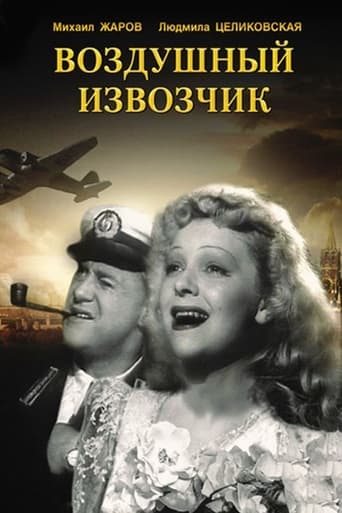
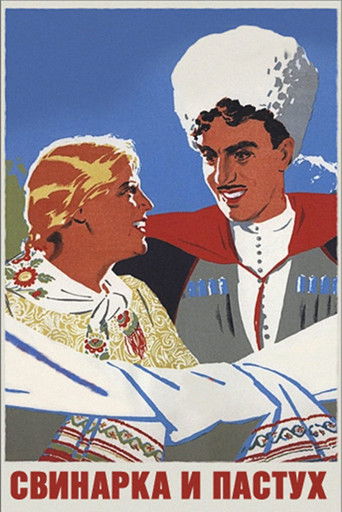
Soviet actress who had a brief but notable career during the early 1940s, appearing in several propaganda films produced during World War II. Her filmography, though limited, consists of three significant Soviet productions from 1941-1943, a period when Soviet cinema was heavily focused on patriotic themes and morale-boosting content. Her most notable work was in 'Swineherd and Shepherd' (1941), a popular musical comedy that became one of the highest-grossing Soviet films of its time. Tatyana Govorkova appeared in 'We Await Your Victorious Return' (1941), another wartime production designed to support the war effort through cinema. Her final credited role was in 'Air Taxi' (1943), continuing her association with films that served both entertainment and propaganda purposes during the Great Patriotic War. Like many Soviet actors of her generation, her career was likely impacted by the political and social upheavals of the era, though specific details about her later life remain scarce in available historical records.
The Craft
On Screen
Based on her filmography, Govorkova likely performed in the socialist realist style prevalent in Soviet cinema of the 1940s, characterized by clear emotional expression and patriotic themes typical of wartime productions.
Milestones
- Appeared in 'Swineherd and Shepherd' (1941),
- Participated in wartime cinema productions during the Great Patriotic War
- Worked during the peak of Soviet propaganda filmmaking era
Best Known For
Iconic Roles
Must-See Films
Working Relationships
Worked Often With
Studios
Why They Matter
Impact on Culture
Tatyana Govorkova contributed to the Soviet wartime cinema machine that played a crucial role in maintaining civilian and military morale during the Great Patriotic War. Her participation in films like 'Swineherd and Shepherd' helped create the cultural narrative of Soviet unity and resilience during one of the nation's most challenging periods. Though not a major star, her work as part of ensemble casts in these productions represents the collective effort of Soviet artists to support the war effort through cinema. These films have since become important historical artifacts, providing insight into Soviet cultural production during WWII and the propaganda techniques employed to rally the population.
Lasting Legacy
Tatyana Govorkova's legacy is preserved through her participation in historically significant Soviet wartime films that continue to be studied by film historians and cultural scholars. Her work exemplifies the role of supporting actors in the Soviet film industry during the 1940s, where even minor performances contributed to the overall impact of propaganda and entertainment films. The films she appeared in, particularly 'Swineherd and Shepherd,' remain important examples of Soviet cinema's ability to combine entertainment with ideological messaging during wartime. Her career, though brief, represents the typical trajectory of many Soviet character actors who served their country through artistic contributions during critical historical moments.
Who They Inspired
As a supporting actress during the Soviet wartime era, Tatyana Govorkova's direct influence on subsequent generations of actors is difficult to trace, but her work contributes to the broader understanding of ensemble acting in Soviet cinema. The films she participated in continue to serve as reference points for studying Soviet propaganda techniques and the role of cinema in wartime morale building. Her performances, while not individually documented in detail, represent the collective artistic effort that characterized Soviet filmmaking during the Great Patriotic War, influencing how future generations would approach politically motivated cinema.
Off Screen
Very limited information is available about Tatyana Govorkova's personal life, which is not uncommon for Soviet supporting actors from this period. Historical records from the 1940s Soviet era often focused primarily on the most prominent stars, leaving many character actors' biographical details undocumented.
Did You Know?
- Appeared in three films over a three-year period, all produced during the Great Patriotic War (WWII)
- 'Swineherd and Shepherd' (1941) was
- Her entire known filmography consists of wartime productions, reflecting the focus of Soviet cinema during this period
- The films she appeared in were all produced by major Soviet studios and served both entertainment and propaganda purposes
- Like many Soviet actors of her era, detailed biographical information is scarce in Western film databases
- Her career coincided with
- The films she worked on represent examples of the socialist realist style that dominated Soviet cinema in the 1940s
Frequently Asked Questions
Who was Tatyana Govorkova?
Soviet actress active in the early 1940s, known for appearing in three wartime films including 'Swineherd and Shepherd' (1941). She was part of the Soviet film industry during the Great Patriotic War, contributing to cinema that served both entertainment and propaganda purposes.
What films is Tatyana Govorkova best known for?
Titles linked here include Swineherd and Shepherd (1941), We Await Your Victorious Return (1941).
When was Tatyana Govorkova active in films?
Tatyana Govorkova's known film active years covered from 1941 to 1943, coinciding with the Great Patriotic War (WWII) when Soviet cinema was heavily focused on patriotic themes and war-related content.
What was Tatyana Govorkova's acting style?
Based on her filmography and the period in which she worked, Govorkova likely performed in the socialist realist style prevalent in Soviet cinema of the 1940s, characterized by clear emotional expression and patriotic themes typical of wartime productions.
Why is there limited information about Tatyana Govorkova?
Limited biographical information about Tatyana Govorkova is not uncommon for Soviet supporting actors from the 1940s. Historical records from this period often focused primarily on the most prominent stars, leaving many character actors' personal details undocumented, especially in Western databases.