
Mikhail Kuznetsov
Actor
Born: 1910 in Russian Empire Died: null Active: 1942-1946 Birth Name: Mikhail Ivanovich Kuznetsov
Films
6 films
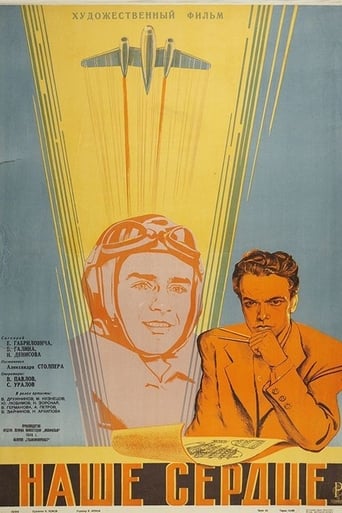
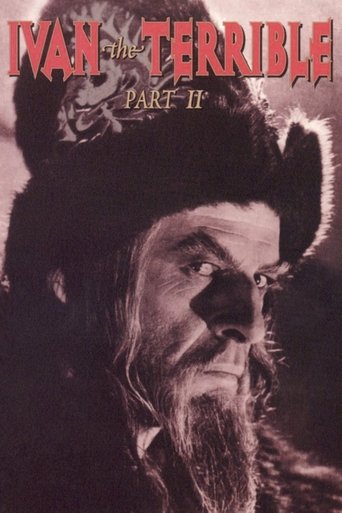
About Mikhail Kuznetsov
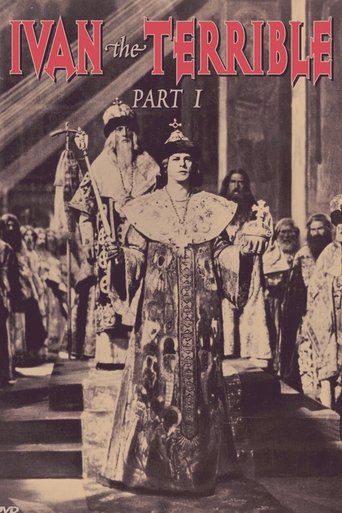
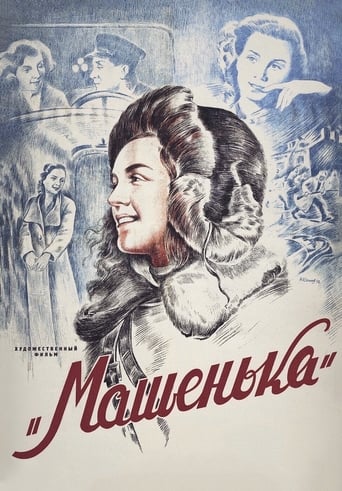
Prominent Soviet actor: career flourished during the 1940s, coinciding with some of the most significant years of Soviet cinema. He began his film career during World War II, a period when Soviet cinema was heavily focused on patriotic themes and wartime narratives. His breakthrough came with his role in 'Mashenka' (1942), which established him as a reliable character actor in the Soviet film industry. Kuznetsov gained international recognition for his appearance in Sergei Eisenstein's masterpiece 'Ivan the Terrible, Part I' (1944), where he played one of the supporting roles in this epic historical drama. Throughout his brief but notable career, he worked with some of the Soviet Union's most respected directors and appeared in films that reflected the ideological and artistic concerns of wartime and post-war Soviet society. His performances were characterized by a naturalistic style that balanced the requirements of Socialist Realism with genuine emotional depth. Though his career was cut short, his contributions to Soviet cinema during a critical historical period remain significant.
The Craft
On Screen
Naturalistic performance style within the Socialist Realist framework, characterized by understated emotional expression and strong character presence
Milestones
- Breakthrough role in Mashenka (1942)
- Appeared in Eisenstein's Ivan the Terrible, Part I (1944)
- Worked during critical WWII period in Soviet cinema
- Multiple film releases during wartime 1942-1946
Best Known For
Iconic Roles
Must-See Films
Working Relationships
Worked Often With
Studios
Why They Matter
Impact on Culture
Mikhail Kuznetsov contributed to Soviet cinema during one of its most challenging and ideologically significant periods. His work during World War II and the immediate post-war years helped shape the cinematic narrative of the Soviet struggle and victory. His participation in Eisenstein's 'Ivan the Terrible' placed him within the context of. Though not a major star, his consistent presence in films of the 1940s represents the ensemble nature of Soviet cinema, where character actors played crucial roles in building the collective narrative of the nation.
Lasting Legacy
Mikhail Kuznetsov's legacy lies primarily in his contribution to wartime Soviet cinema, particularly his role in preserving and projecting Soviet cultural values during a period of national crisis. His work in 'Ivan the Terrible' ensures his place in film history as part of one of cinema's most celebrated epics. While not widely known outside specialist circles, his filmography provides valuable insight into the functioning of the Soviet film industry during the 1940s and the types of narratives being produced during this pivotal historical moment.
Who They Inspired
As a character actor rather than a leading star, Kuznetsov's influence was primarily in supporting the visions of major directors like Eisenstein. His naturalistic approach within the constraints of Socialist Realism demonstrated how actors could maintain artistic integrity while working within the Soviet system. His career trajectory, though brief, represents the typical path of many Soviet actors who contributed significantly to their national cinema without achieving international fame.
Off Screen
Limited information is available about Mikhail Kuznetsov's personal life, which was common for many Soviet actors of his era whose biographies were often subsumed by their professional contributions to cinema.
Education
Likely trained at Soviet film or theater institutions, though specific educational details are not well documented in available sources
Did You Know?
- Appeared in films during the height of World War II when Soviet cinema was crucial for morale
- Worked with legendary director Sergei Eisenstein on his final masterpiece
- His entire known filmography spans only five years (1942-1946)
- Participated in the Mosfilm studio system during its golden age
- His career coincided with some of the most restrictive years of Stalinist cultural policy
- The films he appeared in were typical of Soviet wartime propaganda and post-war reconstruction themes
- Like many Soviet actors of his generation, detailed biographical information remains limited in Western sources
Frequently Asked Questions
Who was Mikhail Kuznetsov?
Soviet with credits in this catalog. He worked primarily with Mosfilm studio and contributed to several significant films during World War II.
What films is Mikhail Kuznetsov best known for?
Titles linked here include Ivan the Terrible, Part I (1944), Mashenka (1942).
When was Mikhail Kuznetsov born and when did he die?
Born 1910; died null.
What awards did Mikhail Kuznetsov win?
There are no documented major awards or nominations for Mikhail Kuznetsov in available sources. This was typical for many supporting actors in Soviet cinema who contributed significantly to films without receiving individual recognition.
What was Mikhail Kuznetsov's acting style?
Kuznetsov employed a naturalistic acting style within the framework of Socialist Realism, characterized by understated emotional expression and strong character presence. His performances balanced ideological requirements with genuine dramatic depth.
Did Mikhail Kuznetsov work with any famous directors?
Yes, his most significant collaboration was with legendary director Sergei Eisenstein on 'Ivan the Terrible, Part I' (1944). He also worked with other notable Soviet directors of the period including Yuli Raizman.
What was Mikhail Kuznetsov's contribution to Soviet cinema?
Kuznetsov contributed to Soviet cinema during the critical World War II period, appearing in films that supported the war effort and post-war reconstruction. His work in ensemble casts helped create the collective narratives characteristic of Soviet cinema of the 1940s.