
Ada Vojtsik
Actor
Born: July 30, 1905 in Moscow, Russian Empire Died: May 2, 1982 Active: 1928-1944 Birth Name: Ada Alexandrovna Vojtsik
Films
7 films
About Ada Vojtsik
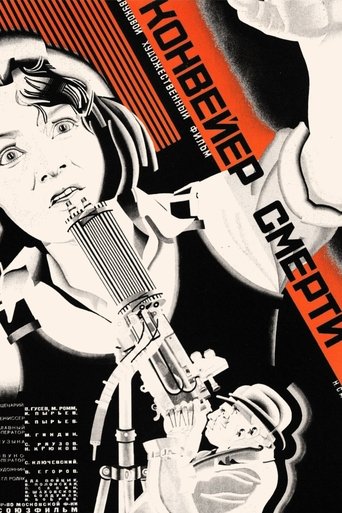
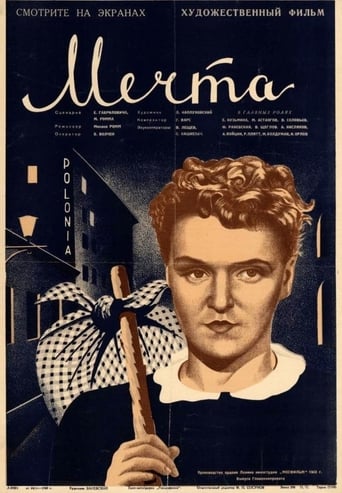
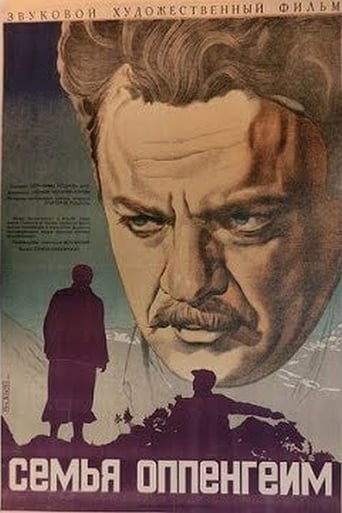
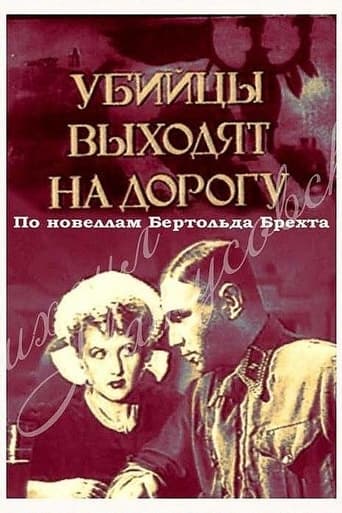
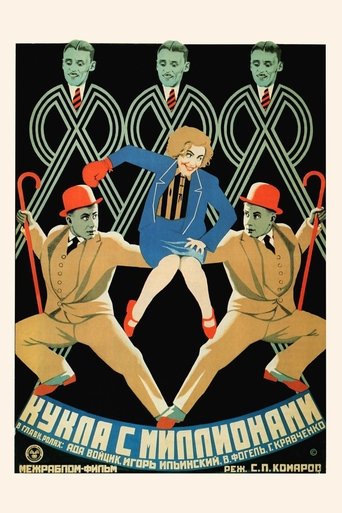
Soviet actress active during the transition from silent films to early sound cinema in the 1920s and 1930s. She began her career during the late silent era with appearances in films like 'The Doll with Millions' in 1928. As Soviet cinema evolved with the advent of sound technology, Vojtsik successfully transitioned to talkies, appearing in numerous productions throughout the 1930s and early 1940s. Her filmography includes notable works such as 'Conveyor of Death' (1933), 'Anna' (1936), 'The Oppenheim Family' (1938), and 'Dream' (1941), which showcased her versatility as an actress during a transformative period in Soviet filmmaking. Her screen career ran from 1928 to 1944, covering both the silent era and the early sound period of Soviet cinema. While detailed records of her complete filmography are limited, her contributions to Soviet cinema during this important historical period are documented through her surviving film works.
The Craft
On Screen
Classical Soviet acting style characterized by emotional intensity and dramatic expression, typical of the socialist realism aesthetic prevalent in Soviet cinema of the 1930s.
Milestones
- Film debut in 'The Doll with Millions' (1928)
- Transition from silent to sound films
- Notable role in 'Conveyor of Death' (1933)
- Performance in 'Anna' (1936)
- Appearance in 'The Oppenheim Family' (1938)
- Final film appearance in 'Dream' (1941)
Best Known For
Iconic Roles
Must-See Films
Working Relationships
Studios
Why They Matter
Impact on Culture
Ada Vojtsik contributed to the development of Soviet cinema during its crucial transition from silent films to sound, participating in films that reflected the ideological and artistic priorities of the Soviet state during the 1930s. Her work helped establish the visual and narrative language of socialist realism in Soviet cinema.
Lasting Legacy
While not widely known internationally, Ada Vojtsik represents the generation of Soviet actors who bridged the gap between the experimental silent era and the more ideologically controlled sound period of Soviet cinema. Her surviving films serve as historical documents of Soviet filmmaking during the 1930s and early 1940s.
Who They Inspired
As part of the Soviet film industry during its formative years, Vojtsik contributed to the development of acting styles and techniques that would influence subsequent generations of Soviet actors.
Off Screen
Ada Vojtsik lived through significant historical periods in Russian and Soviet history, from the final years of the Russian Empire through the Stalin era. Her career coincided with the formative years of Soviet cinema and the establishment of socialist realism as the dominant artistic style.
Did You Know?
- Active during the transition from silent to sound cinema in the Soviet Union
- Her active years covered the period when socialist realism became the dominant style in Soviet art
- Appeared in films during
- Worked in the Soviet film industry during the Stalin era
- Her filmography reflects the themes and concerns of Soviet society in the 1930s
Frequently Asked Questions
Who was Ada Vojtsik?
Screen credits include films during the transition from silent to sound cinema in the Soviet Union. She is known for her roles in films such as 'The Doll with Millions' (1928), 'Conveyor of Death' (1933), and 'Anna' (1936).
What films is Ada Vojtsik best known for?
Titles linked here include The Doll with Millions (1928), Conveyor of Death (1933).
When was Ada Vojtsik born and when did she die?
Born July 30, 1905; died May 2, 1982.
What awards did Ada Vojtsik win?
There are no documented major awards or nominations for Ada Vojtsik in the available records. Her contributions were primarily to the development of Soviet cinema during its formative years rather than through formal recognition.
What was Ada Vojtsik's acting style?
Ada Vojtsik's acting style was characteristic of classical Soviet cinema of the 1930s, featuring emotional intensity and dramatic expression aligned with the socialist realism aesthetic that dominated Soviet filmmaking during her active period.