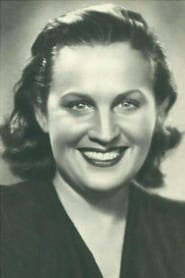
Olga Zhizneva
Actor
Born: November 18, 1899 in Moscow, Russian Empire Died: November 10, 1972 Active: 1925-1947 Birth Name: Olga Andreyevna Zhizneva
Films
7 films

About Olga Zhizneva
Prominent Soviet actress who emerged during the silent film era and successfully transitioned into sound cinema. She began her career in the mid-1920s, quickly establishing herself as a versatile performer in Soviet cinema's golden age. Zhizneva worked with some of the most important directors of the Soviet film industry, appearing in both dramatic and comedic roles. Her filmography spans the crucial period of Soviet cinema's development from silent films through the Stalin era. She was particularly active during the 1920s and 1930s, appearing in numerous significant productions that reflected Soviet cultural values and artistic innovation. Her career continued through World War II, during which she appeared in patriotic films supporting the war effort. Zhizneva's performances were characterized by their emotional depth and technical precision, making her respected actresses of her generation in Soviet cinema.
The Craft
On Screen
Zhizneva was known for her naturalistic acting style that combined emotional intensity with subtle psychological depth. Her performances in silent films demonstrated exceptional use of facial expressions and body language to convey complex emotions. In sound films, she maintained this nuanced approach while adding vocal characterization that reflected both Soviet theatrical traditions and emerging cinematic realism. Her technique was particularly effective in portraying strong female characters who embodied Soviet ideals while remaining relatable and human.
Milestones
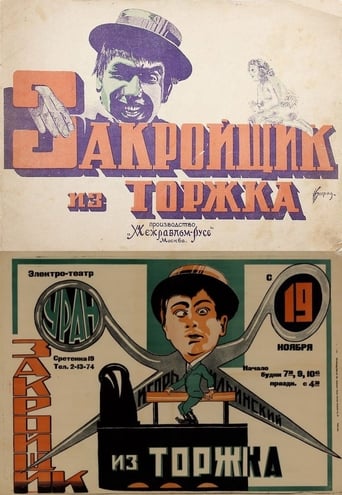
- Film debut in The Tailor from Torzhok (1925)
- Breakthrough role in The Case of the Three Million (1926)
- Successful transition to sound cinema in the 1930s
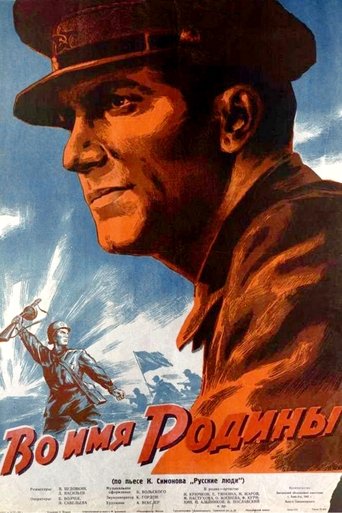
- Patriotic film work during World War II
- Recognition as Honored Artist of the RSFSR
Best Known For
Iconic Roles
Must-See Films
Accolades
Won
- Honored Artist of the RSFSR (1935)
Nominated
- Stalin Prize nomination (1943)
Special Recognition
- Order of the Red Banner of Labour (1944)
- Medal for Valiant Labour in the Great Patriotic War (1945)
Working Relationships
Worked Often With
Studios
Why They Matter
Impact on Culture
Olga Zhizneva played a significant role in the development of Soviet cinema during its formative years. Her work helped establish the archetype of the Soviet heroine - strong, principled, and devoted to socialist ideals. Her performances in patriotic films during World War II contributed to morale and cultural unity during a critical period in Soviet history. Zhizneva's successful transition from silent to sound cinema demonstrated the technical and artistic evolution of Soviet film acting. She represented the ideal of the Soviet actress who could serve both artistic and ideological purposes without compromising her craft.
Lasting Legacy
Olga Zhizneva's legacy endures through her influential performances that defined an era of Soviet cinema. Her films are studied today as examples of how artistic expression could flourish within the constraints of Soviet cultural policy. She is remembered as one of the actresses who helped establish the technical and emotional vocabulary of Soviet film acting. Her work continues to be preserved and screened at film festivals and retrospectives dedicated to classic Soviet cinema. Zhizneva's career shows the resilience and creativity of artists working under challenging political conditions.
Who They Inspired
Zhizneva influenced subsequent generations of Soviet and Russian actresses through her naturalistic acting style and ability to convey complex emotions within ideological constraints. Her technique of blending psychological realism with Soviet theatrical traditions became a model for actors in state-sponsored productions. Younger actresses studied her performances to learn how to maintain artistic integrity while fulfilling the cultural demands of the Soviet system. Her approach to character development, particularly in portraying strong female protagonists, became a reference point for Soviet cinema's representation of women.
Off Screen
Olga Zhizneva led a relatively private life away from the spotlight, focusing primarily on her craft and family. She was married to fellow Soviet actor Nikolai Cherkasov,. Their marriage was considered. Despite the political pressures of the Stalin era, Zhizneva managed to maintain her artistic integrity while navigating the complex demands of Soviet cultural policy. She was known among colleagues for her professionalism and dedication to the art of cinema.
Education
Moscow Art Theatre School, graduated 1924
Family
- Nikolai Cherkasov (1931-1966)
Did You Know?
- Was one of the few actresses to successfully transition from silent to sound cinema in the Soviet Union
- Her marriage to Nikolai Cherkasov was considered a 'power couple' union in Soviet cinema
- Studied under Konstantin Stanislavski at the Moscow Art Theatre
- Received the Order of the Red Banner of Labour for her contributions to Soviet cinema
- Her film The Case of the Three Million was one of the first Soviet detective films
- Survived the Stalin purges that affected many of her colleagues
- Taught acting at the State Institute of Cinematography (VGIK) in her later years
- Her final film appearance was in 1947, after which she focused on teaching
- Was known for her meticulous preparation for roles, often spending months researching characters
- Spoke several languages fluently, which helped her work with international film delegations
In Their Own Words
Acting is not just performing, it's understanding the soul of your character and the spirit of your time.
In Soviet cinema, we don't just entertain, we educate and inspire our people to build a better future.
The transition from silent to sound film was challenging, but it allowed us to add another dimension to our art - the power of the human voice.
Frequently Asked Questions
Who was Olga Zhizneva?
Prominent Soviet actress who worked in cinema from 1925 to 1947, spanning the silent era through the Stalin period. She was known for her versatile performances in both dramatic and patriotic films, and was recognized as an Honored Artist of the RSFSR for her contributions to Soviet cinema.
What films is Olga Zhizneva best known for?
Titles linked here include The Tailor from Torzhok (1925), The Case of the Three Million (1926).
When was Olga Zhizneva born and when did she die?
Born November 18, 1899; died November 10, 1972.
What awards did Olga Zhizneva win?
Zhizneva was named Honored Artist of the RSFSR in 1935, received the Order of the Red Banner of Labour in 1944, and was awarded the Medal for Valiant Labour in the Great Patriotic War in 1945 for her contributions during WWII.
What was Olga Zhizneva's acting style?
Zhizneva was known for her naturalistic acting style that combined emotional intensity with subtle psychological depth. She excelled at using facial expressions and body language in silent films, then added nuanced vocal characterization in sound films while maintaining her signature emotional authenticity.