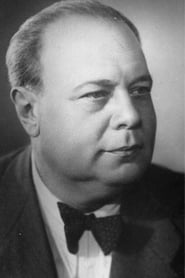
Viktor Stanitsyn
Actor
Born: March 14, 1897 in Yekaterinburg, Russian Empire Died: December 6, 1976 Active: 1925-1976 Birth Name: Viktor Yakovlevich Stanitsyn (Виктор Яковлевич Станицын)
Films
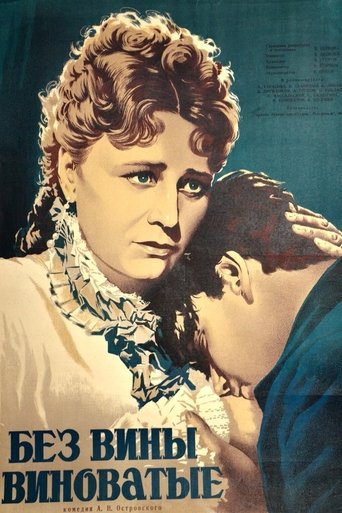
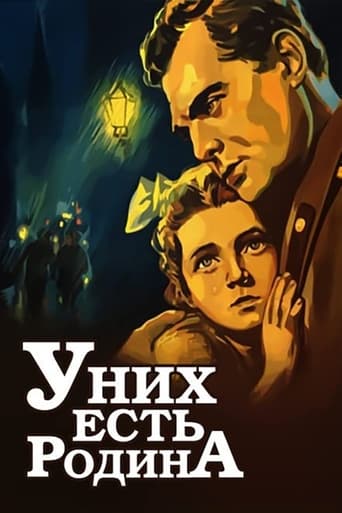
4 films
About Viktor Stanitsyn
Viktor Yakovlevich Stanitsyn was actors of the Soviet era, renowned for his powerful performances on both stage and screen. Born in 1897, he began his theatrical career in the provincial theaters before joining the prestigious Moscow Art Theatre (MKhAT) in 1925, where he would remain for over five decades. Stanitsyn's film career flourished during the 1930s and 1940s, a period when Soviet cinema was establishing its artistic identity under state guidance. His breakthrough came with his role in 'The Paris Commune' (1936), which showcased his ability to embody complex historical characters with psychological depth. Throughout his career, Stanitsyn was particularly celebrated for his interpretations of classical Russian literature, bringing new dimensions to works by Ostrovsky, Chekhov, and Gorky. Despite the political pressures of the Stalinist era, he maintained artistic integrity while becoming respected cultural figures in the Soviet Union. His later years saw him transition to teaching and mentoring the next generation of actors at the Moscow Art Theatre School, cementing his legacy as both performer and educator.
The Craft
On Screen
Stanitsyn was known for his deeply psychological approach to character development, combining classical Russian theatrical tradition with modern realism. His performances were characterized by meticulous attention to detail, powerful vocal delivery, and an extraordinary ability to convey complex emotional states through subtle gestures and expressions. He excelled in both dramatic and comedic roles, bringing intellectual depth and human warmth to every character he portrayed.
Milestones
- Joined Moscow Art Theatre in 1925
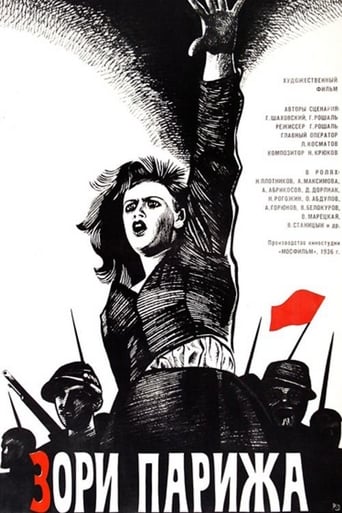
- Breakthrough role in 'The Paris Commune' (1936)
- Awarded People's Artist of the USSR (1948)
- Stalin Prize recipient (1943, 1949)
- Leading actor at MKhAT for over 50 years
- Taught at Moscow Art Theatre School
- Performed in over 30 stage productions
- Starred in 15+ feature films
Best Known For
Iconic Roles
Must-See Films
Accolades
Won
- Stalin Prize (1943)
- Stalin Prize (1949)
- Order of Lenin (1947)
- Order of the Red Banner of Labour (1938)
- Order of the October Revolution (1972)
Nominated
- Nominated for multiple state film awards during Soviet era
Special Recognition
- People's Artist of the USSR (1948)
- People's Artist of the RSFSR (1945)
- Honored Artist of the RSFSR (1937)
- Moscow Art Theatre Hall of Fame
Working Relationships
Worked Often With
Studios
Why They Matter
Impact on Culture
Viktor Stanitsyn played a crucial role in preserving and evolving the traditions of Russian theatrical art during the Soviet period. As a leading figure at the Moscow Art Theatre, he helped maintain the Stanislavsky system while adapting it to contemporary Soviet artistic demands. His film performances helped shape the archetype of the Soviet intellectual hero, combining dignity, moral integrity, and revolutionary consciousness. Stanitsyn's work bridged the gap between pre-revolutionary Russian theatrical culture and Soviet artistic expression, ensuring the continuity of Russian dramatic traditions.
Lasting Legacy
Stanitsyn's legacy endures through his extensive body of work in both theater and cinema, as well as through the generations of actors he taught and influenced. The Moscow Art Theatre continues to honor his memory, and his performances are studied as models of classical Russian acting technique. His interpretations of classical roles remain reference points for contemporary actors, and his film work represents some of the finest examples of Soviet cinema's artistic achievements.
Who They Inspired
Stanitsyn influenced Soviet and Russian acting through his embodiment of the Stanislavsky method, demonstrating how psychological realism could be applied to both contemporary and classical roles. His teaching at the MKhAT school shaped generations of Soviet actors who would become stars in their own right. International theater scholars have studied his work as an example of how classical Russian acting techniques survived and evolved under Soviet cultural policies.
Off Screen
Viktor Stanitsyn was deeply devoted to the theatrical arts and lived a life centered around his craft at the Moscow Art Theatre. He was known for his intellectual pursuits, extensive reading, and dedication to mentoring young actors. Despite his fame, he maintained a relatively private personal life, focusing on his artistic work and family. His home became a gathering place for theatrical intellectuals and artists during the Soviet era.
Education
Graduated from drama school in Yekaterinburg, later studied at Moscow Art Theatre school under Konstantin Stanislavsky and Vladimir Nemirovich-Danchenko
Family
- Alla Tarasova (1928-1976) - fellow actress and People's Artist of the USSR
Did You Know?
- Was one of the few actors to successfully transition from silent films to sound films in Soviet cinema
- Maintained a friendship with director Sergei Eisenstein
- Survived the Stalinist purges that affected many cultural figures
- His marriage to Alla Tarasova was considered one of Soviet theater's great partnerships
- Spent World War II performing for troops and in evacuation zones
- Was known for his extensive personal library of theatrical literature
- Refused to join the Communist Party until late in his career, maintaining artistic independence
- His voice was considered
- Often performed in benefit concerts for war orphans
- Continued acting on stage until shortly before his death at age 79
In Their Own Words
The actor must not only play the role, he must live it, breathe it, and become one with it.
Theater is not a profession, it is a calling that demands your entire soul.
In every character, there is a piece of humanity that connects us all.
The stage is a mirror that reflects not only the play, but the truth of our times.
To act is to understand the human heart in all its complexity and beauty.
Frequently Asked Questions
Who was Viktor Stanitsyn?
Renowned Soviet with credits in this catalog. He was celebrated for both his stage work and film performances during the Soviet era, particularly known for his interpretations of classical Russian literature and historical characters.
What films is Viktor Stanitsyn best known for?
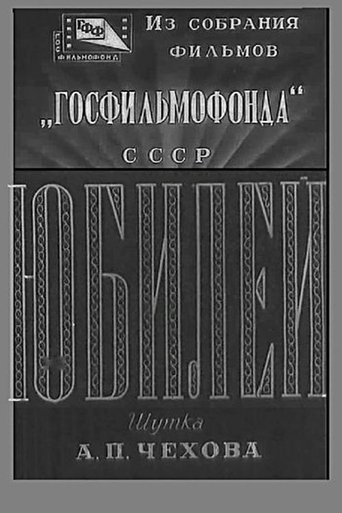
Titles linked here include The Paris Commune (1936), Jubilee (1944).
When was Viktor Stanitsyn born and when did he die?
Born March 14, 1897; died December 6, 1976.
What awards did Viktor Stanitsyn win?
Stanitsyn received the highest honors in Soviet culture, including the title People's Artist of the USSR (1948), two Stalin Prizes (1943 and 1949), the Order of Lenin, and the Order of the Red Banner of Labour. These awards recognized his outstanding contributions to Soviet theater and cinema.
What was Viktor Stanitsyn's acting style?
Stanitsyn's acting style was deeply rooted in the Stanislavsky system, characterized by psychological realism, meticulous character development, and powerful emotional expression. He was known for his intellectual approach to roles and his ability to bring depth and humanity to both classical and contemporary characters.
Was Viktor Stanitsyn married?
Yes, Viktor Stanitsyn was married to fellow actress Alla Tarasova, who was also a People's Artist of the USSR. Their marriage, which lasted from 1928 until his death in 1976, was considered one of the great partnerships in Soviet theater history.
What was Viktor Stanitsyn's connection to the Moscow Art Theatre?
Stanitsyn joined the Moscow Art Theatre (MKhAT) in 1925 and remained there for the rest of his career, becoming one of its leading actors. He worked closely with founders Konstantin Stanislavsky and Vladimir Nemirovich-Danchenko, and later taught at the theatre's school, influencing generations of Soviet actors.