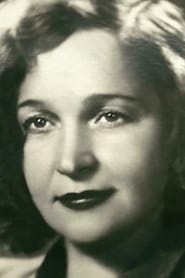
Vera Maretskaya
Actor
Born: July 31, 1906 in Barvenkovo, Kharkov Governorate, Russian Empire (now Ukraine) Died: August 17, 1978 Active: 1925-1967 Birth Name: Vera Petrovna Maretskaya
Films
10 films
About Vera Maretskaya
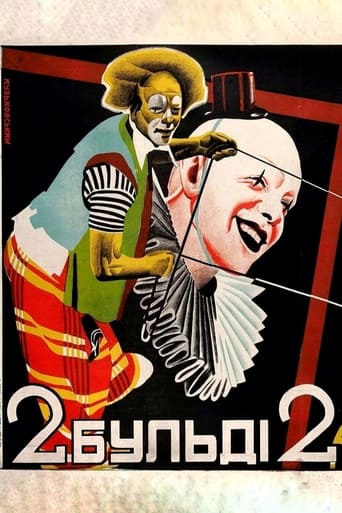
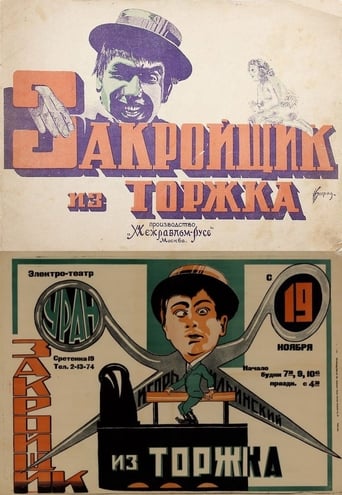
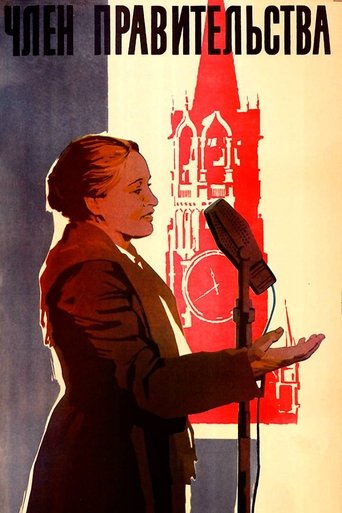
Vera Petrovna Maretskaya was and celebrated actresses of Soviet cinema, active from the silent era through the Stalinist period and beyond. Born in 1906 in what is now Ukraine, she began her acting career in the mid-1920s, quickly establishing herself as a versatile performer capable of handling both dramatic and comedic roles. Her breakthrough came with silent films like 'The Tailor from Torzhok' (1925), but she successfully transitioned to sound cinema with films such as 'Two-Buldi-Two' (1929). During the 1930s and 1940s, she became synonymous with the ideal Soviet woman, portraying strong, revolutionary characters in politically significant films like 'Member of the Government' (1939) and 'The Girl No. 217' (1945). Her performances were characterized by emotional depth, naturalistic delivery, and a powerful screen presence that resonated with Soviet audiences. Maretskaya was also a theater actress, working primarily with the Moscow Art Theatre and later the Mossovet Theatre. Her career continued into the 1950s and 1960s, though she appeared less frequently in films during this period. She remained an influential figure in Soviet cultural life until her death in 1978, leaving behind a legacy as honored actresses in Soviet history.
The Craft
On Screen
Maretskaya's acting style evolved from the theatrical traditions of early Soviet cinema to a more naturalistic, emotionally nuanced approach. In her silent film work, she employed the exaggerated expressions typical of the era, but with sound cinema, she developed a reputation for her ability to convey complex emotions through subtle facial expressions and voice modulation. Her performances were characterized by a strong sense of authenticity, whether portraying revolutionary heroines or ordinary Soviet citizens. She had a remarkable ability to embody the 'New Soviet Woman' - strong, resilient, and ideologically committed - while maintaining human warmth and vulnerability. Her technique combined rigorous theatrical training with cinematic naturalism, making her characters both ideologically exemplary and emotionally relatable to Soviet audiences.
Milestones
- Breakthrough role in 'The Tailor from Torzhok' (1925)
- Successful transition from silent to sound films
- Awarded Stalin Prize for 'Member of the Government' (1939)
- Received title of People's Artist of the USSR (1949)
- Starred in acclaimed war film 'The Girl No. 217' (1945)
- Long-standing theater career at Moscow Art Theatre
- Received Lenin Prize (1976) for lifetime achievement
Best Known For
Iconic Roles
Must-See Films
Accolades
Won
- Stalin Prize, Second Class (1941) for 'Member of the Government'
- Stalin Prize, First Class (1946) for 'The Girl No. 217'
- Stalin Prize, First Class (1948) for 'The Return of Vasili Bortnikov'
- Lenin Prize (1976) for lifetime achievement in theater and cinema
- Order of Lenin (multiple times)
- Order of the Red Banner of Labour
Nominated
- State Prize of the RSFSR named after K. S. Stanislavsky (1973)
Special Recognition
- People's Artist of the USSR (1949)
- People's Artist of the RSFSR (1947)
- Honored Artist of the RSFSR (1935)
- Moscow Art Theatre honorary member
Working Relationships
Worked Often With
Studios
Why They Matter
Impact on Culture
Vera Maretskaya's impact on Soviet cinema and culture was profound and multifaceted. She became the embodiment of the ideal Soviet woman on screen, portraying characters that were both ideologically sound and emotionally compelling. Her performances helped shape the visual and narrative language of Soviet cinema during its formative years, particularly in the socialist realist style. Maretskaya's films were used as educational tools in Soviet schools and workplaces, with her characters serving as role models for Soviet citizens. Her success demonstrated that women could be central figures in cinema, not just supporting characters or romantic interests. Beyond her screen work, she contributed to the development of Soviet theater through her performances and teaching, helping to maintain high artistic standards during politically challenging times. Her ability to navigate the demands of socialist realism while maintaining artistic integrity made her a respected figure among both cultural officials and fellow artists.
Lasting Legacy
Vera Maretskaya's legacy endures as one of the foundational figures of Soviet cinema and theater. She left behind a body of work that represents the pinnacle of Soviet acting achievement, with performances that continue to be studied by film students and actors. Her films remain important cultural artifacts, offering insight into Soviet values, aesthetics, and historical periods. The techniques she developed for balancing ideological requirements with artistic authenticity influenced generations of Soviet actors. Her name became synonymous with artistic excellence in the Soviet Union, with theaters and cultural institutions bearing her name as an honor. Maretskaya's career demonstrated how an artist could maintain personal integrity while working within a state-controlled cultural system, providing a model for subsequent generations of Soviet performers. Her recordings and writings about acting continue to be valuable resources for understanding the evolution of Soviet performance techniques.
Who They Inspired
Maretskaya influenced Soviet cinema through her approach to character development and her ability to humanize ideological figures. She showed that socialist realist characters could be complex and emotionally resonant, not just one-dimensional propaganda figures. Her naturalistic acting style influenced the transition from theatrical to cinematic performance in Soviet films. Many younger actresses studied her work to understand how to balance the demands of political content with artistic expression. Her collaboration with directors like Fridrikh Ermler helped establish new approaches to film acting in the Soviet Union. Her success in both theater and film demonstrated the possibilities for cross-medium artistic development, encouraging other performers to work across different platforms. Her mentorship of young actors at the Mossovet Theatre helped transmit her knowledge to subsequent generations.
Off Screen
Vera Maretskaya's personal life was closely intertwined with the Soviet artistic elite. She married Yuri Zavadsky, a prominent theater director, in 1932, forming. Their marriage lasted until Zavadsky's death in 1977, just a year before her own passing. The couple had no children but mentored numerous young actors and actresses throughout their careers. Maretskaya was known for her dedication to her craft and her unwavering commitment to Soviet artistic ideals, though she navigated the complex political landscape of Stalinist Russia with remarkable skill. Her home in Moscow became a gathering place for artists, writers, and cultural figures, serving as an informal salon where artistic and political ideas were exchanged.
Education
Graduated from the State Institute of Theatre Arts (GITIS) in Moscow in 1925, studying under influential theater teachers of the Soviet era. She also received additional training at the Moscow Art Theatre school, where she honed her craft in the Stanislavski system.
Family
- Yuri Zavadsky (1932-1977)
Did You Know?
- Her birth name remained unchanged throughout her career, unlike many Soviet actors who adopted stage names
- She was one of the few actresses to receive three Stalin Prizes, the highest artistic honor in the Soviet Union
- During World War II, she performed for soldiers at the front lines as part of theater brigades
- Her film 'The Girl No. 217' was one of the first Soviet films to depict Nazi concentration camps
- She was a member of the Communist Party and served as a deputy in the Supreme Soviet of the USSR
- Her husband Yuri Zavadsky was 11 years her senior and a major influence on her theatrical career
- She continued performing on stage until just a few months before her death at age 72
- The Moscow Art Theatre has a bronze bust of Maretskaya in its foyer
- Her performances were often used as examples in Soviet acting schools
- She survived the Stalinist purges despite working with several directors who were arrested
In Their Own Words
The actor must live the role, not play it. This is the essence of our art.
In every character, I try to find something of myself, something that connects us as human beings.
The stage is my home, but the camera is my window to the world.
Art must serve the people, but it must never cease to be art.
Even in the most difficult times, the theater must remain a place of truth and beauty.
Frequently Asked Questions
Who was Vera Maretskaya?
Vera Maretskaya was. She was a People's Artist of the USSR and won multiple Stalin Prizes for her performances in socialist realist films that depicted ideal Soviet citizens.
What films is Vera Maretskaya best known for?
Titles linked here include The Tailor from Torzhok (1925), Two-Buldi-Two (1929).
When was Vera Maretskaya born and when did she die?
Born July 31, 1906; died August 17, 1978.
What awards did Vera Maretskaya win?
Maretskaya received numerous prestigious awards including three Stalin Prizes (1941, 1946, 1948), the Lenin Prize (1976), and was named People's Artist of the USSR in 1949. She also received multiple Orders of Lenin and the Order of the Red Banner of Labour for her contributions to Soviet culture.
What was Vera Maretskaya's acting style?
Maretskaya's acting style evolved from theatrical expression in silent films to naturalistic, emotionally nuanced performances in sound cinema. She was known for her ability to embody socialist realist ideals while maintaining human authenticity, using subtle facial expressions and voice modulation to convey complex emotions within the constraints of Soviet ideological requirements.
Was Vera Maretskaya married?
Yes, Vera Maretskaya married theater director Yuri Zavadsky in 1932. Their marriage lasted 45 years until Zavadsky's death in 1977. The couple was.
How did Vera Maretskaya influence Soviet cinema?
Maretskaya helped define the visual and narrative language of Soviet socialist realist cinema, demonstrating how ideological characters could be portrayed with emotional depth and authenticity. Her work influenced generations of Soviet actors and helped establish standards for performance that balanced artistic merit with political requirements.