Films
5 films
About Natalya Zashchipina
Natalya Zashchipina performed in several films during the mid-1940s to early 1950s period. Her career, though relatively brief, spanned from 1944 to 1950 during which she appeared in notable Soviet productions. She made her debut in 'Once There Was a Girl' in 1944, establishing herself as a supporting actress in the Soviet film industry. Throughout her career, she worked with various Soviet film studios and directors, appearing in both dramatic and comedic roles. Her filmography includes works that reflected the cultural and political themes of post-war Soviet cinema. Despite her appearances in several significant films of the era, detailed information about her life and career remains limited in historical records. Her last known film appearance was in 'On the Steppe' in 1950, after which she seemingly retired from acting.
The Craft
Milestones
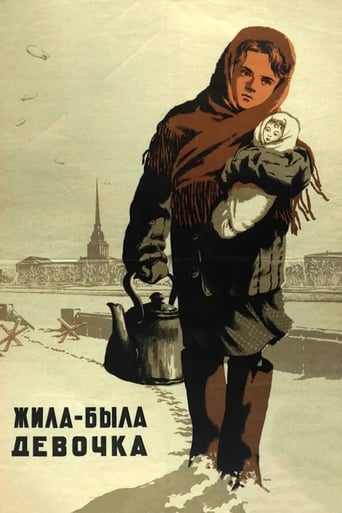
- Film debut in 'Once There Was a Girl' (1944)
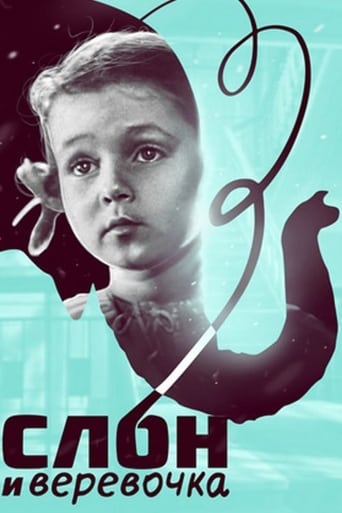
- Appeared in 'An Elephant and a Rope' (1945)
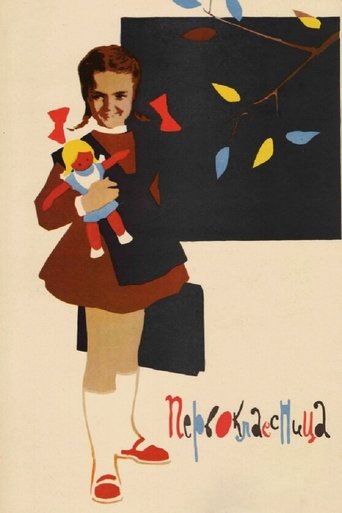
- Starred in 'First-Year Student' (1948)
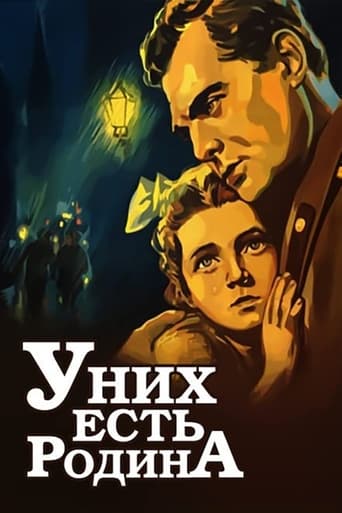
- Featured in 'They Have a Motherland' (1949)
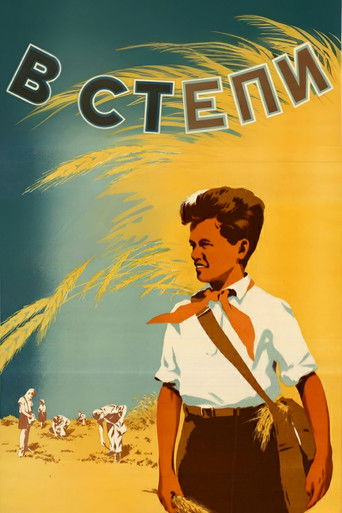
- Final film appearance in 'On the Steppe' (1950)
Best Known For
Must-See Films
Working Relationships
Studios
Why They Matter
Impact on Culture
Natalya Zashchipina contributed to the Soviet film industry during a significant period in its history, the immediate post-World War II years. Her appearances in films of this era helped shape the cultural landscape of Soviet cinema, which often reflected the values and narratives promoted by the state. While not a major star, her work as a supporting actress contributed to the ensemble casts that were characteristic of Soviet filmmaking of the period. Her films represent the artistic and political climate of mid-20th century Soviet Union, providing contemporary audiences with insight into the cultural production of that time.
Lasting Legacy
Natalya Zashchipina's legacy is preserved through her film work, which serves as historical documentation of Soviet cinema in the 1940s. Her performances, though not extensively documented in film history, contribute to the broader understanding of Soviet filmmaking during the Stalin era. The films she appeared in are part of the cultural heritage of Russian and Soviet cinema, representing the artistic styles and thematic concerns of their time. Her career, though brief, exemplifies the many supporting actors who formed the backbone of the Soviet film industry during this period.
Who They Inspired
As a supporting actress in Soviet cinema, Natalya Zashchipina's direct influence on other actors or filmmakers is not well-documented. However, like many actors of her generation, she contributed to the development of Soviet acting traditions and the continuation of theatrical techniques adapted for the screen. Her work in ensemble casts helped maintain the collaborative nature of Soviet film production, which emphasized collective achievement over individual stardom.
Off Screen
Very little information is available about Natalya Zashchipina's personal life. As a Soviet actress from the 1940s era, detailed biographical information was not always extensively documented or preserved, especially for supporting actors. Her personal relationships, family life, and circumstances after her acting career remain largely unknown to contemporary film historians.
Did You Know?
- Had a relatively brief acting career spanning only six years (1944-1950)
- Appeared exclusively in Soviet-produced films
- Her film debut came during World War II
- All her known films were produced during the Stalin era
- Her last film appearance coincided with the early Cold War period
- Like many Soviet actors of her era, detailed biographical information is scarce
- Her filmography reflects the transition from wartime to post-war Soviet cinema
Frequently Asked Questions
Who was Natalya Zashchipina?
Soviet actress active in the mid-1940s to early 1950s, appearing in several Soviet films including 'Once There Was a Girl' (1944) and 'On the Steppe' (1950). She worked as a supporting actress during a significant period in Soviet cinema history.
What films is Natalya Zashchipina best known for?
Titles linked here include Once There Was a Girl (1944), An Elephant and a Rope (1945).
When was Natalya Zashchipina born and when did she die?
Specific birth and death dates for Natalya Zashchipina are not available in historical records, which is common for supporting Soviet actors from this period. Her known acting active years covered from 1944 to 1950.
What awards did Natalya Zashchipina win?
There are no documented awards or nominations for Natalya Zashchipina in available film history records. As a supporting actress in Soviet cinema, formal recognition of her contributions may not have been extensively documented.
What was Natalya Zashchipina's acting style?
Detailed information about Natalya Zashchipina's specific acting style is not available in historical sources. As a Soviet actress of the 1940s, she likely worked within the theatrical traditions and techniques common to Soviet filmmaking of that era.