Aleksandr Ivanovsky
Director
Born: November 8, 1881 in Saint Petersburg, Russian Empire Died: January 15, 1968 Active: 1924-1947 Birth Name: Aleksandr Viktorovich Ivanovsky
Films
4 films
About Aleksandr Ivanovsky
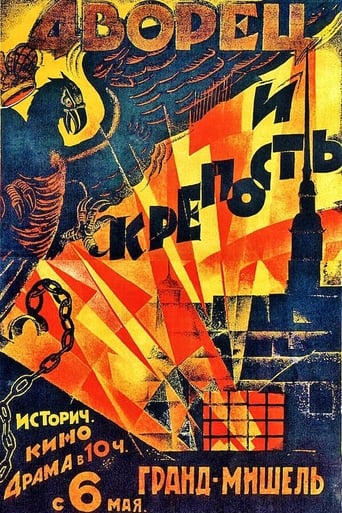
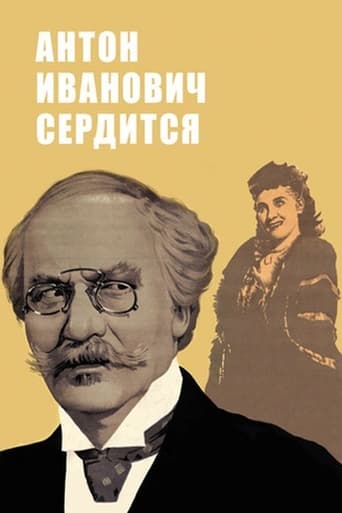
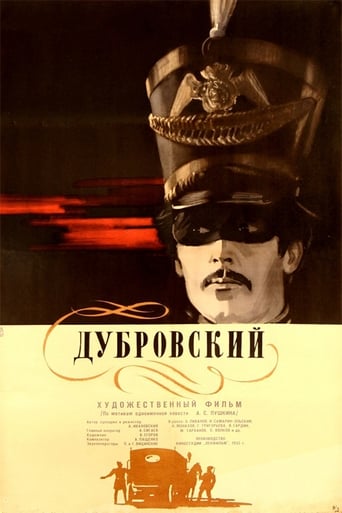
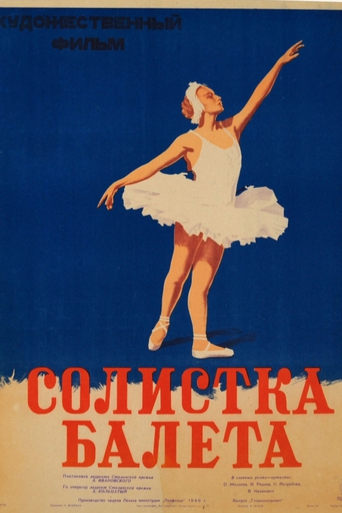
Soviet film director: the silent era through the Golden Age of Soviet cinema. Born in Saint Petersburg in 1881, he began his film career in the early 1920s after working in theater, bringing a strong theatrical sensibility to his cinematic work. Ivanovsky gained recognition with his 1924 silent film 'The Palace and the Fortress,' which showcased his ability to create compelling historical narratives. Throughout the 1930s and 1940s, he became known for his adaptations of classic Russian literature, most notably 'Dubrovskiy' (1936) based on Pushkin's novel. His versatility as a director was evident in his successful transition to sound films and his work across multiple genres, from historical dramas to comedies like 'Anton Ivanovich Gets Angry' (1941). Ivanovsky's later career included the acclaimed 'Ballerina' (1947), which demonstrated his continued relevance in post-war Soviet cinema. He remained active in the film industry until his death in 1968, leaving behind a legacy as one of Soviet cinema's most respected directors.
The Craft
Behind the Camera
Ivanovsky's directing style combined classical Russian theatrical traditions with innovative cinematic techniques, emphasizing strong narrative structure and character development. He was particularly skilled at adapting literary works to the screen while maintaining their artistic integrity and emotional depth. His approach to visual storytelling was marked by careful composition and a keen eye for period detail, especially in his historical films. Ivanovsky demonstrated remarkable versatility, moving seamlessly between dramatic epics and light comedies while maintaining a consistent artistic vision. His films often featured elaborate set designs and costumes that reflected his background in theatrical production.
Milestones
- Directed 'The Palace and the Fortress' (1924), his breakthrough silent film
- Created acclaimed adaptation 'Dubrovskiy' (1936) based on Pushkin's work
- Successfully transitioned from silent to sound films
- Directed popular comedy 'Anton Ivanovich Gets Angry' (1941)
- Completed post-war masterpiece 'Ballerina' (1947)
- Received multiple Soviet state honors for cinematic contributions
Best Known For
Must-See Films
Accolades
Won
- Order of the Red Banner of Labour (1944)
- Stalin Prize (1948) for 'Ballerina'
- Honored Artist of the RSFSR (1939)
- People's Artist of the RSFSR (1957)
Special Recognition
- Order of Lenin (1951)
- Order of the Badge of Honour (1939)
- Multiple medals for contributions to Soviet cinema
Working Relationships
Worked Often With
Studios
Why They Matter
Impact on Culture
Aleksandr Ivanovsky played a significant role in shaping Soviet cinema during its formative decades, particularly through his successful adaptations of Russian literary classics. His films helped establish the tradition of literary adaptation in Soviet cinema, influencing generations of filmmakers who followed. Ivanovsky's work contributed to the development of a distinctly Soviet cinematic language that balanced artistic merit with ideological requirements. His historical films, especially 'Dubrovskiy,' became cultural touchstones that introduced classic Russian literature to mass audiences through the medium of film. The director's ability to work across genres demonstrated the versatility and sophistication that Soviet cinema could achieve during the Stalin era.
Lasting Legacy
Aleksandr Ivanovsky's legacy endures through his influential body of work that bridged the silent and sound eras of Soviet cinema. His films remain important examples of how classical Russian literature could be successfully adapted for the screen while maintaining artistic integrity. Ivanovsky's contributions helped establish Lenfilm as one of the Soviet Union's most prestigious film studios, setting standards for quality and cultural significance. His approach to filmmaking, which combined theatrical discipline with cinematic innovation, influenced subsequent generations of Soviet directors. Today, his films are studied as important examples of Soviet cinema's golden age and continue to be screened at retrospectives and film festivals dedicated to classic Russian cinema.
Who They Inspired
Ivanovsky influenced Soviet cinema through his successful template for literary adaptation, showing how classic works could be made accessible to mass audiences without sacrificing their artistic value. His work in multiple genres demonstrated that Soviet directors could achieve excellence in both serious dramatic works and popular entertainment. The director's emphasis on strong narrative structure and character development became a model for other filmmakers working within the constraints of the Soviet system. His success in transitioning from silent to sound films provided a roadmap for other directors facing similar technological and artistic challenges. Ivanovsky's films continue to be referenced and studied by film scholars examining the development of national cinema traditions.
Off Screen
Aleksandr Ivanovsky maintained a relatively private personal life, with most public attention focused on his professional achievements. He was deeply connected to the cultural life of Leningrad (now St. Petersburg) throughout his career, remaining in the city even during the difficult years of World War II. Ivanovsky was known among colleagues as a dedicated professional who took great pride in contributing to Soviet cultural development. His personal philosophy emphasized the importance of cinema as both entertainment and educational tool, reflecting the values of his era. He continued working and mentoring young filmmakers well into his later years, maintaining his passion for the art form until his death.
Education
Graduated from Saint Petersburg State University with background in literature and theater studies, received additional training in early Soviet film institutes
Family
- Information not publicly available
Did You Know?
- One of the few Soviet directors to successfully maintain a career from the silent era through the Stalin period
- His film 'Dubrovskiy' was
- Worked extensively with actor Nikolai Cherkasov, who later became famous for his roles in Eisenstein's films
- Survived the Siege of Leningrad during World War II while continuing his film work
- His comedy 'Anton Ivanovich Gets Angry' was unusual for its time as it focused on everyday Soviet life rather than epic historical themes
- Received the Stalin Prize, one of the highest honors in the Soviet Union, for his film 'Ballerina'
- Was among the first generation of Soviet directors to receive formal training in both theater and cinema
- His films were often used in Soviet film schools as examples of successful literary adaptation
- Maintained a working relationship with Lenfilm studio for over two decades
- His background in theater influenced his distinctive approach to actor direction and staging
In Their Own Words
Cinema is not just entertainment, it is a powerful tool for education and cultural enlightenment
To adapt a classic work for the screen, one must understand both the soul of the literature and the language of cinema
The greatest challenge in filmmaking is finding the balance between artistic vision and audience understanding
Every film should teach something while it entertains, otherwise it has failed its purpose
Frequently Asked Questions
Who was Aleksandr Ivanovsky?
Soviet on YTB.my. He worked primarily at Lenfilm studio and was recognized as one of Soviet cinema's most respected directors during the Stalin era.
What films is Aleksandr Ivanovsky best known for?
Titles linked here include The Palace and the Fortress (1924), Dubrovskiy (1936).
When was Aleksandr Ivanovsky born and when did he die?
Born November 8, 1881; died January 15, 1968.
What awards did Aleksandr Ivanovsky win?
Ivanovsky received numerous Soviet honors including the Order of the Red Banner of Labour (1944), the prestigious Stalin Prize (1948) for 'Ballerina,' the title of Honored Artist of the RSFSR (1939), and People's Artist of the RSFSR (1957). He also received the Order of Lenin and the Order of the Badge of Honour for his contributions to cinema.
What was Aleksandr Ivanovsky's directing style?
Ivanovsky's directing style combined classical Russian theatrical traditions with innovative cinematic techniques, emphasizing strong narrative structure and character development. He was particularly skilled at literary adaptations while maintaining artistic integrity, and his films featured careful composition, period detail, and elaborate production design reflecting his theatrical background.