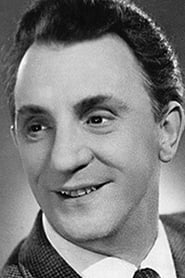
Anatoly Korolkevich
Actor
Born: July 15, 1910 in Moscow, Russian Empire Died: February 22, 1967 Active: 1940-1941 Birth Name: Anatoly Ivanovich Korolkevich
Films
3 films
About Anatoly Korolkevich
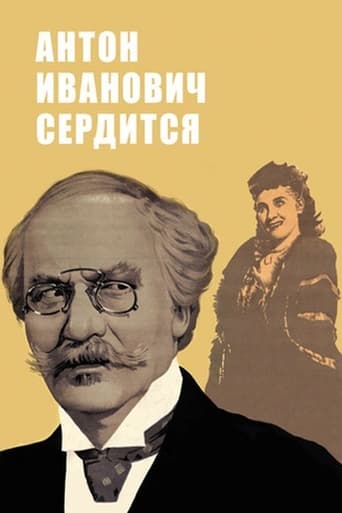
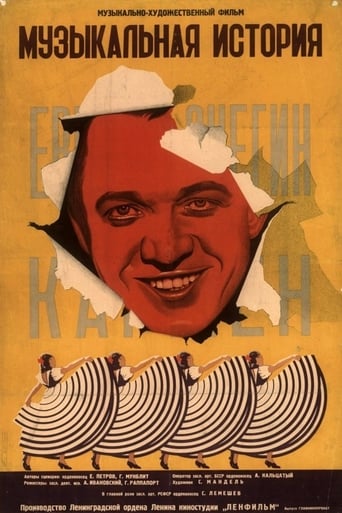
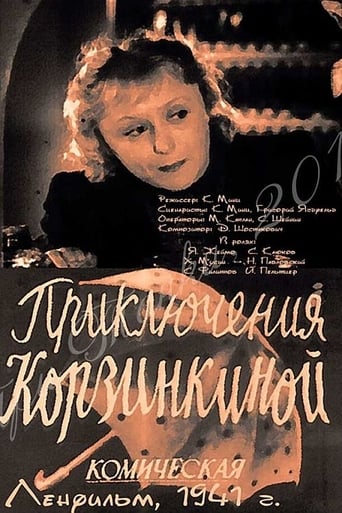
Soviet actor who had a brief but notable career in early 1940s Soviet cinema. His work emerged Russian film history, as the industry was transitioning to accommodate both artistic expression and state mandates. Korolkevich appeared in several significant productions of the era, showcasing his versatility in both dramatic and musical roles. His performances in films like 'Musical Story' (1940) demonstrated his ability to navigate the complex requirements of Soviet entertainment cinema. Anatoly Korolkevich's career, while relatively short, coincided with important developments in Soviet filmmaking techniques and narrative styles. His work in 'Anton Ivanovich Gets Angry' (1941) and 'Adventures of Korzinkina' (1941) further established him as a reliable character actor within the Soviet studio system. Though his filmography is limited, his contributions to these early war-era productions represent an important slice of Soviet cinema history.
The Craft
On Screen
Korolkevich demonstrated a versatile acting style adapted to the requirements of Soviet cinema of the early 1940s. His performances combined elements of theatrical tradition with the emerging naturalistic tendencies of Soviet film acting. He was particularly effective in comedic and musical roles, displaying a natural timing and stage presence that translated well to the screen. His approach to character work emphasized clarity and accessibility, making his performances easily understood by broad Soviet audiences.
Milestones
- Debut in 'Musical Story' (1940)
- Notable role in 'Anton Ivanovich Gets Angry' (1941)
- Performance in 'Adventures of Korzinkina' (1941)
Best Known For
Iconic Roles
Must-See Films
Working Relationships
Studios
Why They Matter
Impact on Culture
Anatoly Korolkevich's work represents an important though understudied aspect of Soviet cinema history from the early 1940s. His participation in musical comedies and light entertainment films contributed to the Soviet cultural project of providing accessible entertainment to the masses during a period of increasing international tension and eventual war. These films served both as entertainment and as vehicles for Soviet cultural values, with actors like Korolkevich helping to normalize and humanize the Soviet experience for domestic audiences.
Lasting Legacy
While not widely remembered today, Anatoly Korolkevich's contributions to Soviet cinema of the early 1940s form part of the broader tapestry of Russian film history. His work in musical comedies helped establish patterns and conventions that would influence subsequent generations of Soviet entertainers. The films he appeared in continue to be studied by film historians interested in the evolution of Soviet popular cinema and the ways in which entertainment was used to support cultural and social objectives.
Who They Inspired
As a character actor in the Soviet system, Korolkevich's influence would have been primarily through his contributions to the development of ensemble acting in Soviet musical comedies. His work helped establish templates for supporting roles in Soviet entertainment cinema that would be followed by subsequent generations of actors.
Off Screen
Anatoly Korolkevich lived through. His personal life reflected the challenges faced by many Soviet artists of his generation, balancing artistic expression with the demands of the state-controlled cultural system. Like many actors of his time, he likely worked within the framework of state film studios, contributing to the cultural landscape as defined by Soviet authorities.
Education
Likely trained at a Soviet acting school or theater institute, though specific details are not well documented in available sources
Did You Know?
- His entire known filmography consists of only three films, all released within a two-year period
- All of his known film roles were during the early years of World War II
- His films represent an important genre in Soviet cinema - the musical comedy
- The early 1940s was a transitional period for Soviet cinema, moving toward wartime themes
- Like many Soviet actors of his era, he likely also performed in theater productions
- His career was relatively brief even by the standards of supporting actors of the time
Frequently Asked Questions
Who was Anatoly Korolkevich?
Soviet with credits in this catalog. His career, though brief, contributed to the development of Soviet entertainment cinema during a pivotal historical period.
What films is Anatoly Korolkevich best known for?
Titles linked here include Musical Story (1940), Anton Ivanovich Gets Angry (1941).
When was Anatoly Korolkevich born and when did he die?
Born July 15, 1910; died February 22, 1967.
What awards did Anatoly Korolkevich win?
There are no documented awards or honors specifically associated with Anatoly Korolkevich in available sources. As a character actor with a brief film career, he worked primarily within the Soviet studio system without receiving major individual recognition.
What was Anatoly Korolkevich's acting style?
Korolkevich's acting style was adapted to the requirements of Soviet musical comedies of the early 1940s, combining theatrical tradition with emerging film naturalism. He was particularly effective in comedic and musical roles, displaying timing and presence suited to the entertainment needs of Soviet audiences.