Films
1 film
About Tamara Glebova
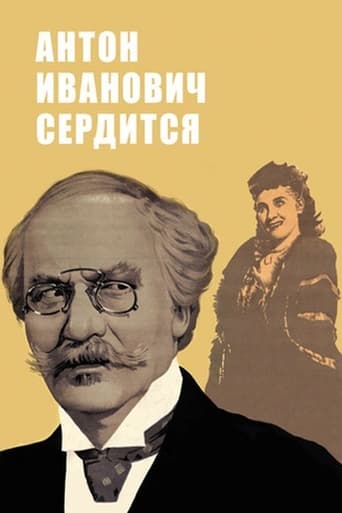
Soviet actress who had a brief but notable appearance in classic Soviet cinema during the early 1940s. Her most significant role was in the 1941 comedy film 'Anton Ivanovich Gets Angry' (Russian: 'Антон Иванович сердится'), directed by Alexander Ivanovsky. The film was one of the notable Soviet comedies produced just before World War II disrupted the Soviet film industry. Glebova's performance, while not widely documented in mainstream film histories, contributed to the ensemble cast that brought this satirical tale to life. Her career appears to have been concentrated primarily around this single major film, which was released Soviet history. The film itself was a social satire focusing on the relationship between an old music teacher and his students, with Glebova playing a supporting role in this ensemble piece. Unfortunately, detailed documentation about her broader career trajectory or other potential film work remains scarce in available historical records.
The Craft
Milestones
- Appeared in the Soviet comedy 'Anton Ivanovich Gets Angry' (1941)
- Participated in pre-war Soviet cinema during its golden age of comedy
Best Known For
Iconic Roles
Must-See Films
Working Relationships
Worked Often With
Studios
Why They Matter
Impact on Culture
Tamara Glebova's contribution to Soviet cinema, while not extensively documented, represents the collective effort of ensemble actors who helped create the golden age of Soviet comedy in the late 1930s and early 1940s. Her appearance in 'Anton Ivanovich Gets Angry' places her within the tradition of character actors who provided essential support to the leading performers in Soviet satirical films. These ensemble comedies served as important social commentary and entertainment during a period of significant political and social change in the Soviet Union.
Lasting Legacy
Tamara Glebova's legacy is preserved primarily through her participation in 'Anton Ivanovich Gets Angry,' a film that remains a significant example of pre-war Soviet comedy cinema. While she may not be widely remembered by name, her contribution to this important cultural artifact ensures her place in the history of Soviet film. The film itself continues to be studied by cinema historians as an example of the sophisticated comedic storytelling that emerged in Soviet cinema during this period.
Who They Inspired
As a supporting actress in Soviet cinema of the early 1940s, Tamara Glebova's direct influence on subsequent generations of performers is difficult to trace due to limited documentation of her career and methods. However, her work exemplifies the ensemble acting approach that characterized many successful Soviet comedies of the era, where supporting actors played crucial roles in creating the rich social tapestries that defined these films.
Off Screen
Very little documented information is available about Tamara Glebova's personal life, which suggests she may have been a character actress or had a very brief film career. The scarcity of biographical details is not uncommon for supporting actors in Soviet cinema of this era, particularly those whose careers were cut short by the disruptions of World War II.
Did You Know?
- 'Anton Ivanovich Gets Angry' was released just months before the German invasion of the Soviet Union in June 1941
- The film was directed by Alexander Ivanovsky, one of the prominent Soviet comedy directors of the era
- The movie was a satirical take on the relationship between an old music teacher and his students
- Soviet comedies of this period often served as subtle social commentary while maintaining entertainment value
- Many actors from this era had their careers interrupted or redirected due to World War II
- The film was produced by Lenfilm, one of the major Soviet film studios based in Leningrad
Frequently Asked Questions
Who was Tamara Glebova?
Soviet actress active in the early 1940s, best known for her appearance in the 1941 comedy film 'Anton Ivanovich Gets Angry.' She appears to have had a brief film career concentrated around this single major production during the pre-war period of Soviet cinema.
What films is Tamara Glebova best known for?
Titles linked here include Anton Ivanovich Gets Angry (1941).
When was Tamara Glebova born and when did she die?
Specific birth and death dates for Tamara Glebova are not well documented in available historical records, which is not uncommon for supporting actors in Soviet cinema of this era whose careers may have been brief or interrupted by historical events.
What awards did Tamara Glebova win?
There are no documented awards or major recognitions specifically attributed to Tamara Glebova in available film history records, which suggests she was likely a character or supporting actress rather than a leading performer who would typically receive such honors.
What was Tamara Glebova's acting style?
While specific details about Tamara Glebova's acting style are not extensively documented, her participation in a Soviet comedy suggests she was part of the ensemble tradition that characterized Soviet film comedy of the early 1940s, where supporting actors played crucial roles in creating the social fabric of the stories.