
Nikolai Plotnikov
Actor
Born: December 15, 1903 in Moscow, Russian Empire Died: October 15, 1944 Active: 1936-1944 Birth Name: Nikolai Ivanovich Plotnikov
Films
6 films
About Nikolai Plotnikov
Soviet actor who emerged during the height of Stalinist cinema in the 1930s, appearing in several significant productions of the era. His career, though relatively brief spanning from 1936 to 1944, coincided with a golden period of Soviet filmmaking that emphasized socialist realism and heroic narratives. Plotnikov worked with some of the most prominent Soviet directors of his time, including Mark Donskoy in the acclaimed Gorky trilogy. His performances often embodied the ideal Soviet citizen, reflecting the ideological requirements of the period. Despite his contributions to several important films, detailed information about his life and career remains limited in Western sources. His filmography, while not extensive, includes works that have become classics of Soviet cinema. Plotnikov's career was likely interrupted or ended by World War II, as was common for many Soviet artists of his generation.
The Craft
On Screen
Plotnikov embodied the socialist realist acting style prevalent in Soviet cinema of the 1930s, characterized by clear, direct performances that emphasized ideological clarity and emotional accessibility. His approach was naturalistic yet purposeful, avoiding the theatrical excesses of earlier Russian cinema while maintaining a certain heroic stature appropriate to the era's cinematic requirements.
Milestones
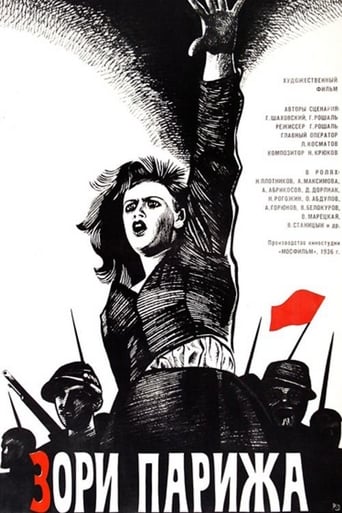
- Breakthrough role in The Paris Commune (1936)
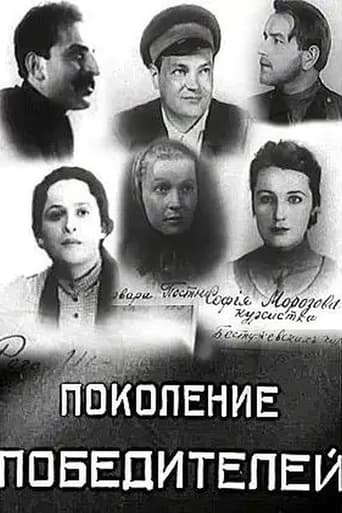
- Notable performance in Generation of Victors (1936)
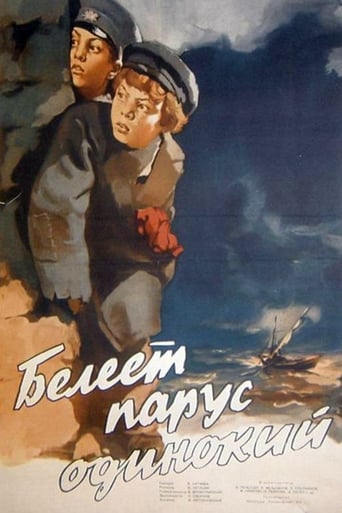
- Memorable role in The Lonely White Sail (1937)
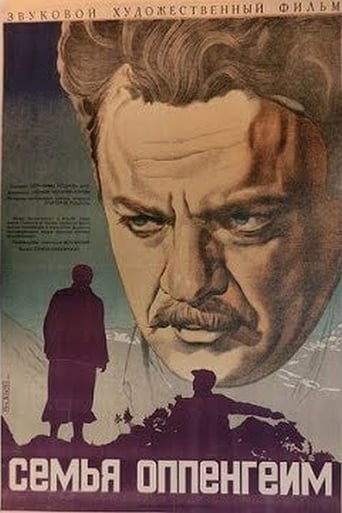
- Significant part in The Oppenheim Family (1938)
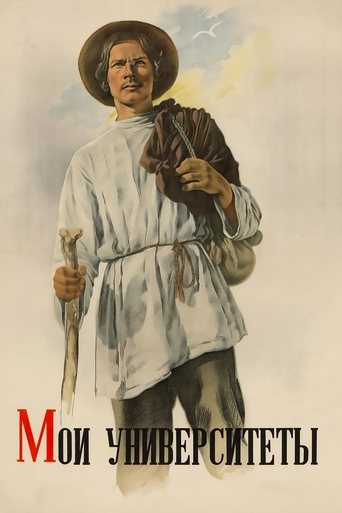
- Featured role in acclaimed My Universities (1940)
Best Known For
Iconic Roles
Must-See Films
Accolades
Special Recognition
- Honored Artist of the RSFSR (posthumously recognized)
Working Relationships
Worked Often With
Studios
Why They Matter
Impact on Culture
Nikolai Plotnikov contributed to the development of Soviet cinema during its formative sound period, participating in films that helped establish the visual and narrative language of socialist realism. His work in productions like 'My Universities' helped bring classic Russian literature to the screen in ways that served Soviet ideological goals. While not a major star, his contributions to ensemble casts in historically significant films represent the collective effort that defined Soviet cinema of this era.
Lasting Legacy
Plotnikov's legacy lies primarily in his participation in several films that have become classics of Soviet cinema, particularly those adaptations of literary works that continue to be studied for their historical and artistic significance. His performances, while not extensively documented in Western film scholarship, represent the typical Soviet actor of his generation - dedicated, ideologically committed, and serving the broader goals of socialist cultural production.
Who They Inspired
As a character actor rather than a leading man, Plotnikov's influence was likely more subtle, contributing to the overall quality and authenticity of the ensemble performances in Soviet films. His work helped establish the supporting character archetypes that would appear throughout Soviet cinema for decades, particularly in films dealing with revolutionary themes and working-class heroes.
Off Screen
Limited information is available about Plotnikov's personal life, which was common for many Soviet actors of his era whose public personas were often subsumed by their roles as cultural workers serving the state. His career coincided with a particularly repressive period in Soviet history, which may have affected both his professional opportunities and personal documentation.
Education
Likely trained at a Soviet acting school or studio, though specific educational details are not well-documented in available sources
Family
- Information not available in public records
Did You Know?
- His career was cut short by World War II, which disrupted many Soviet film productions
- Appeared in 'My Universities,' the third film in Mark Donskoy's acclaimed Gorky trilogy
- Worked during the height of Stalin's purges, a dangerous time for Soviet artists
- His filmography represents key examples of socialist realist cinema
- Many of his films were adaptations of classic Russian literature
- His death in 1944 suggests he may have died during the war, though circumstances are unclear
- Like many Soviet actors of his era, detailed biographical information remains scarce in Western sources
- His films were often shown internationally as examples of Soviet cultural achievement
In Their Own Words
No documented quotes are available in English-language sources
Frequently Asked Questions
Who was Nikolai Plotnikov?
Screen credits include several notable films of the socialist realist period, including 'My Universities' and 'The Paris Commune.'
What films is Nikolai Plotnikov best known for?
Titles linked here include My Universities (1940), The Paris Commune (1936).
When was Nikolai Plotnikov born and when did he die?
Born December 15, 1903; died October 15, 1944.
What awards did Nikolai Plotnikov win?
While specific awards during his lifetime are not well-documented, he was posthumously recognized as an Honored Artist of the RSFSR for his contributions to Soviet cinema.
What was Nikolai Plotnikov's acting style?
Plotnikov embodied the socialist realist acting style of 1930s Soviet cinema, featuring clear, direct performances that emphasized ideological clarity while maintaining naturalistic qualities appropriate to the era's cinematic requirements.