
Lermontov
"Lermontov’s brief flame after Pushkin"
Keys: Space play/pause · ←/→ 10s · F fullscreen · M mute · </> speed
About this film
Chronicle of the life of Russian poet Michail Lermontov, from the final days of Alexandr Pushkin to the fatal destiny of the poet himself.
Cast & crew
More films like this
More Drama films
View all →







More about this film
About the production
Release date1943-03-22
ProductionMosfilm Studios
Filmed inMoscow, Soviet Union
Filmed during World War II, the production faced significant challenges including resource shortages and the need to maintain morale during the siege of Moscow. The film was part of the Soviet effort to celebrate Russian cultural heritage during the war. Director Albert Gendelshtein, primarily known as a screenwriter, made this as one of his few directorial efforts. The production utilized elaborate period costumes and sets despite wartime limitations.
Themes
Artistic genius versus societal conformityThe tragic fate of the poet in Russian societyPatriotism and national identityThe conflict between individual freedom and authoritarian powerThe redemptive power of art
Themes & topics
poetduelexileromanticismRussian literaturetragedybiography19th centuryPushkinCaucasusaristocracymilitary service
Historical background
Lermontov appeared in 1943, when wartime and immediate postwar filmmaking shaped how movies were financed, distributed, and discussed. Audiences of the day encountered the work amid shifting tastes in acting, pacing, and spectacle. Its focus on chronicle of the life of russian poet michail lermontov, from the final days of alexandr pushkin to the fatal destiny of the poet himself mirrors themes circulating in popular culture of that moment.
Why this film matters
Lermontov (1943) belongs to the wider archive of world cinema, documenting chronicle of the life of russian poet michail. Archivists and historians value such titles for what they reveal about craft, genre, and audience expectations. Restorations and festival screenings keep the work visible to viewers far beyond its first run.
Making of
The production of 'Lermontov' faced extraordinary challenges during the height of World War II. Filming took place in Moscow as the city was under threat of German bombardment, with cast and crew often taking shelter during air raids. The Mosfilm studios, where the film was shot, had been partially evacuated but continued limited production. Director Albert Gendelshtein, working from a screenplay he co-wrote, had to contend with severe material shortages, including rationed film stock and limited access to costumes and props. The film's sets were constructed using whatever materials were available, with some period costumes repurposed from pre-war productions. Despite these constraints, the production team managed to create elaborate recreations of 19th-century Russian high society. The cast, including lead actor Aleksey Konsovskiy, reportedly underwent extensive preparation, studying Lermontov's poetry and historical accounts to authentically portray the poet's complex character. The film's cinematographer had to work with limited lighting equipment due to wartime restrictions, resulting in a distinctive visual style that emphasized shadows and contrast.
What critics said
Press coverage from 1943 is fragmentary for many titles of this vintage; surviving notices for Lermontov tend to stress novelty, star power, or topical appeal. Later writing places the picture within its national and generic context, weighing both period conventions and moments that still land for modern viewers. Streaming and disc releases have revived discussion among classic-film audiences.
Did you know?
- This was one of the few Soviet biographical films about poets produced during WWII, when most cinema focused on contemporary war themes
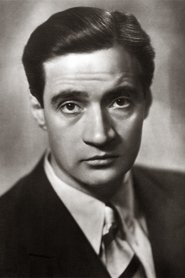
- Aleksey Konsovskiy, who played Lermontov, was only 26 years old at the time of filming, close to the age Lermontov was when he died
- The film's release coincided with the 102nd anniversary of Lermontov's death
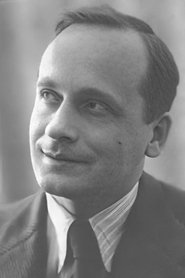
- Director Albert Gendelshtein was primarily known as a screenwriter and this was his directorial debut
- The film was shot at Mosfilm Studios while many of the facility's resources were dedicated to war propaganda films
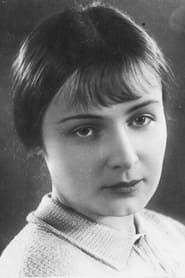
- Nina Shaternikova, who appears in the film, was a prominent stage actress at the Moscow Art Theatre
- The film's production began in 1941 but was interrupted by the German invasion of the Soviet Union
- The movie was briefly banned in 1946 during Zhdanov's cultural crackdown but later rehabilitated
- The film's portrayal of Lermontov's duel was carefully choreographed to avoid glorifying violence while maintaining historical accuracy
Awards & recognition
- Stalin Prize, Second Class (1943)
Visual style
The cinematography by Boris Volchek employed dramatic chiaroscuro effects that emphasized the romantic and tragic elements of Lermontov's story. Given the wartime limitations on lighting equipment, Volchek developed innovative techniques using available light sources to create atmospheric interiors and moody exteriors. The film's visual style combined realistic depictions of 19th-century Russian settings with expressionistic lighting that reflected the poet's emotional state. The camera work featured careful composition that drew attention to the hierarchical nature of Russian society, often positioning characters within architectural frames that emphasized their social positions. The duel sequence was particularly notable for its dynamic camera movement and tension-building techniques, achieved despite the technical constraints of the period.
Innovations
The film demonstrated remarkable technical achievements given its wartime production constraints. The special effects team created convincing period settings using limited resources, including miniature work for establishing shots of 19th-century Moscow. The makeup department developed techniques to age actors convincingly throughout the film's timeline. The sound recording team overcame significant challenges to capture clear dialogue and music during a time of frequent power interruptions. The film's editing, particularly in the duel sequence, created tension and emotional impact despite the limitations of available equipment. The production also pioneered techniques for simulating candlelight and gaslight effects using available electrical equipment, contributing to the film's period atmosphere.
Music
The musical score was composed by Vano Muradeli, who incorporated themes from Russian romantic music of the 19th century. The soundtrack included musical settings of several of Lermontov's poems, arranged for the film by composer Nikolai Peyko. The music served both atmospheric and narrative functions, with leitmotifs associated with different characters and emotional states. The score made prominent use of Russian folk instruments alongside traditional orchestra, creating a sound that evoked the historical period while remaining accessible to contemporary audiences. The film's sound design was particularly challenged by wartime conditions, with the recording team having to work around air raid sirens and other disruptions. Despite these difficulties, the final soundtrack achieved a rich, layered quality that enhanced the film's emotional impact.
Famous quotes
The poet's death is not an ordinary death - it is the death of Russia's soul." (Opening narration)
In this land of slaves and tyrants, the poet must be either a martyr or a fool." (Lermontov)
Pushkin's blood calls for vengeance, and I am his voice in this dark time." (Lermontov after Pushkin's death)
My poetry is my weapon, and my conscience is my shield." (Lermontov)
Better to die for truth than to live in lies." (Lermontov before the duel)
Memorable scenes
- The opening sequence depicting the news of Pushkin's death spreading through Moscow society, with reactions ranging from genuine grief to political calculation
- Lermontov's passionate recitation of 'Death of the Poet' in a crowded salon, causing outrage among the aristocratic guests
- The exile scene where Lermontov travels to the Caucasus, with sweeping landscapes contrasted against his inner turmoil
- The tense duel sequence, carefully choreographed to show both the ritualistic nature of the confrontation and its tragic inevitability
- The final scene showing Lermontov's body being prepared for burial, with his poetry books scattered around him
What audiences thought
The film was well-received by Soviet audiences in 1943, who appreciated its departure from typical wartime fare and its celebration of Russian cultural greatness. Many viewers reportedly found emotional resonance in Lermontov's story during the nation's time of crisis. The film's portrayal of the poet's patriotism and sacrifice aligned with contemporary values while offering an escape into Russia's rich cultural past. Audience letters preserved in Soviet archives indicate that viewers particularly connected with the film's literary aspects and appreciated the opportunity to see one of Russia's great poets brought to life. The film ran successfully in Moscow and other major cities despite wartime conditions, with some theaters reporting sold-out shows. In the years following the war, the film continued to find audiences, particularly among students and literary enthusiasts.
Film connections
Influenced by
- Pushkin (1937 Soviet film)
- Great Citizen (1938 Soviet film)
- Lenin in 1918 (1939 Soviet film)
This film influenced
- Mussorgsky (1950)
- Rimsky-Korsakov (1952)
- Kompozitor Glinka (1952)
Film restoration
The film is preserved in the Gosfilmofond of Russia, the state film archive. A restored version was released in the 1970s, and further digital restoration was completed in 2015 as part of the Soviet cinema preservation project. The original negatives survived the war despite the evacuation of film archives from Moscow. The film is considered to be in good preservation condition with complete elements available.
Where to watch
- Available on Russian streaming platform Kinopoisk
- Included in the Mosfilm online collection
- Available on DVD in the Russian Classic Cinema series
- Occasionally screened at film festivals specializing in classic Soviet cinema
- Available through some university film archives and academic streaming services