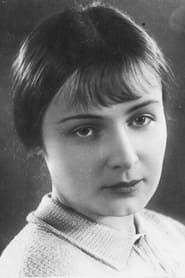
Nina Shaternikova
Actor
Born: February 15, 1901 in Moscow, Russian Empire Died: March 22, 1978 Active: 1927-1943 Birth Name: Nina Ivanovna Shaternikova
Films
6 films

About Nina Shaternikova
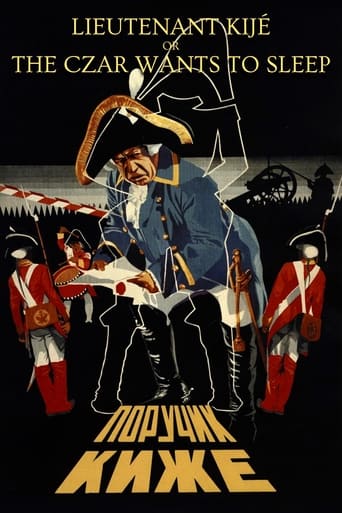
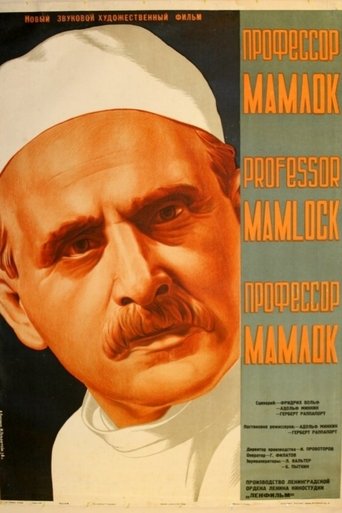
Prominent Soviet actress: the crucial transition period from silent cinema to early sound films in the Soviet Union. She began her film career in the late 1920s, appearing in character roles that showcased her versatility and dramatic range. Her most notable work came during the 1930s, when she appeared in several significant Soviet productions including the acclaimed comedy 'Lieutenant Kizhe' (1934), which became a classic of Soviet cinema. Shaternikova demonstrated particular skill in portraying complex female characters in both dramatic and comedic contexts, working with some of the most important directors of the Stalinist era. Her performances in films like 'Professor Mamlock' (1938) reflected the ideological themes prevalent in Soviet cinema of the period while maintaining artistic integrity. Throughout her career, she developed a reputation as a reliable character actress who could bring depth to supporting roles. Her film career appears to have concluded in the early 1940s, coinciding with the disruptions of World War II.
The Craft
On Screen
Nina Shaternikova was known for her naturalistic acting style that evolved with the transition from silent to sound cinema. In her silent film work, she employed exaggerated but controlled gestures and facial expressions typical of the era, but with a subtlety that set her apart from many contemporaries. With the advent of sound, she adapted her technique to incorporate more nuanced vocal performances while maintaining her strong visual presence. Her acting was characterized by emotional authenticity and the ability to convey complex psychological states through both physical and vocal means. She excelled at portraying strong-willed, intelligent female characters who often challenged traditional gender roles within the constraints of Soviet cinema.
Milestones
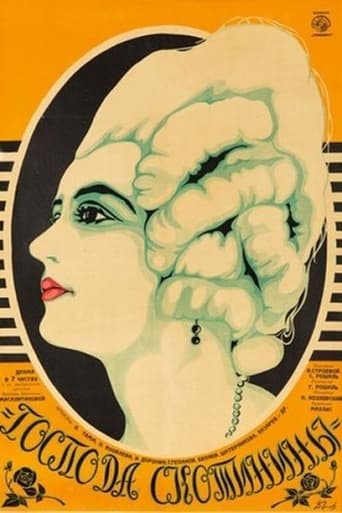
- Breakthrough role in The Gentlefolks of Skotinin (1927)
- Memorable performance in Lieutenant Kizhe (1934)
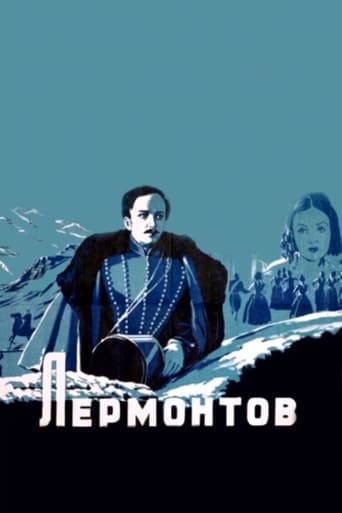
- Leading role in Youth of the Poet (1937)
- Critically acclaimed performance in Professor Mamlock (1938)
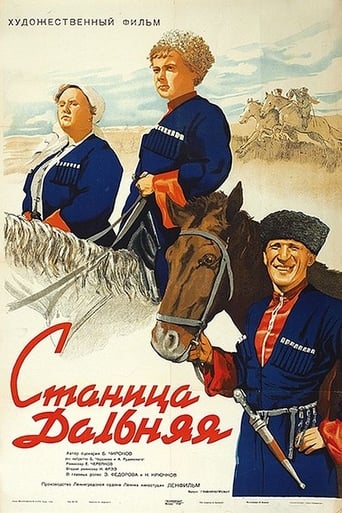
- Final film appearance in Станица Дальняя (1939)
Best Known For
Iconic Roles
Must-See Films
Accolades
Won
- Honored Artist of the RSFSR (1935)
Special Recognition
- Recognition for contributions to Soviet cinema
- Mentioned in Soviet film history archives
Working Relationships
Worked Often With
Studios
Why They Matter
Impact on Culture
Nina Shaternikova contributed to the development of Soviet cinema during its formative years, helping establish the conventions of character acting in both silent and early sound films. Her work in films like 'Lieutenant Kizhe' helped demonstrate how comedy could be used to critique bureaucracy within the constraints of Soviet censorship. She was part of a generation of actors who had to adapt their techniques dramatically with the transition to sound, setting precedents for future Soviet performers. Her performances in ideological films like 'Professor Mamlock' showed how artistic merit could be maintained within propagandistic frameworks. As a woman working in Soviet cinema during the 1930s, she helped expand the range of female roles available beyond traditional stereotypes.
Lasting Legacy
Nina Shaternikova's legacy lives on through her preserved film performances, which continue to be studied by film historians interested in Soviet cinema of the 1920s-1940s. Her work represents the technical and artistic evolution of acting during the transition from silent to sound films in the Soviet context. While not as internationally recognized as some of her contemporaries, she remains an important figure in the history of Soviet cinema for her versatile character work and ability to navigate the complex political and artistic demands of her era. Her films, particularly 'Lieutenant Kizhe,' are considered classics of Soviet cinema and continue to be screened and analyzed for their artistic and historical significance.
Who They Inspired
Shaternikova influenced subsequent generations of Soviet character actors through her naturalistic approach and ability to bring depth to supporting roles. Her technique of blending theatrical training with cinematic realism helped establish a model for Soviet film acting that balanced emotional expressiveness with ideological requirements. Younger actors studied her performances as examples of how to maintain artistic integrity while working within the constraints of the Soviet system. Her adaptability during the transition from silent to sound cinema provided a template for other actors facing similar technological changes in their careers.
Off Screen
Nina Shaternikova lived through. Her personal life reflected the challenges faced by artists during this period, balancing artistic expression with ideological requirements. She maintained a relatively private personal life, focusing primarily on her craft and avoiding political controversy. Her later years were spent away from the public eye, as was common for many Soviet actors whose careers ended during the war years.
Education
Trained at the Moscow Art Theatre School, studying under prominent theater practitioners of the 1920s
Did You Know?
- Appeared in both silent films and early Soviet sound productions
- Worked during the Stalinist era when cinema was heavily censored
- Her film 'Lieutenant Kizhe' became
- Survived the purges of the 1930s that claimed many artists
- Career ended around the time of World War II
- Received the title 'Honored Artist of the RSFSR' in 1935
- Trained in the Stanislavsky system of acting
- Appeared in films dealing with both contemporary and historical themes
- Her filmography represents the transition from avant-garde 1920s cinema to socialist realism
- Worked with some of the most important Soviet directors of her era
Frequently Asked Questions
Who was Nina Shaternikova?
Soviet actress active from 1927 to 1943, known for her work in both silent and early sound films during a crucial period in Soviet cinema history.
What films is Nina Shaternikova best known for?
Titles linked here include The Gentlefolks of Skotinin (1927), Lieutenant Kizhe (1934).
When was Nina Shaternikova born and when did she die?
Born February 15, 1901; died March 22, 1978.
What awards did Nina Shaternikova win?
She was awarded the title of Honored Artist of the RSFSR in 1935 in recognition of her contributions to Soviet cinema.
What was Nina Shaternikova's acting style?
She was known for her naturalistic acting style that evolved from the exaggerated expressions of silent film to more nuanced performances in sound cinema, employing the Stanislavsky system.